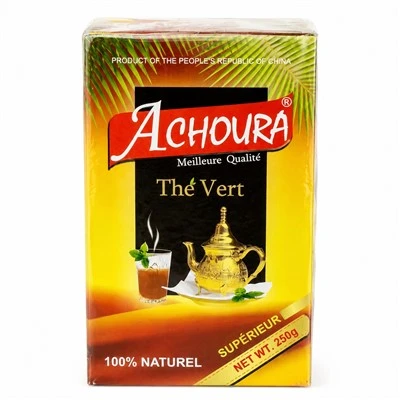
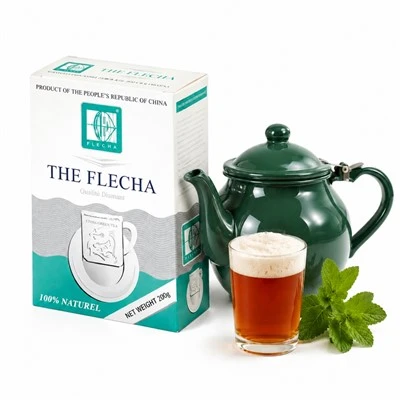
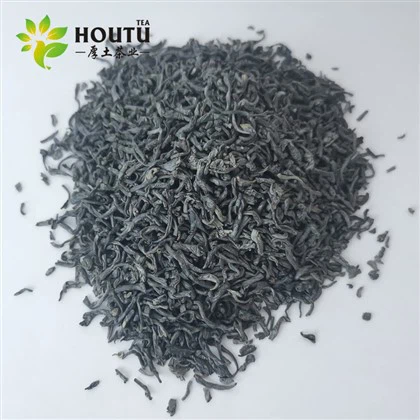
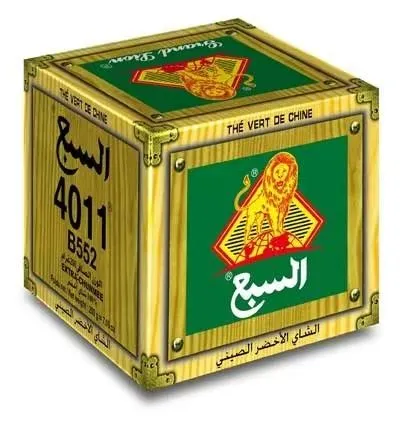
China Customs' 2026 guidance explains that compliance is built before the container is loaded-not added at the final shipping stage.
|
Two Registrations
Raw-material tea gardens and export food production enterprises.
|
Field to Factory
Traceability connects agricultural records with finished production.
|
Destination Rules
Export tea must meet importing-market or contract requirements.
|
What China Customs Reaffirmed
China Customs explained that tea exports involve food-safety registration at two important stages. Raw-material tea gardens used for export products must be registered, and the production enterprise processing or packing the export food must also complete the required registration.
The purpose is to create a traceable chain from agricultural production through factory processing. This allows pesticide use, field management, raw-material intake, production records and shipment information to be checked when necessary.

Why Registration Matters to Overseas Buyers
An overseas buyer normally sees the finished carton and inspection documents, but product reliability begins much earlier. If the raw tea cannot be traced or the factory lacks proper controls, the risk of residue problems, inconsistent quality and delayed customs clearance increases.
Registration does not replace product testing or buyer approval. It provides the foundation on which batch testing, reference samples and destination-specific documentation can be built.

Compliance Must Match the Destination Market
China's export food rules require the producer to ensure that the product meets the standards of the importing country or the agreed contract requirements. A tea acceptable in one market may need different residue testing, labelling or packaging documents for another market.
Buyers should communicate destination requirements before production begins. Late requests for a new certificate, test list or label change can delay shipment and increase cost.
Commercial Watchpoints
What to Monitor Next
Importers should monitor changes in destination-country residue limits, label rules and certificate requirements. Suppliers should keep registration, production and test records current so that new orders can move without avoidable compliance delays.