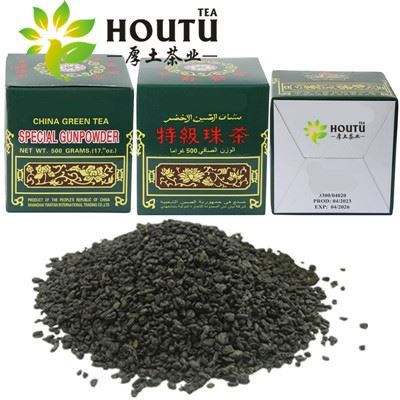
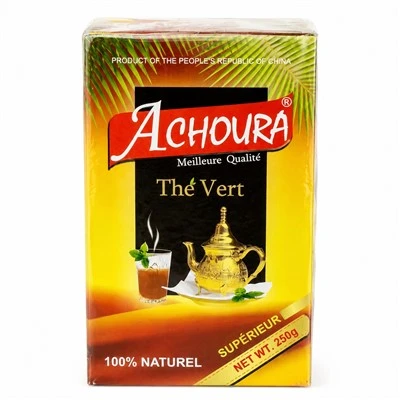
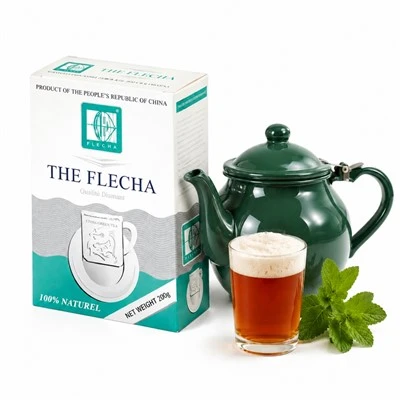
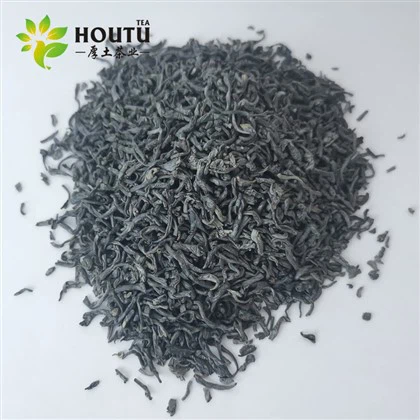
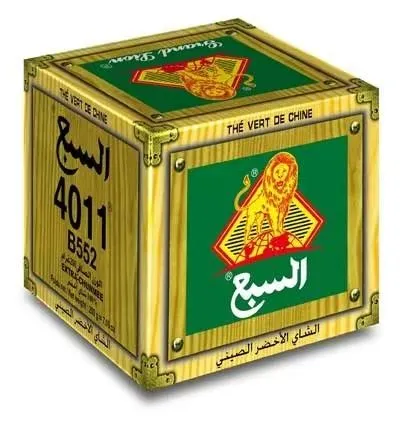
For West African retail packs, a small approved South Indian component may provide cost flexibility. Suppliers must still meet residue, moisture, screen, packing and consistency requirements.
The gap reflects different markets and quality structures, not an automatic arbitrage. Still, it helps explain why South Indian teas can price below northern teas even when their year-on-year auction trend is firm.
Procurement teams should test whether blend formulation can capture some regional cost difference without changing consumer experience. The exercise needs a controlled cup trial and dosage calculation, not only a dry-leaf price comparison.
- Run dosage-based blend trials
- Document maximum substitute percentage
- Require current residue compliance
- Review total landed cost per SKU
Market statistics should guide questions, timing and risk controls; they should not be copied into a contract as though they were live quotations. Grade, moisture, packing, inspection, payment, freight, duty and local delivery must be normalised before comparing suppliers.
Before approval, the buyer should save the offered specification, reference sample, laboratory scope, packing configuration and freight validity in one comparison record. This turns a news signal into an auditable purchase decision and prevents later changes from being mistaken for the original offer.
For specification matching, samples, private-label packing and shipment planning, contact Sophie at jessie@hoututea.com or WhatsApp +86 18888798057.