One small word carries traces of ports, caravans, merchants and centuries of contact.

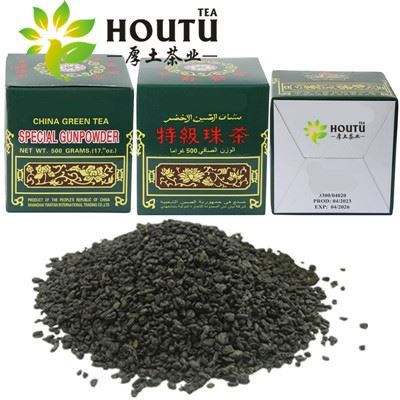
Image source: HOUTU TEA public image library
Two large families of words
Across much of the world, the everyday word for the drink resembles either tea or cha. Both ultimately come from Chinese language varieties, but they spread through different networks of contact.
Forms related to te, associated with southeastern coastal speech, often travelled through maritime trade to Dutch and other European merchants. Forms related to cha spread widely across East Asia and along overland routes into Central Asia, Persia and beyond.
| Word family | Examples | Typical historical connection |
|---|---|---|
| Tea / te | tea, thé, té, thee | Maritime contact with southeastern Chinese ports |
| Cha / chai | cha, chay, chai | Overland trade and contact with other Chinese-speaking regions |

Image source: Wikimedia Commons – The Pekingese Camel
A useful pattern, not a perfect rule
The map is memorable, but languages are not controlled experiments. A country can receive tea through several routes, borrow a word from a neighbour or use more than one name. The pattern reveals trade history without explaining every individual language.
Why it matters to tea exporters
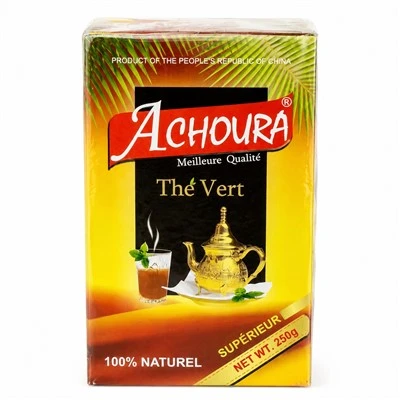
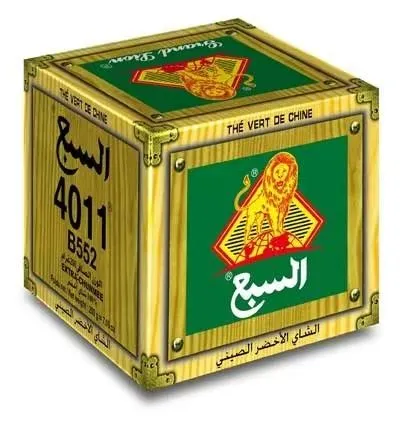
A product name that feels natural in one market may sound foreign in another. Understanding the local language of tea is a first step toward packaging and communication that customers recognise immediately.