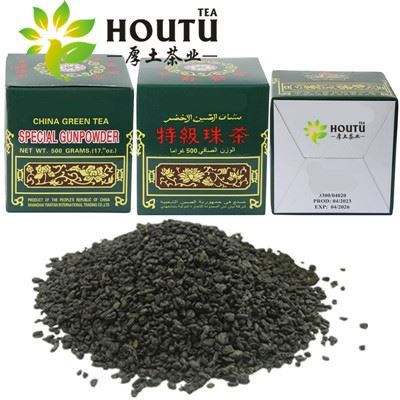
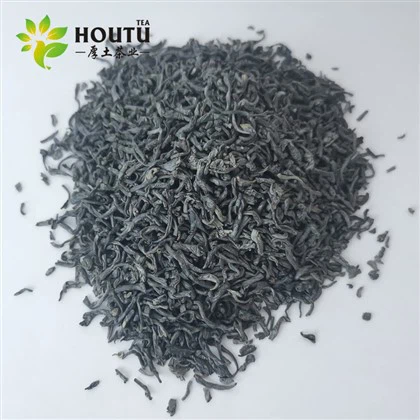
1. Fresh Leaf Picking
Select well-grown tea bushes, and only plump tender buds and young shoots are harvested, graded into single bud, one bud with one leaf, and one bud with two leaves. The optimal picking time is after morning dew evaporates completely. Leaf picking on rainy days is forbidden to avoid excessive moisture that causes tea deterioration. Gently pinch and place leaves during picking without squeezing or damaging the tender shoots, to keep the fresh leaves intact and fresh.

2. Spreading Fresh Leaves (Withering)
The picked fresh tea leaves are thinly and evenly spread on clean, ventilated bamboo trays, then placed in cool areas without direct sunlight for static airing. The airing duration is adjusted according to ambient temperature, normally ranging from 4 to 10 hours. This step removes excess surface moisture on leaves, reduces the strong grassy odor, and softens the tea texture. It ensures even heat absorption in the subsequent fixation process and lays a solid foundation for rich tea aroma.
3. Fixation (the core procedure determining green tea's color and taste)
High temperature is applied to thoroughly deactivate the activity of polyphenol oxidase inside tea leaves, completely stopping fermentation that would turn tea red, and locking the natural emerald green hue. Meanwhile, harsh green raw odors are driven off, and the tea's inherent delicate fragrance is stimulated.
• Pan-fried Fixation: Heat an iron wok to high temperature, add fresh leaves and stir continuously at a fast pace. Multiple techniques including flipping, shaking and tossing are used to guarantee uniform heating. The leaves are taken out once they turn dim green, feel soft and release fresh aroma. This method is adopted for most green teas on the market.
• Steam Fixation: Fresh leaves are fumigated with high-temperature steam for mild, even heating. Tea processed this way features superior brisk taste and a distinctive fresh seaweed-like fragrance.
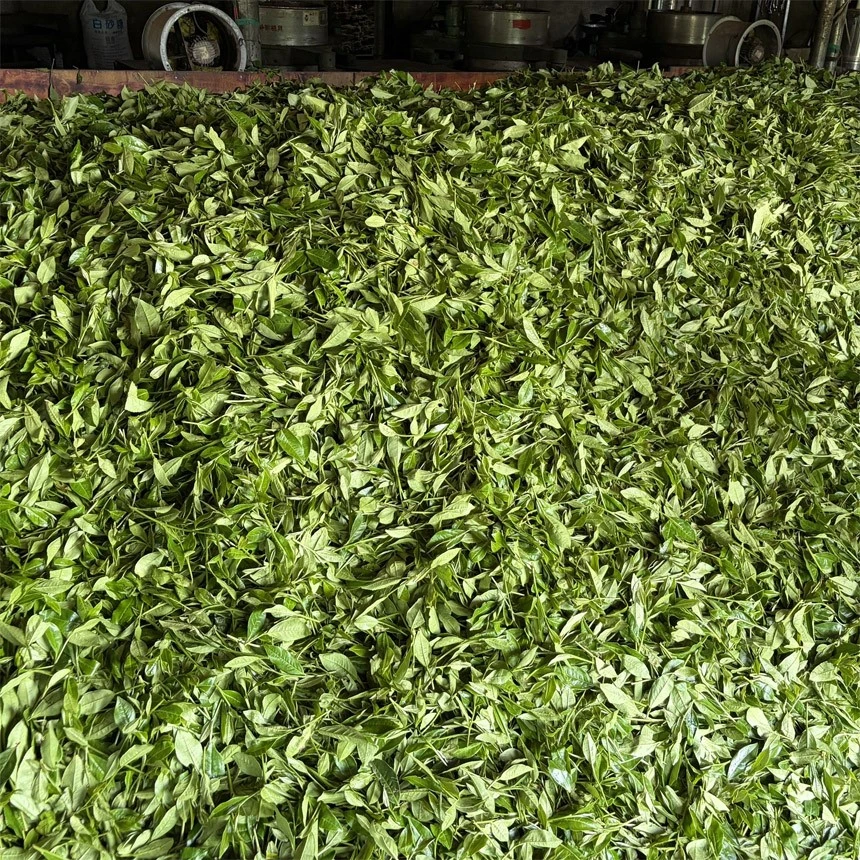
4. Rolling
Right after fixation, roll the tea leaves immediately while they still retain residual heat. Rolling is divided into hand rolling and machine rolling. Gently knead the leaves following their natural vein texture, with pressure rising gradually then easing off. Slight tea sap inside the leaves is squeezed out and attached to the leaf surface. This step tightens the tea strips to form a compact, attractive shape, and evenly distributes the internal substances of tea, delivering richer, well-balanced flavor when brewed.


5. Drying
Dehydration and drying are carried out after rolling to fully stabilize the shape and aroma of tea leaves, lower the water content and extend the storage life.
• Pan drying: The tea is slowly stir-fried over low heat to evaporate moisture while shaping the leaves. This process further concentrates mellow aromas such as chestnut fragrance and bean flavor.
• Baking drying: Constant-temperature baking equipment is adopted for hot-air drying. The steady heating well preserves the elegant fresh scent of tea and delivers a clean, mild taste. Stop drying when the tea becomes crisp and breaks easily with a light pinch.

6. Sorting & Refining
Once dried, the tea is screened manually or by machine. Old leaves, tea dust, stalks, burnt flakes and other impurities are picked out completely. Tea is classified into different grades according to leaf size and bud fullness. Then it undergoes light secondary roasting to boost fragrance and eliminate excess roasting heat. After cooling, the tea is sealed and stored, turning into finished green tea.

The entire production process involves no fermentation steps at all. The finished green tea delivers clear pale liquor with green leaves, featuring brisk, fresh and mellow sweet taste.