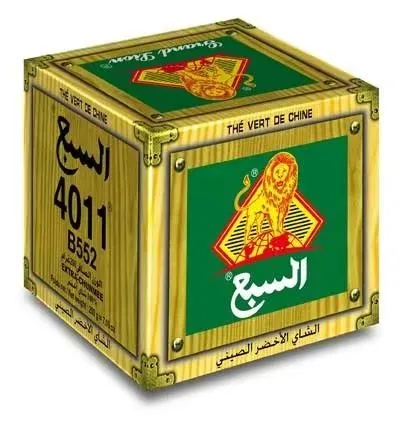
Gunpowder tea is easy to recognise, satisfying to watch as it opens and strong enough for many different brewing traditions.
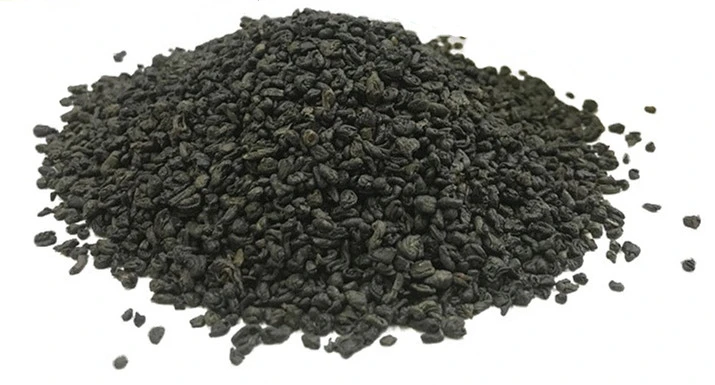
A green tea named for its unusual appearance
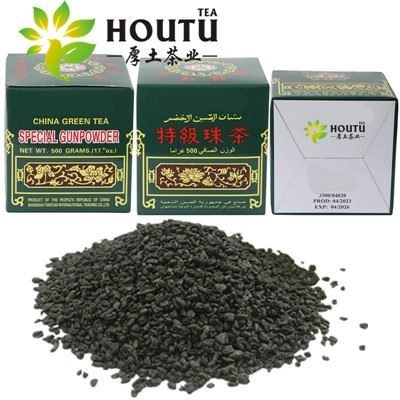
Gunpowder green tea is made by rolling the leaves into small pellets. The English name comes from their resemblance to old-style gunpowder grains, while the Chinese name is often translated as "pearl tea."
When hot water is added, the pellets gradually open and reveal the leaves inside. This makes Gunpowder visually interesting and gives the tea a slower, more progressive release of colour and flavour than many flatter leaf styles.
Why are the leaves rolled?
Rolling gives the tea its distinctive look and helps the leaves remain compact during packing and transport. The shape also changes the brewing experience: the pellets expand in the cup, releasing flavour as they unfold.
| What you notice | What it means in the cup |
|---|---|
| Tightly rolled pellets | Slower opening and a strong visual identity. |
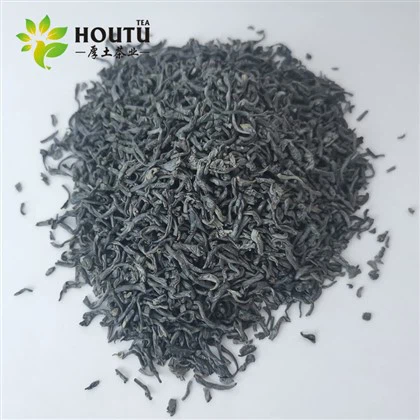
| Smaller loose particles | Faster colour and flavour release. |
| Clean green aroma | A fresher and more pleasant first impression. |
| Even expansion | A more consistent brewing experience. |

What does Gunpowder tea taste like?
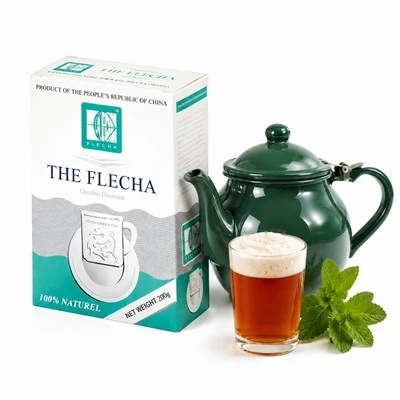
The cup is often bold, brisk and slightly smoky or toasted, although the exact character depends on origin, grade and processing. It is usually stronger than very delicate green teas, which is one reason it works well with mint and sugar.
How to brew it
Why it remains popular in many markets
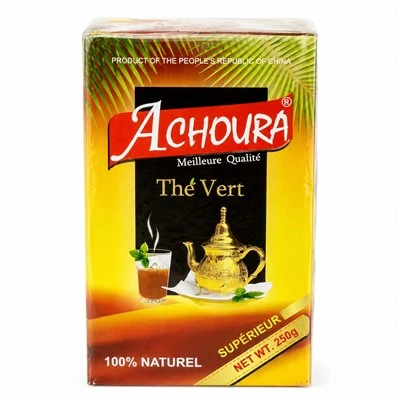
Gunpowder combines a memorable appearance, a strong cup and flexible use. It can be sold as loose leaf, packed for retail or used as the base of a mint-tea blend. For buyers, the key is to choose a grade that matches the market's preferred strength and price.