Green tea and black tea are separated less by the plant itself than by what happens to the leaves after they are picked.

Both teas begin with the same plant
Green tea and black tea both come from Camellia sinensis. Their major differences appear after harvesting. Green tea leaves are heated relatively early to limit oxidation, while black tea leaves are allowed to oxidise more fully before drying.
This difference in processing creates two very different styles from the same plant. Green tea usually keeps a fresher and more vegetal character, while black tea develops deeper colours and fuller, richer flavours.
| Feature | Green tea | Black tea |
|---|---|---|
| Oxidation | Limited by early heating. | Allowed to develop more fully. |
| Liquor colour | Pale green, yellow-green or golden. | Amber, copper or reddish-brown. |
| Common flavour | Fresh, vegetal, toasted or floral. | Malty, fruity, sweet or brisk. |
| Brewing | Usually gentler water and shorter time. | Often hotter water and a longer steep. |
| Food pairing | Light meals, fresh flavours and mint. | Breakfast foods, milk, spices and desserts. |

Which tea is stronger?
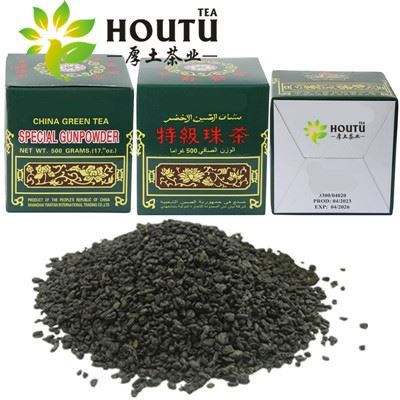
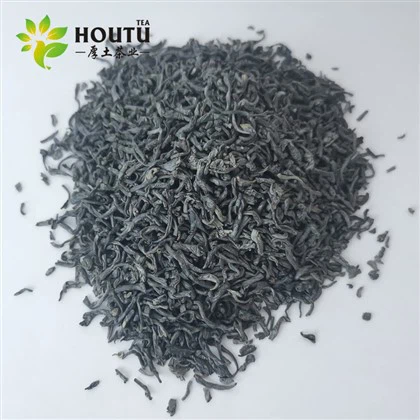
Strength depends on the leaf, grade, amount used and brewing method. Black tea often tastes fuller, but a strongly brewed Gunpowder or Chunmee can also produce an intense cup. Colour alone is not a perfect measure of taste strength.
Which one should a buyer choose?
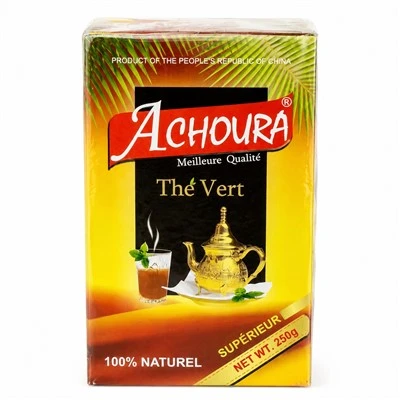
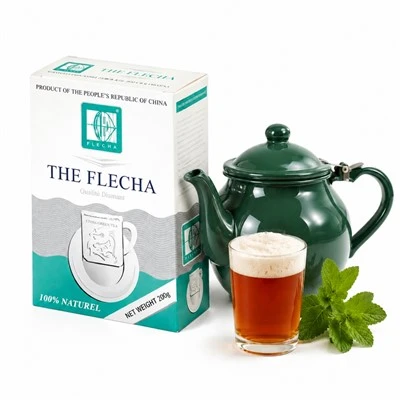
The answer depends on the consumer. Green tea may suit markets looking for fresh character, mint-tea preparation or a lighter daily drink. Black tea may suit customers who prefer a deeper colour, milk tea or a stronger breakfast style.