Hand-picking the "one bud, two leaves" is a traditional green tea harvesting practice in East Africa, a method that is critical to producing high-quality green tea. This practice, which is also widely used in China and Japan, involves carefully plucking the youngest and most tender parts of the tea plant-the central bud and the two leaves immediately below it.
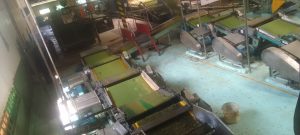
Freshly plucked green tea leaves undergo withering at Mudete Tea Factory before processing, as strict quality control measures are observed.
In East Africa's high-altitude tea plantations, this harvesting method is carried out by skilled workers, who typically begin picking at dawn when the tea leaves are still covered in dew. The early morning harvest ensures that the leaves retain their freshness and high nutrient content, including tea polyphenols and amino acids, which are essential for producing green tea with a bright, flavorful taste. Unlike machine harvesting, which can damage the tea leaves and reduce their quality, hand-picking allows for greater precision and care, ensuring that only the finest leaves are selected for green tea production. This traditional practice remains a hallmark of East Africa's green tea industry, contributing to the region's reputation for producing premium green tea.
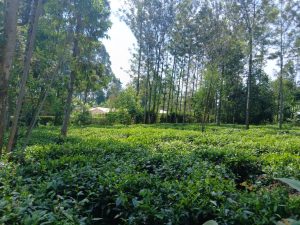
Lush rows of green tea bushes stretch across the hillsides of Vihiga County, where generations of farmers cultivate Kenya's leading export crop.