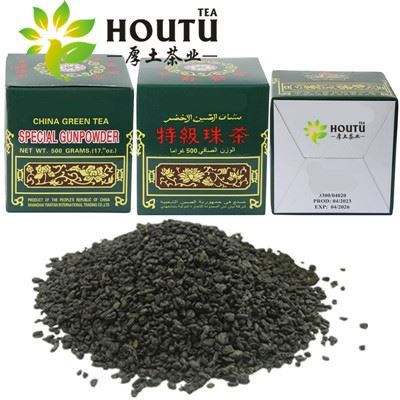
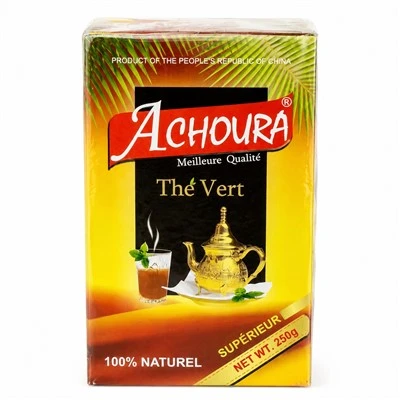
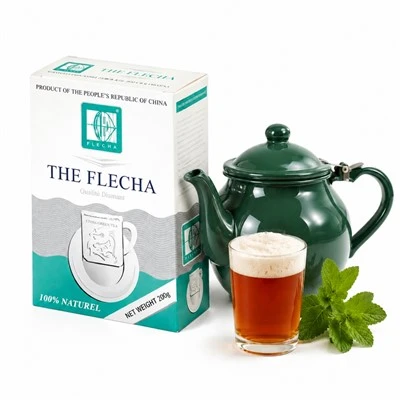
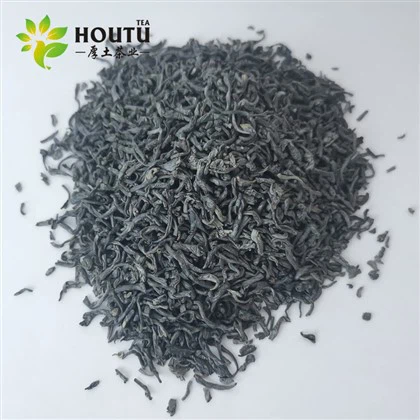
Along the premium tea industrial belt at 30° North Latitude lie numerous blessed tea-growing lands surrounded by picturesque tea plantations. In eastern Zhejiang, on the upper reaches of the Cao'e River where the 30° North Latitude line passes through, sits Shaoxing Shengzhou, hailed as a world-famous tea hometown and the birthplace of global gunpowder tea.
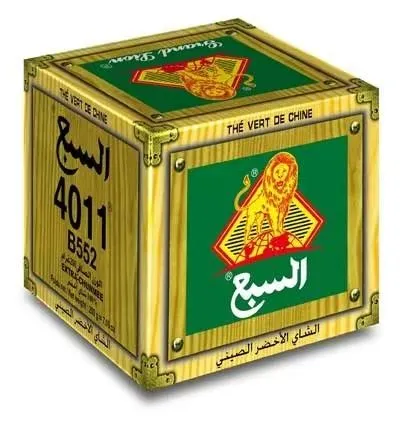
Walking along the paths of Shengzhou tea mountains, faint tea fragrance drifts through the air, carrying the premium quality of pre-Ming Festival tea and the mellow composure unique to gunpowder tea. Though relatively unfamiliar to many domestic consumers, gunpowder tea once achieved remarkable glory in Zhejiang's tea export history before gradually fading amid global market competition. Shengzhou serves as the core producing area of gunpowder tea and China's largest processing and export distribution hub for this tea variety. In 2025, Shengzhou exported 75,700 tons of gunpowder tea with an export volume exceeding 1.4 billion RMB, accounting for approximately 60% of China's total national gunpowder tea exports. At its peak, more than 60,000 tons of Shengzhou gunpowder tea were shipped to Europe, America, Africa and other regions worldwide via the Belt and Road Initiative each year.
Formerly known as Shan, Shengzhou boasted traditions of tea planting, picking and drinking dating back to the Han Dynasty. Tea decoction became prevalent across the region in the Jin Dynasty, and by the Tang Dynasty, it had grown into a major tea-producing county in eastern Zhejiang. In the early 18th century, gunpowder tea (then named round tea) was exported to the United Kingdom and praised as "Green Pearls". Also called round fried green tea, gunpowder tea rose to international fame under the premium Tiantan brand in the 1980s. In 2009, Yuexiang Longjing was listed among Zhejiang Top Ten Famous Teas. The region has earned numerous honors including China Hometown of Tea, China Hometown of Famous Tea, National Base County for Tea Export, National Demonstration Base for Pollution-Free Tea Export, National Demonstration Zone for Horticultural Product Export, National Protected Origin Area for Longjing Tea and China Hometown of Tea Culture.
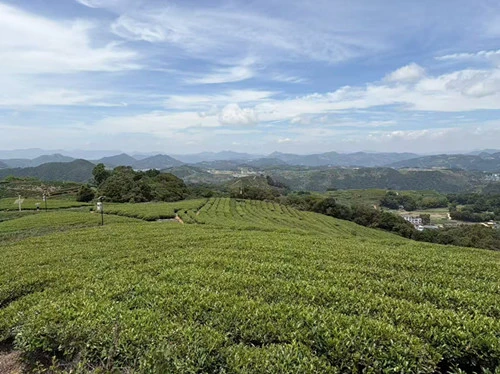
Surrounded by mountains with flat terrain in the center, Shengzhou features a typical hilly terrain described as seven parts mountain, one part water and two parts farmland. Located close to the southeast coast, it enjoys a subtropical monsoon climate, and its undulating terrain creates diverse microclimates within the territory. Accordingly, Shengzhou tea plantations are mostly situated in hilly areas at altitudes ranging from 300 to 800 meters, growing on fragrant ash soil with trees interspersed among tea gardens, forming an ecological planting pattern known as trees on hilltops, bushes on hillsides and plants at hill bases. Tea bushes thrive year-round amid mist and cloud, with this unique natural environment perfectly suited for tea tree growth. Highland tea gardens in Shengzhou are mostly nestled alongside forests and moso bamboo groves, where arbors, shrubs and ground vegetation form a sound forest ecosystem.
Gunpowder tea features tightly rolled, fine round pellet-shaped dry leaves resembling pearls with glossy green color. Its brewed liquor is yellowish-green and clear, with pure rich aroma, tender even infused leaves in bright yellowish-green hue. Natural gunpowder tea is processed from fresh long tea shoots of one bud with two to three leaves or one bud with four to five leaves. After brewing, the liquor appears pale yellowish green, with soft unfolded infused leaves and excellent resistance to repeated infusions. Its quality grade falls between chunmee tea and congou hyson tea. Gunpowder tea is classified into five formal grades plus ungraded products based on its appearance, aroma, taste and liquor color after brewing.