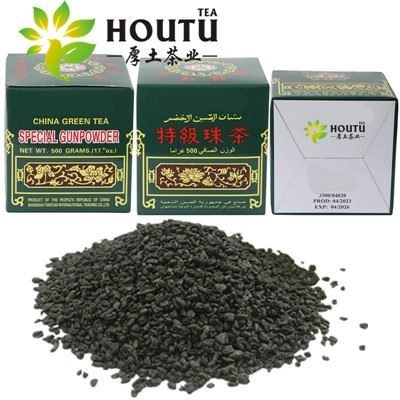
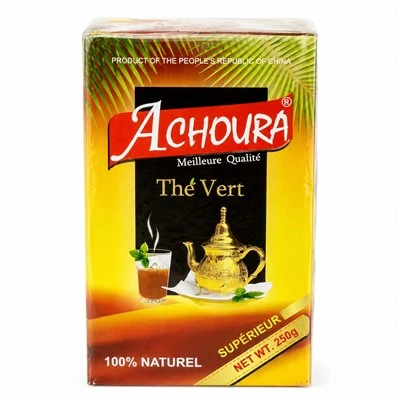
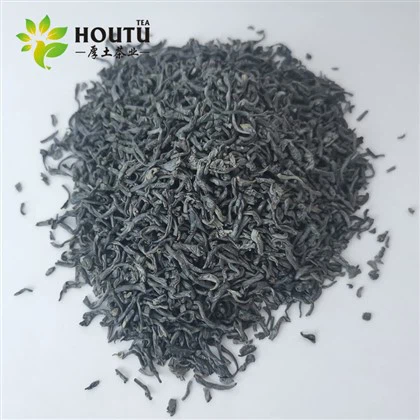
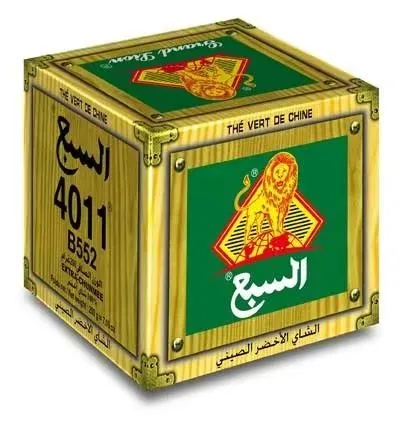
Green tea is an unfermented tea containing highly unstable chlorophyll and aromatic compounds. In the industry, green tea is said to have "three fears": moisture, foreign odors, and high-temperature oxidation-factors that are particularly critical during long-distance ocean export. The first fear is moisture. Tea leaves have a porous structure and are highly hygroscopic. For export-grade *Mei* and *Zhu* teas, factory-exit moisture content is typically controlled at 5%–6%; however, in high-humidity environments, the tea rapidly absorbs moisture. If moisture levels exceed 7%, aging accelerates, causing the liquor to darken and the aroma to dissipate. Continued moisture absorption can lead to mold and clumping, potentially resulting in the total loss of the container's cargo. Ocean-going containers experience significant day-night temperature fluctuations, making them prone to condensation-commonly known as "container rain"-which poses the greatest risk to tea shipments. The second fear is the absorption of foreign odors. Tea leaves possess a strong capacity to absorb odors, acting much like activated carbon. If a container previously held spices, chemicals, seafood, or leather, the tea may absorb residual odors-a phenomenon known as cross-contamination-rendering it unsellable. Therefore, prior to shipment, we must ensure the container is clean, dry, and odor-free, and that the tea is not stowed alongside goods with volatile odors. The third fear is prolonged exposure to high temperatures. High temperatures accelerate oxidation and the rapid breakdown of chlorophyll; the dry tea leaves shift from green to a withered yellow, the signature chestnut aroma vanishes, and a stale, musty odor develops. Shipping routes from Ningbo Port to North and West Africa traverse tropical waters, where container temperatures can easily rise; consequently, protective measures regarding packaging, stacking, and stowage location are essential. From the raw tea and finished product warehouses to container loading and shipment via Ningbo Port, the entire process focuses on "controlling moisture, blocking odors, and regulating temperature" to ensure stable quality upon arrival after the long ocean voyage.