TEA FOR DIFFERENT MARKETS · ARTICLE 148
Guinea: Choosing Green Tea for Shared Social Brewing
Why a tea that looks excellent in a tasting bowl still has to prove itself under sugar, heat, time and repeated pouring.
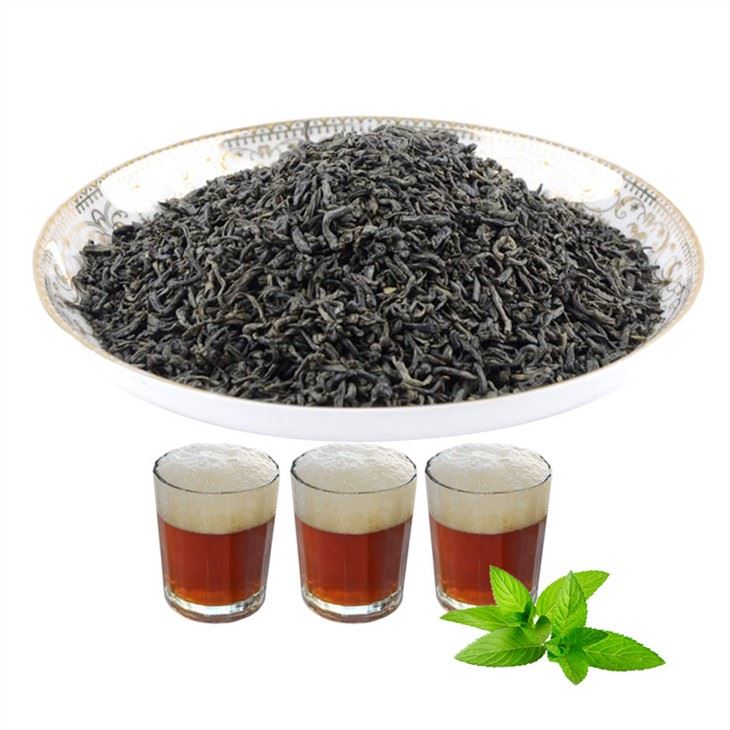
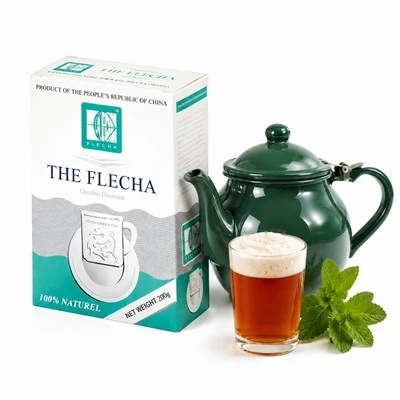
Illustrative West African-style tea liquor and foam; preparation differs by household and region.
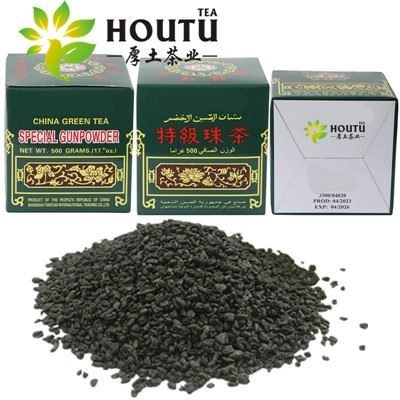
Illustration: HOUTU TEA public image library
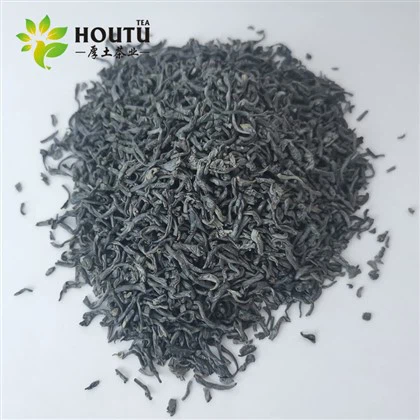
Illustration: HOUTU TEA public image library
For a market built around shared preparation, the real product is not the dry leaf alone-it is the cup after the local brewing method has finished with it.
Start with the regional context, then test locally
Published work on green tea in the Sahel traces the movement of Chinese green tea south from Saharan trade centres into the wider savannah zone. Contemporary accounts also describe ataya-style green tea in Guinea, but preparation is not identical in every region, language community or household.
That matters commercially. A supplier should not assume that "West Africa" is one recipe. In Guinea, a sample needs to be tested with the importer's actual tea-to-water ratio, sugar level, boiling time and preferred number of rounds.
What the brewing style asks from the tea
| Buyer question | Why it matters |
|---|---|
| Does the cup stay present after sugar? | A weak aroma or thin body can disappear once the drink is heavily sweetened. |
| Does long heating become dirty or burnt? | Strong is useful; coarse, smoky or stale is not. |
| Can the same leaves carry more than one round? | Shared brewing often rewards endurance rather than a delicate first infusion. |
| Does the tea build an attractive foam? | Foam is part of presentation in many ataya-style settings. |
| Does the pack fit local resale? | Small shops and informal retail can favour compact, easy-to-count units. |
What to taste before approving a shipment
✓
Taste the tea plain first, so defects are not hidden by sugar.
✓
Repeat the test with the importer's real recipe.
✓
Judge the second and later rounds, not only the first.
✓
Check whether the liquor remains clean as it becomes stronger.
✓
Keep an approved reference sample for every shipment discussion.
Avoid the stereotype
Guinea is culturally and geographically diverse. Ataya-style tea is an important reference point, not a claim that every Guinean prepares tea in exactly the same way.

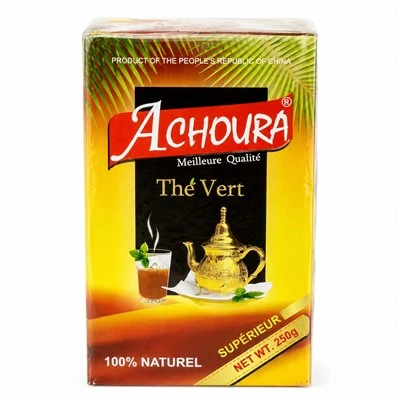
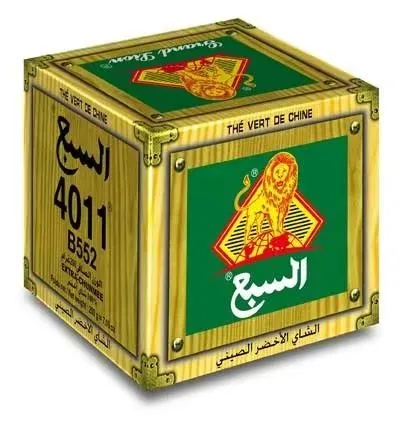
Retail competition is visible through pack colour, brand recognition and small-format availability.
Illustration: HOUTU TEA public image library
Illustration: HOUTU TEA public image library
Sources and further reading
Need a Guinea-focused sample set?
Send Sophie the current brand, brewing recipe, target pack size and preferred strength. Samples can be compared under the real preparation method.
Email SophieWhatsApp Sophie
jessie@hoututea.com · +86 18888798057