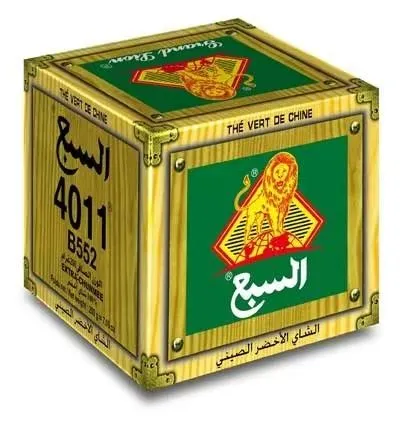
Green tea is the oldest type of tea in China, and also the tea with the largest production and richest variety. A cup of high-quality green tea, with a clear soup color like spring water, an elegant aroma like orchids, and a refreshing and sweet aftertaste. Drinking not only tea, but also the taste of the whole spring.
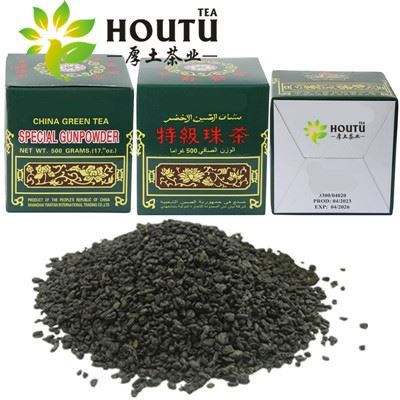
Most people first started drinking tea, most likely starting with green tea. West Lake Longjing, Biluochun, gunpowder tea... These familiar names belong to the green tea family.
But green tea is not just 'green color tea'. The reason why it can maintain the appearance of "clear soup and green leaves" is entirely due to a key technique - withering.
After tea leaves are picked, if not processed immediately, enzymes in the leaves will begin to oxidize, and the leaves will turn red and brown. The method of making green tea is to use high temperature to "kill" these enzymes in the first place, thereby preventing oxidation reactions. This process is called wrap up. There are two main ways to wrap up:
Stir fry: Stir fry in a hot pot. This is currently the most mainstream method, and the tea stir fried has a high aroma. West Lake Longjing and Biluochun are both stir fried green tea.
Steaming green: Steaming with steam. This is the mainstream production method in ancient times, which is relatively rare now. The representative tea is Enshi Yulu from Hubei. Steamed green tea has a greener color and a fresher taste, but with a hint of "green flavor".