1. Important components
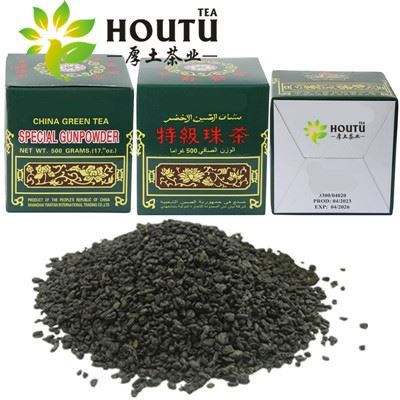
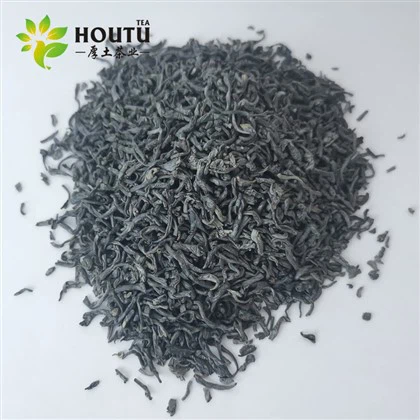
1. Tea:
(1). Tea polyphenols, which determine the "astringency" and "health benefits", are the most important active substances in tea, accounting for 18% to 36% of the dry weight. They are also the main source of the bitter and astringent taste in tea infusion.
[Function] A potent antioxidant capable of scavenging free radicals, exhibiting significant effects in anti-inflammatory, lipid-lowering, antibacterial activities, and the prevention of cardiovascular diseases.
(2) Alkaloids - responsible for "refreshment" and "bitterness", primarily caffeine, along with minor amounts of theobromine and theophylline.
[Function] It can refresh the mind, stimulate the central nervous system, dispel drowsiness, enhance mental agility, and also promote gastric juice secretion (aiding digestion), as well as having diuretic and cardiotonic effects.
(3) Amino acids - determining "freshness" and "sweetness". Tea contains over 20 types of amino acids, among which L-Theanine is the most important, accounting for over 50% of the total free amino acids.
[Function] Theanine can penetrate the blood-brain barrier, promote the secretion of dopamine in the brain, and generate alpha brain waves. It can antagonize the anxiety caused by caffeine, allowing people to feel relaxed and focused while remaining awake (i.e., "a calming refreshment").

2. Coffee:
(1) Chlorogenic acid - determining "acidity" and "health", it is the most abundant antioxidant substance in coffee beans (accounting for 6% to 12% of dry weight) and one of the main sources of coffee's sour taste.
[Function] A potent antioxidant that aids in regulating blood glucose metabolism, reduces the risk of type 2 diabetes, and possesses anti-inflammatory and liver-protective properties.
(2) Alkaloids - responsible for the "bitterness" and "refreshing effect", primarily caffeine, with minor amounts of trigonelline and theobromine.
[Function] It blocks fatigue signals (adenosine receptors) in the brain, stimulates the central nervous system, and brings about a strong refreshing effect. At the same time, it can promote fat decomposition and is often used as a supplement before exercise.
(3) Caffeol and cafestol - determining "richness" and "crema", these two substances belong to the category of coffee lipids, primarily present in the crema of coffee beans.
[Function] These two diterpenoid compounds exhibit potential anti-inflammatory and anticancer properties, yet studies indicate that they may elevate low-density lipoprotein (LDL) levels in the blood. When filtered through filter paper (such as in drip brewing or French press), most of the cafestol is adsorbed by the filter, resulting in minimal impact on blood lipids.
2. Differences
1. The stimulating effect of coffee is "explosive", taking effect quickly but wearing off just as quickly, which can easily lead to palpitations or subsequent energy collapse;
The refreshing effect of tea is "sustained-release". Theanine neutralizes the jittery feeling of caffeine, bringing a "calm focus" that lasts longer.
2. If you need an instant wake-up (such as getting up in the morning or before exercise): suggestion - coffee.
If you need to concentrate for a long time (such as reading a book or working in the afternoon): suggestion - tea.