Three observations
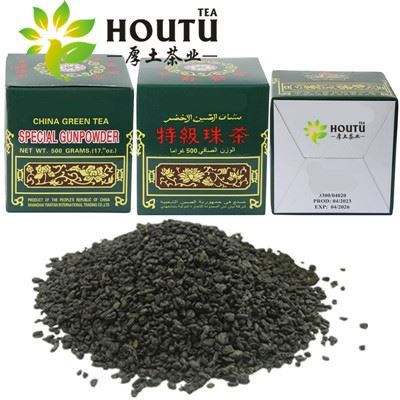
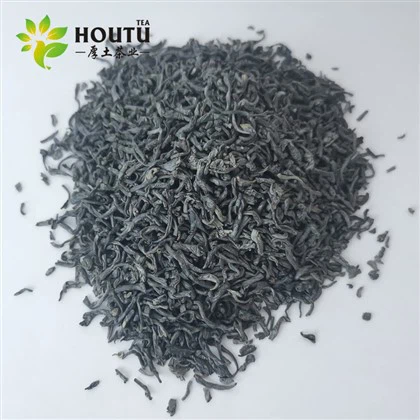
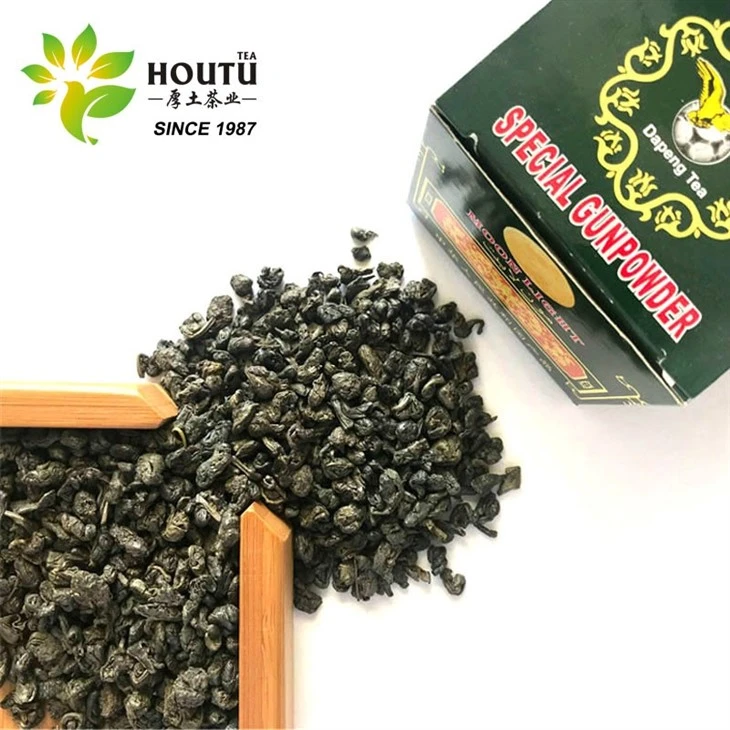
First, observe the appearance and shape of the dried tea leaves, that is, whether it is bud tea or leaf tea, or whether it is pearl tea or
For strip tea, we also need to observe the color, texture, uniformity, tightness, and presence of visible tea hairs of the dried tea leaves.
Secondly, observe the color of the tea infusion, that is, whether it is clear, bright, and possesses the expected color of the tea variety.
Third observation: Leaf base, observe whether the fully expanded leaves or buds after brewing are tender, uniform, and intact.
Three smells
Dry smell: Mainly smell the aroma of the dried tea, and check for any aged or moldy smell, as well as any other absorbed odors.
"Hot smell" refers to smelling the aroma of tea while it is still hot after being brewed.
"Cold smell" refers to the lingering aroma that remains on the lid or the bottom of the cup after the temperature has been lowered.
Three Grades
Grade 1: It mainly involves evaluating the fire technique, to see if the tea processing technique involves old fire, full fire, raw green tea, or has a sun-dried flavor.
Second grade: It involves tasting the flavor. At this stage, the tea should be allowed to flow in the mouth, and one should observe whether the tea flavor is strong, fresh, sweet, mellow, or bitter, thin, or astringent.
Third grade: It refers to the charm of tea tasting.
Three aftertastes
Firstly, the aftertaste of the tongue root is sweet, and the mouth is filled with saliva.
Secondly, the aftertaste is sweet and mellow, leaving a lingering fragrance throughout the day.
Thirdly, the aftertaste in the throat is sweet and refreshing, the qi flow is smooth, and the five organs and six internal organs feel nourished.