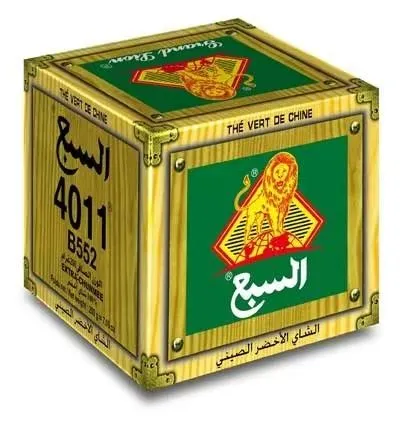
Different tea varieties have unique characteristics, requiring tailored storage solutions:
• Green tea, yellow tea & light-scented oolong tea: Extremely susceptible to oxidation. Store in refrigerator at 0℃–5℃. First seal tea in aluminum foil bags, then place inside tin or caddy cans. Ensure the fridge is free of strong odors. Do not open the package right after taking it out of the fridge; let it warm up to room temperature first to avoid water vapor condensation.

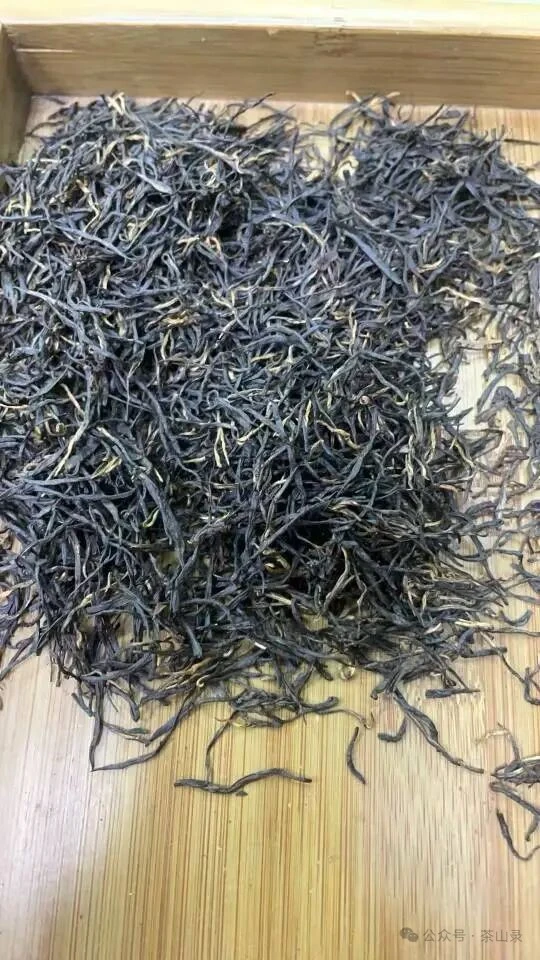
• Black tea & heavy-roast oolong tea: Relatively stable. Prioritize airtightness, light blocking, moisture and odor prevention. Seal them in well-sealed tin, metal or clay cans, and store in cool, dark and dry indoor areas.
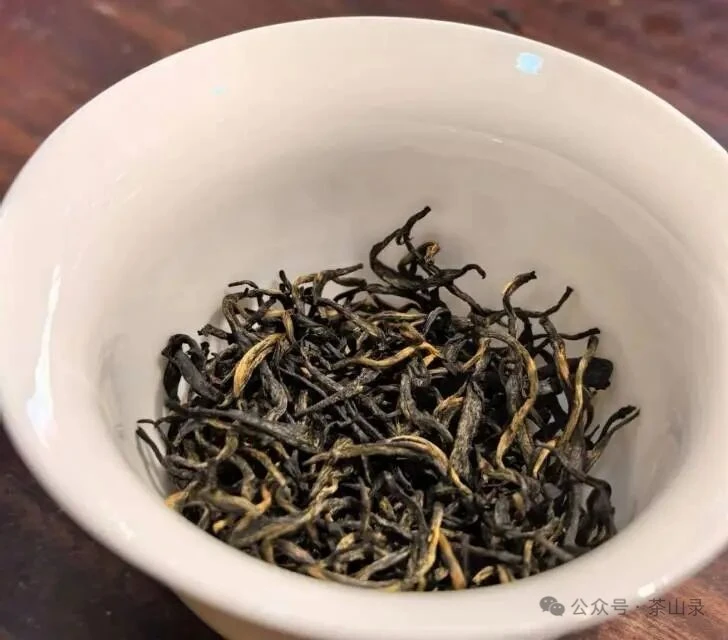
• Pu'er tea, dark tea & white tea: These teas are designed for aging and need mild air circulation. Zisha clay jars are not recommended in plum rains as they absorb moisture easily. Small quantities can be stored in metal cans. For bulk stock, adopt the three-layer packaging method: aluminum foil bag + food-grade plastic bag + thick carton. Seal completely and place the carton away from walls and floors. Never open the packages for ventilation during humid plum weather.
ventilation during humid plum weather.
Practical Tips 1. Humidity control: Keep doors and windows closed. Run air conditioners or dehumidifiers; maintain ambient humidity below 60%.
2. Sealing & moisture absorption: Reseal containers immediately after taking tea leaves. Place food-grade desiccants or clean bamboo charcoal bags inside cans and replace them regularly.
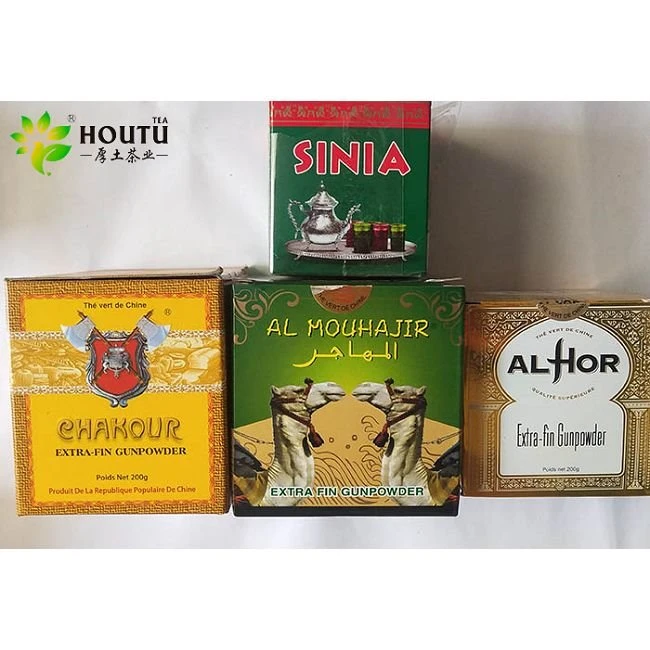
3. Container selection: Tin, metal and ceramic cans with tight lids are top choices. If cartons are used, seal all gaps completely with adhesive tape.
Never expose damp tea leaves to direct harsh sunlight! For slightly damp tea, you may use a household food dehydrator on low-temperature mode, or an electric rice cooker with no water inside for slow low-heat roasting. However, temperature and duration are hard to control, so operate with extreme caution.
How to Check if Tea Has Absorbed Moisture
Pinch a small handful of dry tea between your fingers as a simple test:
• If it crumbles easily into fine powder: the tea is properly dry.
• If it only breaks into large flakes or soft fragments: it has already absorbed excess moisture.
Which type of tea do you usually drink? Each tea category requires distinct storage care!