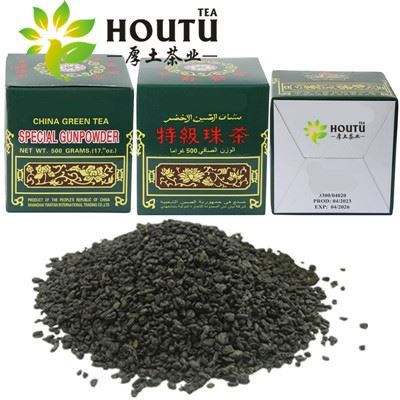
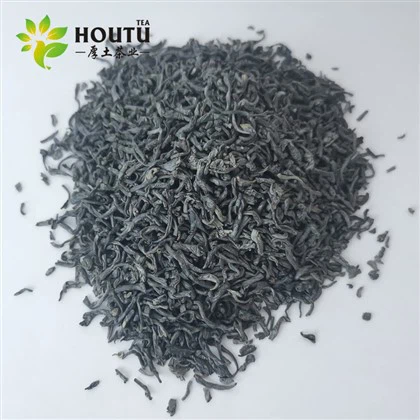
Many people mistakenly believe that tea leaves, being dry goods, are impervious to damage and can be carelessly stored anywhere. However, in reality, tea leaves are among the most delicate ingredients. Moisture absorption, oxidation, flavor contamination, and exposure to light - any of these factors can transform good tea into worthless waste.
Why does tea deterioration?
The fundamental reason for tea deterioration lies in its porous structure and rich internal components, making it extremely sensitive to the environment. As long as it comes into contact with the following four factors, it will quickly lose its flavor:

Oxidation: The tea polyphenols, amino acids, and aroma substances in tea leaves react with oxygen in the air, leading to a darker color, loss of aroma, and a blander taste. This is the primary reason for the deterioration of green tea and yellow tea.
Moisture absorption: When the moisture content of tea exceeds 7%, it is prone to mold growth, and if it exceeds 12%, a large amount of mold will proliferate. During the rainy season in the south, tea left outside for just three days will absorb moisture and deteriorate.
Cross-flavoring: The porous structure of tea leaves is like a sponge, which can absorb all the surrounding odors. When placed together with garlic, soap, and perfume, it will pick up the odor within a few hours and it cannot be removed.
Light exposure: Ultraviolet rays in sunlight can damage the vitamin C and aroma compounds in tea leaves, causing the tea infusion to become turbid and develop an unpleasant "sunny flavor".
All tea storage methods essentially revolve around these four factors: isolating from oxygen, maintaining dryness, preventing cross-flavor contamination, and avoiding exposure to light.
Exclusive storage methods for different types of tea
Not all teas need to be stored in the refrigerator, nor can they all be stored for extended periods. Based on the degree of fermentation, the storage methods for the six major tea types are as follows:

1. Non-fermented tea: green tea, yellow tea
Core principles: low temperature, sealing, avoiding light, and oxygen isolation. The core value of these two types of tea lies in their freshness and crispness, with the fastest oxidation rate and the strictest storage requirements.
✅ Correct storage method: Divide into small portions of 50-100g, seal with aluminum foil bags, squeeze out the air and place into sealed iron or ceramic cans, then cover with a plastic bag and place in the refrigerator's freezer compartment, maintaining a temperature of 0-5℃. When drinking, take out one small portion, and after consumption, take another portion, avoiding repeated taking in and out.
❌ Incorrect method: Simply placing the tea in a plastic bag and storing it in the refrigerator will cause moisture absorption and flavor transfer. Opening the entire package of tea repeatedly will introduce a large amount of air and moisture each time. Storing it in the freezer will damage the tea's cell structure and affect its taste. Best drinking period: Within 6 months. After 1 year, it will completely lose its freshness.
2. Semi-fermented tea: Oolong tea
Core principles: Sealed, dry, and kept away from light. Oolong tea, which comes in two types: light-flavored and strong-flavored, should be stored differently. Many people confuse them.
✅light fragrance -flavored Tieguanyin and Taiwanese high mountain tea: After sealing, place in the freezer compartment of the refrigerator at a temperature of -18℃. They can be stored for 12-18 months with the taste remaining largely unchanged. Take them out 1 hour before drinking and allow them to warm up before opening the package to prevent condensation.
✅ Strong fragrance Tieguanyin, Wuyi rock tea, and Fenghuang single tea: Store in a double-sealed tin or ceramic jar in a cool, dry, and ventilated place, away from the kitchen and bathroom. Open it for ventilation every 3 months to check for moisture. Best drinking period: Qingxiang flavor for 12 months, strong fragrance for 2-3 years
3. Fully fermented tea: Black tea
Core principle: Sealed, dry, and stored at room temperature. Black tea, having undergone full fermentation, has had most of its tea polyphenols oxidized, making it relatively stable in nature and not requiring refrigeration.
✅Correct storage method: Store in a sealed iron, tin, or ceramic jar in a cool, dry place, avoiding direct sunlight and keeping it away from other odorous items.
❌Incorrect practice: Refrigerating in the fridge can cause moisture absorption and flavor transfer, affecting the honey aroma of black tea. Storing in a purple sand jar, which has good air permeability, can quickly lose the aroma of black tea. Best drinking period: 18-24 months. The taste will significantly decline after 3 years
4. Post-fermented tea: white tea, Pu'er tea, black tea
Core principles: Ventilation, dryness, normal temperature, and absence of off-odors. These three types of tea become more fragrant with age. They need to be exposed to air for natural aging and must not be stored in sealed conditions.
✅Correct storage method: Loose tea: Wrap it with kraft paper bags or tissue paper and place it in a breathable purple sand pot or ceramic pot. Tightly pressed tea: Wrap it with tissue paper or bamboo leaves and place it on a tea shelf, at least 10cm away from the wall and the ground. The storage environment should be kept dry, with relative humidity controlled at 40%-60%. During the rainy season in the south, use a dehumidifier to reduce indoor humidity, and check monthly for mold growth.
❌Incorrect practices: Sealing and storing in plastic bags or aluminum foil bags will stop aging and easily cause a musty smell. Refrigerating in a refrigerator will inhibit microbial activity at low temperatures, affecting the aging effect. Storing with items that have a peculiar smell will permanently impart the odor. Best drinking period: White tea - 3-10 years, Pu'er ripe tea - 5-15 years, black tea - 10-20 years.