Prosperity and Standardization: Tea Culture in the Tang Dynasty
Boasting strong national strength, thriving economy and frequent international exchanges, the Tang Dynasty witnessed the first golden age of Chinese tea culture. Tea evolved into a popular beverage enjoyed by people from all social strata across the country.
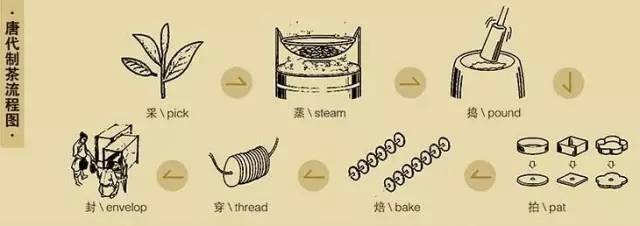
During the reign of Emperor Xuanzong, Lu Yu, revered as the Sage of Tea, completed The Classic of Tea - the world's first monograph dedicated to tea. This masterpiece systematically summarized experiences in tea cultivation, processing and drinking, establishing a comprehensive theoretical framework for tea. It elevated tea drinking from a daily habit to a profound cultural practice and set standards for generations to come.
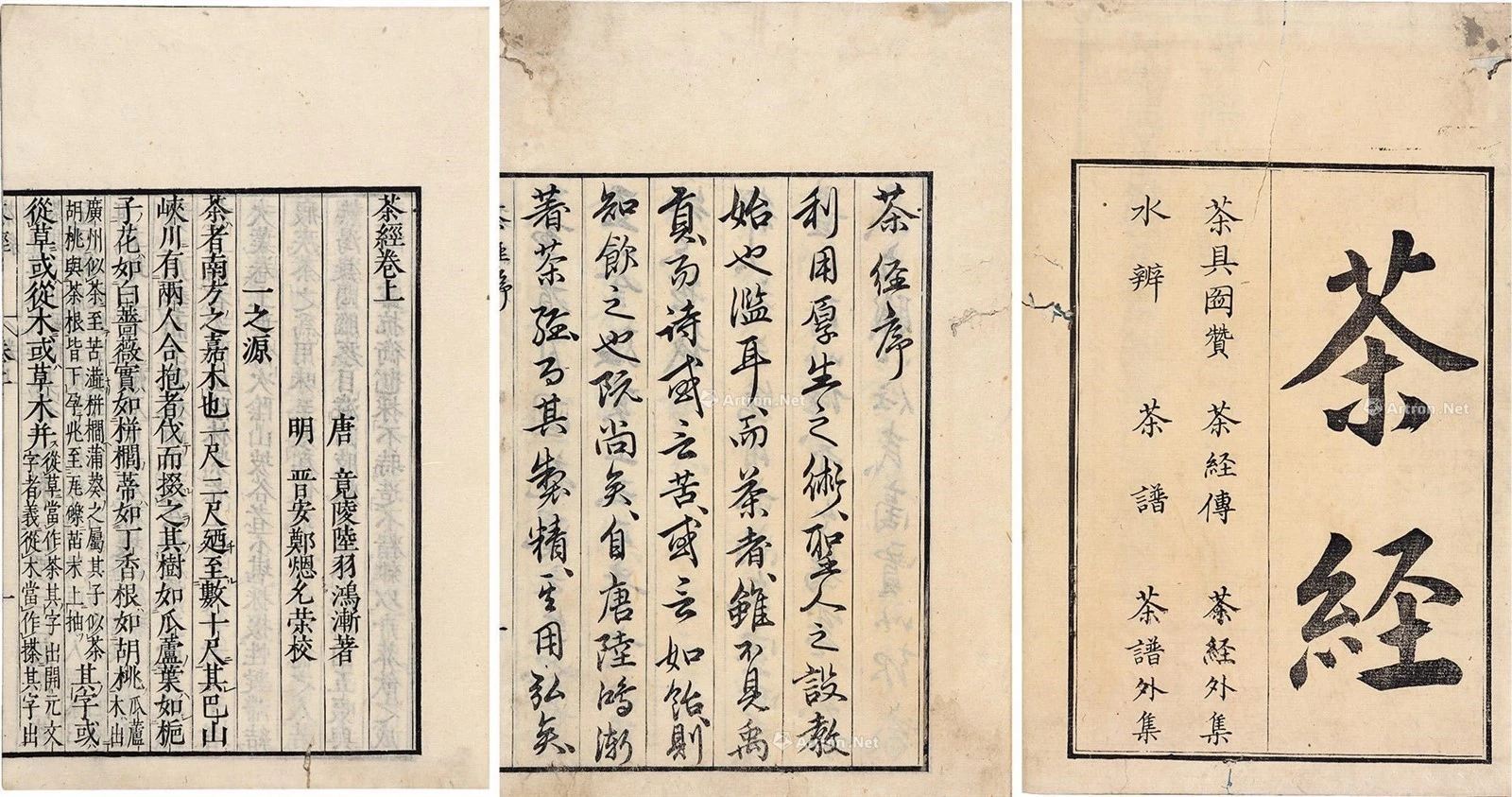
photo of The Classic of Tea
The dominant brewing method at that time was the tea boiling method. Great attention was paid to controlling water temperature based on the "three boiling stages". People commonly seasoned tea with scallions, ginger, jujubes and other ingredients for better taste and health benefits. The well-defined procedures made tea boiling a ritual full of grace and solemnity.
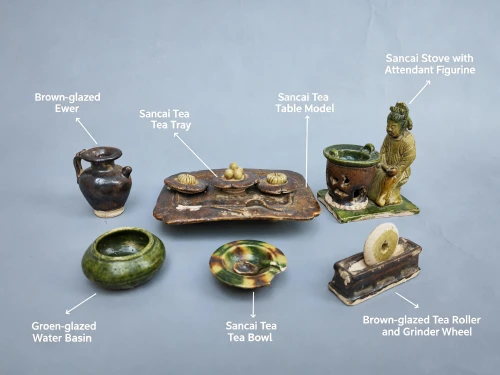
This set of utensils is a typical Tang Dynasty tea frying method tea set Mingqi
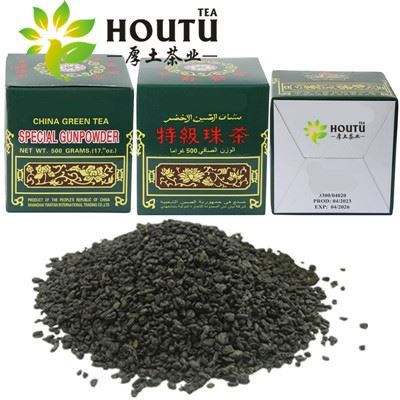
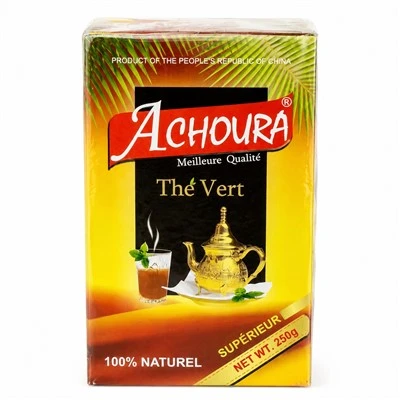
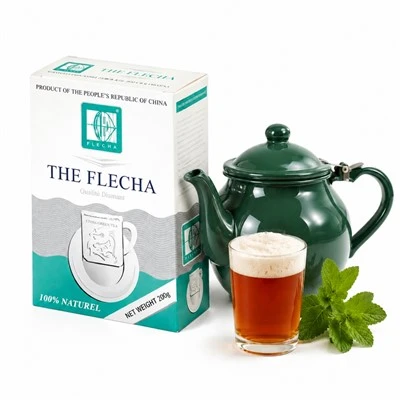
Tang tea culture absorbed the essence of Confucianism, Taoism and Buddhism, forming a rich spiritual connotation. Teahouses began to flourish in cities. Among scholars and literati, tea served as an important medium for social gatherings. They savored tea while exchanging ideas and composing poems. It is worth noting that the practice of adding condiments to tea in the Tang Dynasty shares similarities with the custom in modern West Africa, where people add sugar and mint to tea to enrich its flavor.