Founded by nomadic tribes from northern China, the Yuan Dynasty unified the whole country after years of division. Ethnic integration and great changes in social customs turned this era into a critical transitional stage for Chinese tea culture, which inherited the traditions of the Song Dynasty and paved the way for further development in the Ming Dynasty.
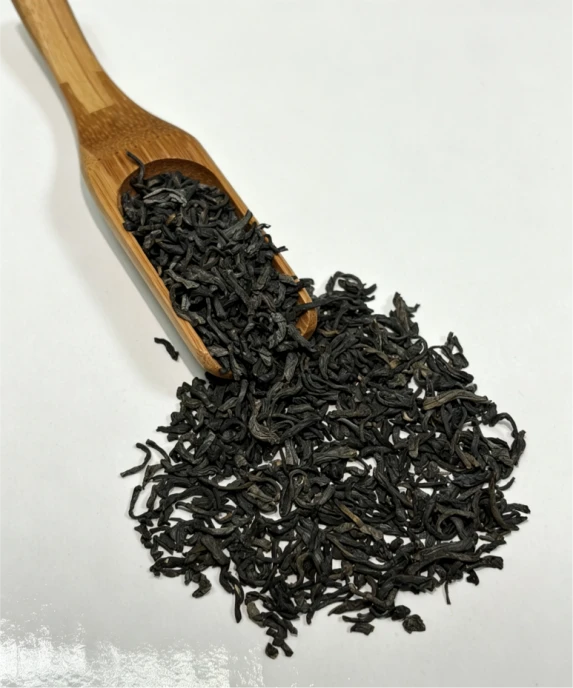
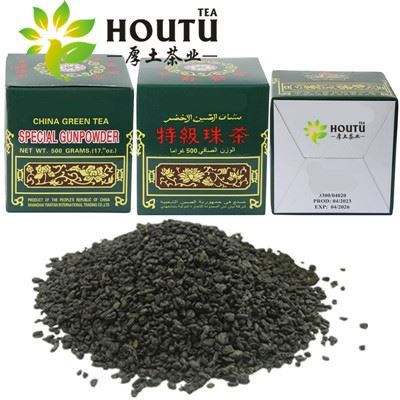
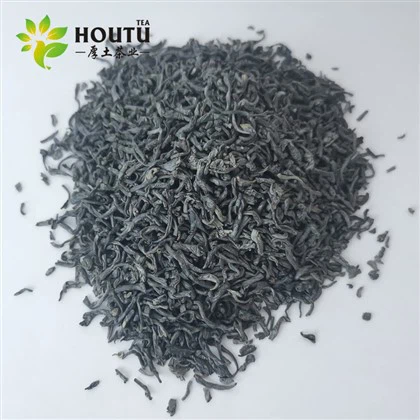
The Mongolian people favored a simple and unpretentious lifestyle. After they took control of the Central Plains, the elaborate tea rituals and refined aesthetic pursuits popular among Song literati gradually declined. Compressed tea cakes, which prevailed in the Song Dynasty, required tedious production work and a complete set of sophisticated tea utensils. Complicated practices such as whisked tea and tea competitions were no longer in line with the pragmatic social atmosphere of the Yuan Dynasty. Gradually, compressed tea faded from the mainstream. In contrast, loose-leaf tea gained widespread popularity among people of all social classes for its simple processing and easy brewing. It ushered in an era dominated by loose-leaf tea and laid a solid foundation for the mature brewing system in the Ming Dynasty.
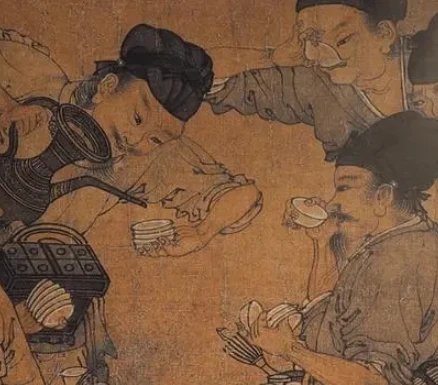
Tea-drinking methods were greatly simplified as well. The complicated techniques of creating fine foam and competing in tea skills from the Song Dynasty were abandoned. People began to appreciate the natural aroma of tea. The tea liquor tasted mild and refreshing, rather than strong and rich. Tea drinking returned to a simple daily pleasure, free from excessive formalities.

Furthermore, the Yuan Dynasty witnessed the remarkable overseas dissemination of Chinese tea culture. At that time, frequent religious exchanges took place between China and Japan, with numerous Buddhist monks traveling across the sea to study and preach. Traditional Chinese tea-making skills and tea philosophy were brought to Japan along with cultural and religious communications. These tea traditions took root and evolved locally, and directly fostered the emergence and formation of the Japanese Matcha Tea Ceremony. Chinese tea culture thus became an iconic symbol of cultural exchanges across East Asia.