Production Technology of Jasmine Tea
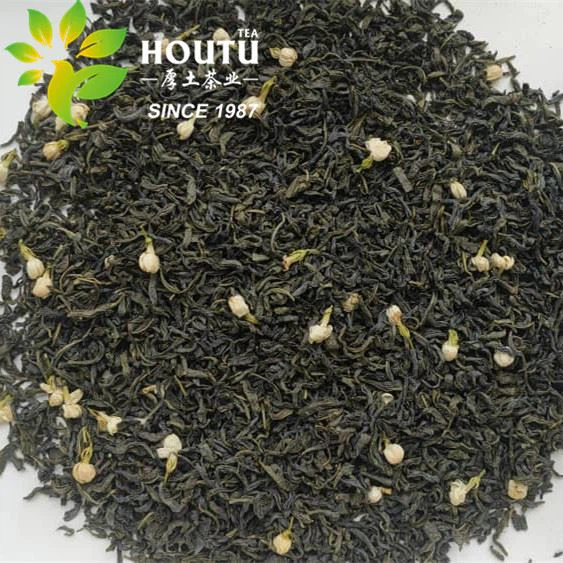
The complete and traditional scenting process of jasmine tea consists of 8 steps.
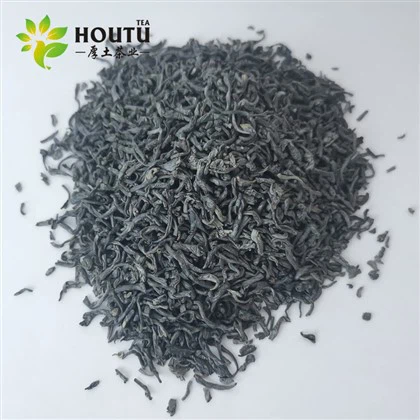
1. Tea Base Treatment (Re-drying and Cooling) The tea base, generally roasted green tea serving as the aroma-absorbing carrier, needs preliminary drying. Craftsmen re-dry the tea base in a dryer to strictly control its moisture content at approximately 4%–5%, maximizing its capacity to absorb floral fragrance. The tea base retains high temperature after re-drying, so it must be thinly spread and cooled with cold air. The next procedure can only start when its temperature drops to 1–3 ℃ slightly above room temperature; otherwise, high heat will scald fresh blossoms and deprive the fragrance of its bright, fresh character.
2. Fresh Flower Conditioning Jasmine only releases fragrance once fully bloomed, so unopened buds are used for scenting. The picked fresh flowers go through spreading for heat dissipation, stacking to encourage blooming, and sieving to remove impurities and unripe buds that cannot open. When 80%–95% of the buds blossom, they emit the strongest aroma, marking the optimal time for scenting.
3. Blending and Scenting This is the core stage of the whole craft. Craftsmen thoroughly mix the processed tea base and fresh flowers in precise ratios (such as 1:0.9 or 1:0.7) and pile them layer upon layer. During the static scenting period, fresh blossoms continuously release fragrance, while the dry tea avidly absorbs aromatic molecules, achieving perfect fusion of tea and flowers.
4. Heat Dispersion by Spreading Heat accumulates as tea absorbs fragrance. Once the pile temperature exceeds a certain threshold (e.g., 42 ℃), the mixture must be spread out promptly for cooling. This step lowers temperature, replenishes oxygen and expels carbon dioxide within the pile, reviving the flowers to keep releasing aroma.
Supplementary Explanation of "Scenting Rounds" Steps 3 to 7 mentioned above make up one complete scenting round.
Ordinary jasmine tea often adopts the craft of three scenting cycles plus one final aroma boost, while top-tier jasmine tea (such as nine-scent one-boost tea) requires repeating this whole process six, nine times or even more. Every repeated cycle is an ultimate test of craftsmen's patience and proficiency. It is this elaborate and refined processing that creates the unique charm of jasmine tea - a rock sugar-like sweetness and deeply embedded floral fragrance lingering in the tea.
5. Re-stacking for Secondary Scenting After sufficient heat dispersion and when the temperature falls to a suitable range, craftsmen re-stack the tea and flower mixture to allow the tea to fully soak up residual floral scent.
6. Flower Separation When the flowers finish releasing fragrance and wither, tea leaves and spent flower residues are separated with sieves. The separation follows a standard rule: batches with more scenting rounds first, those with fewer rounds later; within the same scenting round, high-grade tea first, low-grade tea afterward.
7. Re-drying Having absorbed moisture along with floral aroma after flower separation, the tea must be baked and dried without delay. This removes excess water, locks in the absorbed fragrance, and prepares the tea base for subsequent scenting cycles.
8. Final Fragrance Boost (Brightening Aroma) Premium jasmine tea undergoes an extra final fragrance boost after multiple rounds of regular scenting. A small quantity of top-grade fresh flowers is blended with the tea for a short scenting session, with no further baking afterward. The mixture is merely spread to cool before packaging. This step greatly enhances the bright top note of the tea, delivering a livelier, fresher fragrance.

Supplementary Explanation of "Scenting Rounds" Steps 3 to 7 mentioned above make up one complete scenting round. Ordinary jasmine tea often adopts the craft of three scenting cycles plus one final aroma boost, while top-tier jasmine tea (such as nine-scent one-boost tea) requires repeating this whole process six, nine times or even more. Every repeated cycle is an ultimate test of craftsmen's patience and proficiency. It is this elaborate and refined processing that creates the unique charm of jasmine tea - a rock sugar-like sweetness and deeply embedded floral fragrance lingering in the tea.