How an ordinary storage box reveals the price, status and household rituals once attached to tea.
.jpg)
Image source: Wikimedia Commons – historical tea caddy
The story
Early imported tea was costly because of distance, duties and limited supply. The Victoria and Albert Museum notes that tea leaves were often kept in lockable caddies and that the woman of the household commonly controlled the key and served the tea.
Caddies could be made of silver, wood, porcelain, metal or other materials. Some boxes contained separate compartments for green tea, black tea and sugar. Their design displayed wealth while also protecting aroma and controlling portions.
What the sources tell us
Why the story still matters
The object shows how price changes behaviour. When tea was rare, people locked it away and served it personally. When tea became affordable, storage shifted toward tins, packets and kitchen cupboards.
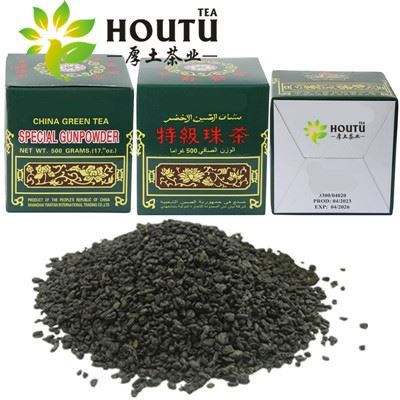
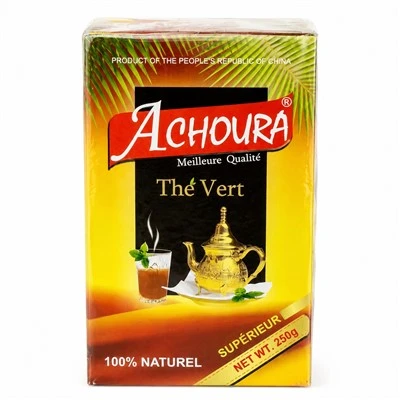
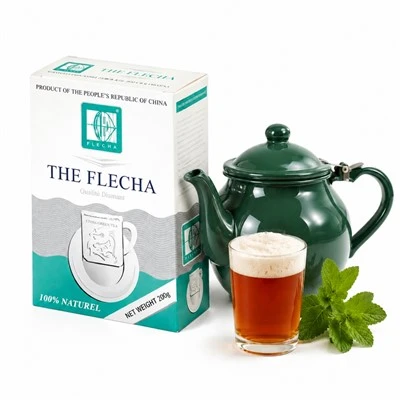
Packaging still signals value today: the container tells customers whether a product is everyday, premium, gift-oriented or designed for freshness.

Image source: HOUTU TEA public image library