|
In North African green tea culture, the thick foam produced during brewing is considered the essence of tea ceremony and a symbol of quality. The richer and finer the foam, the higher the quality of the tea and the more skillful the brewing technique. This unique consumer aesthetic has, in turn, influenced Chinese tea export companies' focus on "foaminess."
Foam: The "Mousse" Aesthetics of North African Tea Ceremony
In North Africa (especially Morocco and Algeria), after brewing green tea (mostly pearl tea and eyebrow tea), people repeatedly lift and pour the tea from a high position ("high pour") to allow the tea to fully contact the air, creating a large amount of fine foam, which locals call "mousse."
Quality Signal: The richness of the foam is a direct judgment of the tea brewer's skill and the quality of the tea. Locally, more foam indicates fresher and higher-quality tea.
Flavor and Function: Foam not only enhances the smooth, cappuccino-like texture of tea, but also effectively neutralizes bitterness and improves the aftertaste. A local proverb says that the first cup of tea is "as gentle as life," and foam is the source of this gentle quality.
The Science Behind Foam
The chemical basis of tea foaming is complex. In the past, it was generally attributed to tea saponins-a type of natural glycoside with strong foaming properties. However, a recent study (2024) comparing six major tea types found that green tea actually has the lowest foaming ability (approximately 10.83%), and foaming ability is not significantly correlated with tea saponin content; instead, specific amino acids (such as tyrosine and phenylalanine) and catechins contribute more directly to foam formation. This means that green tea, with its higher tenderness and richer content, may theoretically produce more delicate foam.
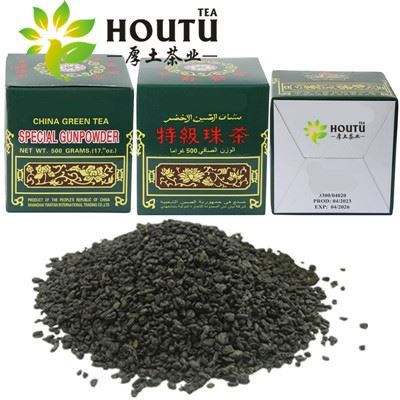
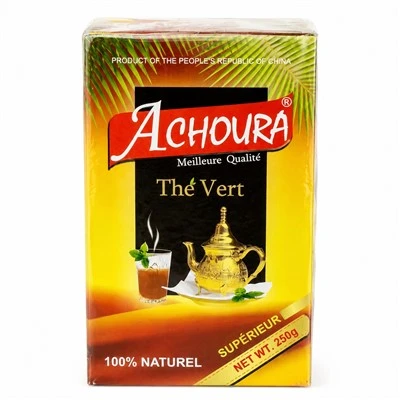
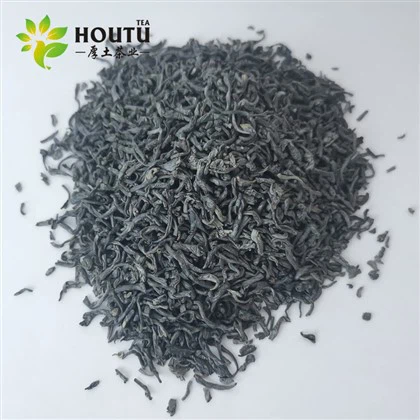
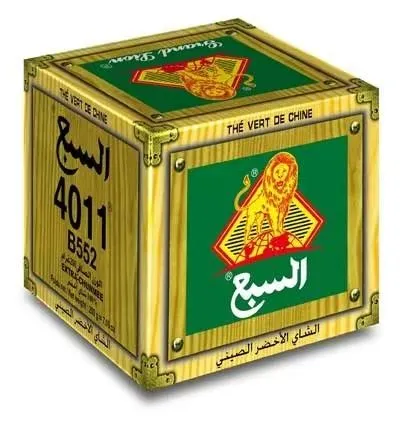
For pearl tea and eyebrow tea companies exporting to North Africa, the "foaming ability" of tea has become an indispensable sensory indicator. Preserving or enhancing the tea's foaming properties during blending not only caters to the local consumer habit of judging quality by foam, but also significantly enhances the product's integration into the daily tea-drinking scene in North Africa.
In short: In North African teapots, dense foam is not just floating foam, but the "gold standard" for measuring tea quality and brewing skills-this unique market preference adds a "visible" dimension to the evaluation of Chinese green tea's flavor.

|