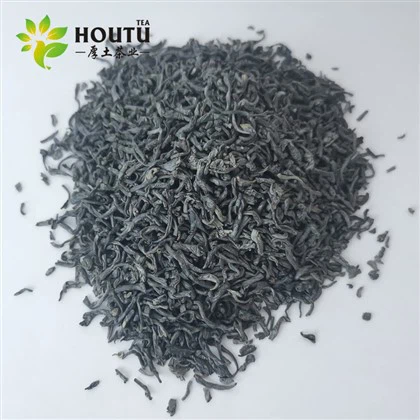
The African consumer's habit of adding sugar to tea is not because green tea is ""naturally bitter,"" but rather stems from local dietary culture and consumption habits. In fact, high-quality green tea naturally possesses a sweet aftertaste-a slightly bitter initial taste followed by a sweet aftertaste in the throat. This ""underlying sweetness"" is becoming a key selling point for high-grade teas.
The Scientific Source of Sweetness in Tea
The sweetness in tea soup mainly comes from three types of substances:
Soluble Sugars: Monosaccharides (glucose, fructose) and disaccharides (sucrose) in tea directly contribute to the sweetness. The soluble sugar content in refined green tea is approximately 4.5%–6.5%, with higher grades containing higher levels.
Theanine: Accounting for 50%–70% of the total free amino acids in tea, it has a naturally sweet taste, alleviates bitterness, enhances sweetness, and is a core contributor to the refreshing and sweet flavor of green tea.
The mechanism of aftertaste: Tea polyphenols (especially catechins) bind with salivary proteins in the mouth to form a temporary film, producing an astringent sensation; after the film ruptures, the taste buds are re-exposed, and sweet substances are perceived, creating a ""bitter first, then sweet"" taste experience.
The ""Sweet Addition Habit"" and Sugar Price Pressure in the African Market
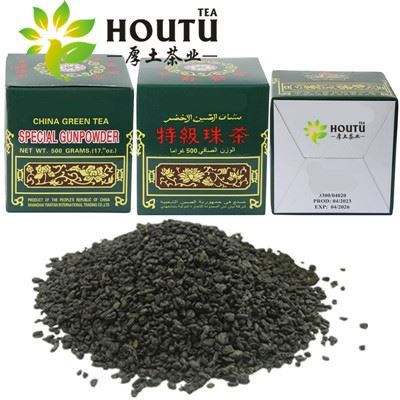
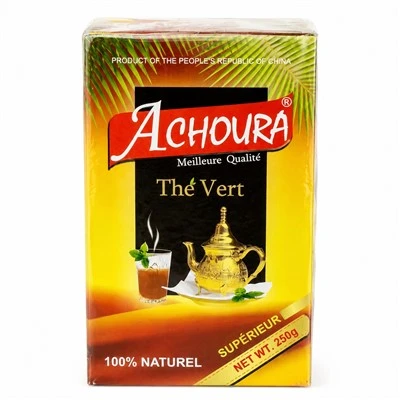
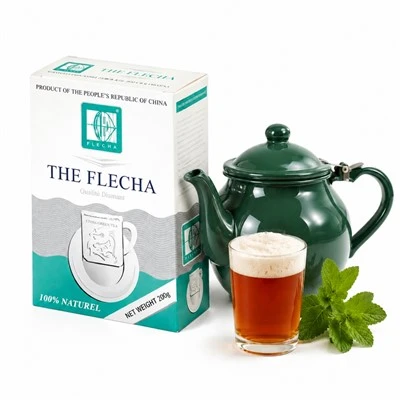
Consumers in North and West Africa commonly boil green tea with large amounts of white sugar and fresh mint, creating a strong, sweet, and refreshing national drink. This habit partly stems from cultural tradition-Moroccans believe ""one can go a day without food, but not a day without tea,"" where tea carries symbolic meaning in social interactions, and sweetness represents respect for guests.
However, against the backdrop of rising sugar prices, teas that ""reduce sugar without sacrificing flavor"" are gaining popularity among housewives. High-grade teas, due to their richer content of amino acids and soluble sugars, can achieve a mellow and sweet taste even with less sugar, which has become a competitive advantage that tea companies are actively enhancing when blending."