How Artificial Intelligence Is Reshaping the Global Tea Export Industry 🤖🍵
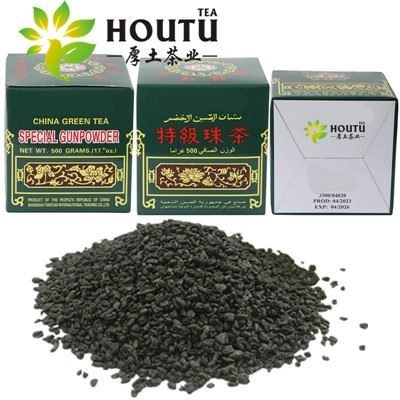
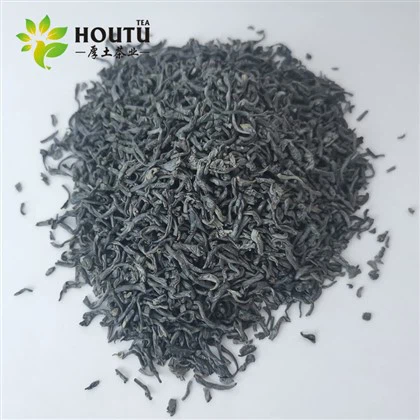
The international tea trade is being quietly transformed by artificial intelligence. From the tea factory floor to overseas customer development, AI is touching nearly every link of the export chain - and changing how bulk green tea, chunmee and gunpowder reach buyers across North Africa, Central Asia and Europe.

Smarter quality control at the source
AI-powered vision inspection systems now deliver consistent, objective grading for loose-leaf green tea and pellet-shaped gunpowder. Unlike human inspection, these systems never tire and apply the same standard to every batch. The result is fewer quality fluctuations between shipments and more stable compliance with the strict pesticide-residue rules enforced by major importing regions, reducing customs detentions and quality complaints from overseas buyers.
Breaking language and market barriers
Generative AI has removed one of the oldest obstacles in cross-border trade: language. Exporters can now produce product descriptions, inquiry replies and export documents in multiple languages within minutes. Market-analysis tools monitor global price trends, shifting consumer preferences and competitor activity, helping tea suppliers make faster, better-informed decisions instead of relying purely on experience and intuition.
AI-driven digital marketing
Search-engine optimization and content generation are also being reinvented. Intelligent keyword research helps tea manufacturers improve visibility on Google, LinkedIn and major B2B platforms, drawing in high-quality wholesale importers from around the world. Predictive tools assist with inventory planning and shipping schedules, cutting unnecessary logistics costs and improving delivery reliability.
The human element still matters
AI remains a powerful assistant rather than a full replacement for tea traders. Long-term business trust, deep product knowledge and personalized client relationships still depend on experienced professionals. The companies that most successfully combine traditional tea-trade wisdom with modern AI tools are the ones best positioned to compete in the global market in the years ahead.