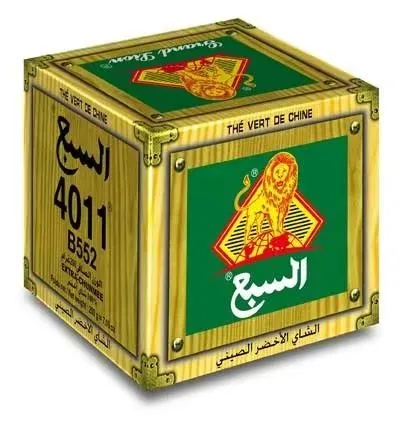
Green tea reaches the customer through a simple but carefully controlled journey from fresh leaf to finished product.

1. Growing and harvesting
Green tea begins with the leaves of Camellia sinensis. Climate, soil, tea variety and harvest season all influence the raw material. Young leaves are often used for finer teas, while more mature leaves can create stronger everyday products.
The harvest standard is chosen according to the desired appearance, taste, yield and price.
2. Preventing the leaves from oxidising too far
After harvest, green tea leaves are heated relatively early. This step limits enzymatic oxidation and helps preserve the fresh character associated with green tea. Chinese green teas are commonly pan-fired or heated in processing equipment.
3. Rolling and shaping
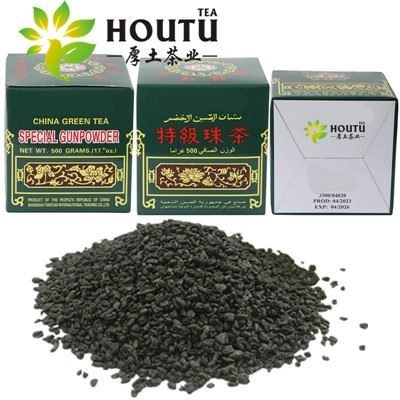
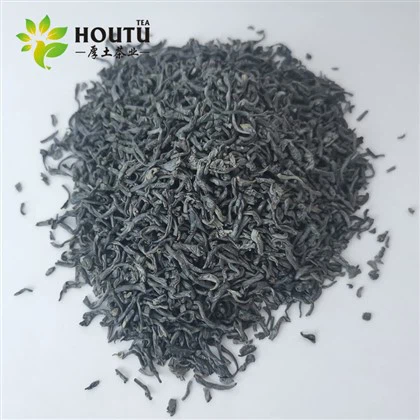
The leaves may be twisted, flattened or rolled into pellets. Shape is not only decorative. It affects the appearance, packing behaviour and the way flavour is released during brewing.
| Shape | Example | Brewing impression |
|---|---|---|
| Curved leaf | Chunmee. | Brisk and relatively quick to open. |
| Rolled pellet | Gunpowder. | Expands gradually in hot water. |
| Flat leaf | Some famous Chinese green teas. | Elegant visual presentation. |
| Smaller particles | Tea-bag or fast-infusion formats. | Quicker extraction. |
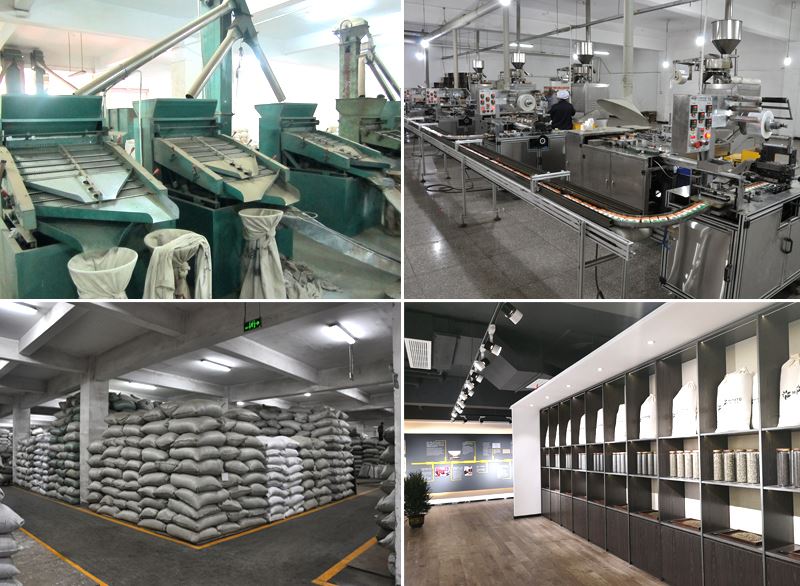
4. Drying and sorting
Drying reduces moisture and stabilises the tea. The finished leaves are then sorted by size and appearance. Different commercial grades can be created to meet different markets and price levels.
5. Tasting and quality checking
The tea is brewed and compared for colour, aroma, strength and cleanliness. Buyers may also request tests related to moisture, pesticide residues or other destination requirements.
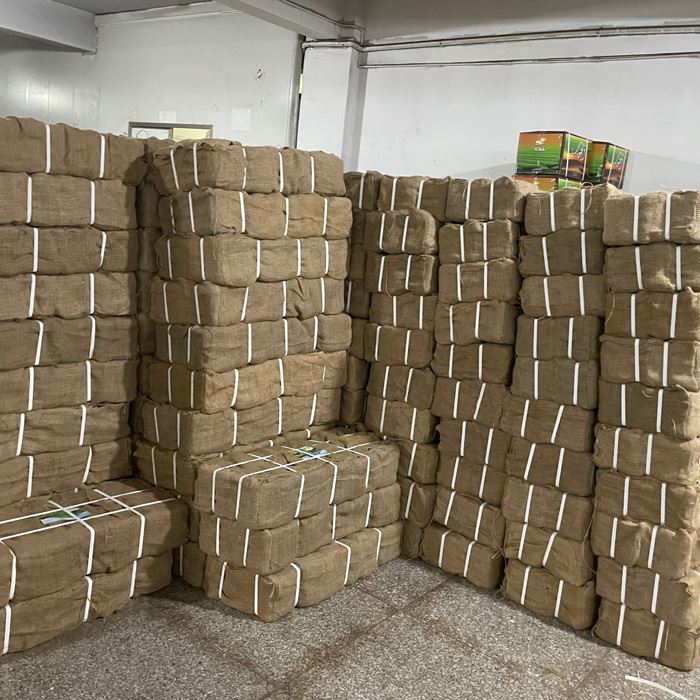
6. Packing and shipping
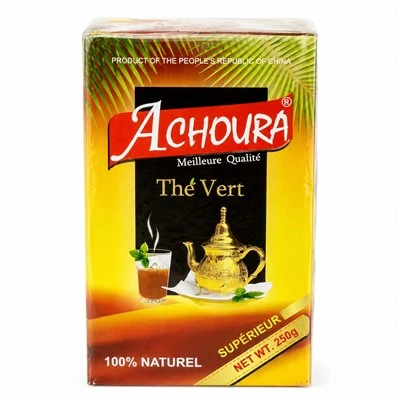
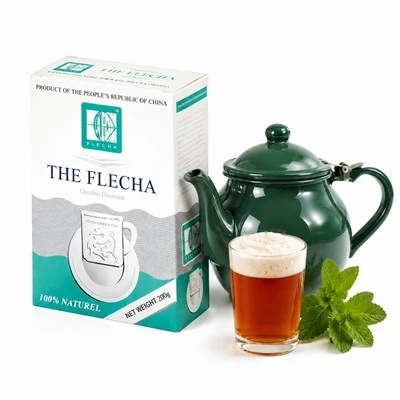
Tea must be protected from moisture, light, air and strong odours. The inner barrier, retail pack, master carton and container condition all contribute to the quality that reaches the customer.