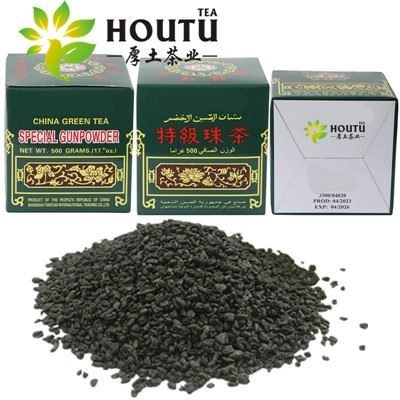
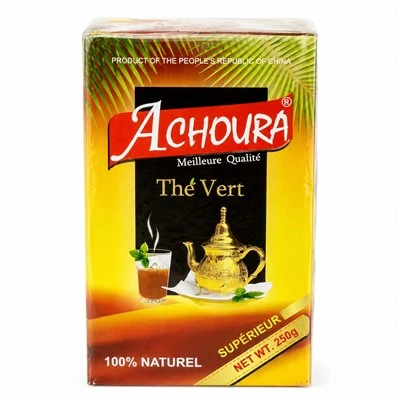
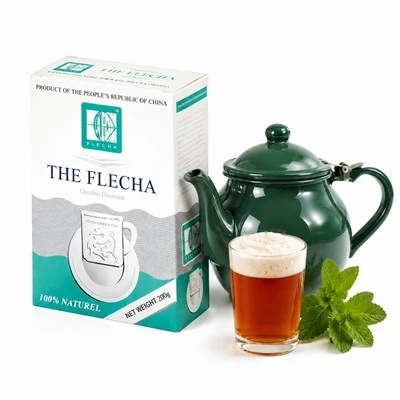
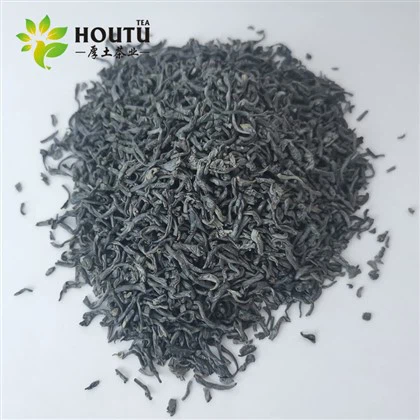
Understanding shelf life helps buyers, retailers and tea lovers protect aroma, colour and taste from the factory to the final cup.

Does green tea really expire?
Packaged green tea normally carries a production date or best-before date. This date is mainly a guide to expected quality under the stated storage conditions. Tea does not suddenly become flavourless at midnight on that date, but its aroma and fresh character may gradually weaken during storage.
The actual result depends on the tea, the package, the climate and whether the pack has been opened. Tea stored in a strong sealed barrier in a cool, dry place usually keeps its character better than tea exposed repeatedly to warm, humid air.
How freshness changes over time
Green tea is valued for a clean aroma, bright appearance and refreshing taste. As freshness declines, the dry aroma may become weaker, the colour may look duller and the cup may feel flatter or less lively. These changes are often gradual, which is why comparing an older pack with a newly opened pack can be useful.
| What to check | A fresher impression | Possible loss of freshness |
|---|---|---|
| Dry aroma | Clear, clean and recognisable. | Weak, flat or stale. |
| Leaf appearance | Natural colour for the tea style. | Noticeably dull or uneven. |
| Taste | Lively, balanced and clean. | Flat, tired or affected by foreign odours. |
The five main enemies of green tea

After opening the pack
Once a pack is opened, the tea meets fresh air and humidity each time it is used. Close it promptly, use a clean dry spoon and keep it away from the stove, sunlight and strongly scented products. Smaller retail packs can be helpful in humid markets because they are finished more quickly.
What buyers and retailers should ask
A good buying discussion should include the production date, expected shelf life, inner packaging material, carton structure and destination climate. A tea that travels through a long, humid route may need stronger protection than a product sold close to the packing location.