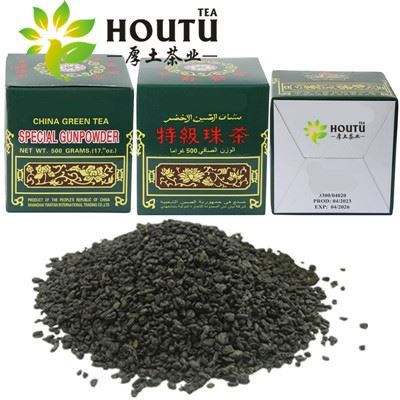
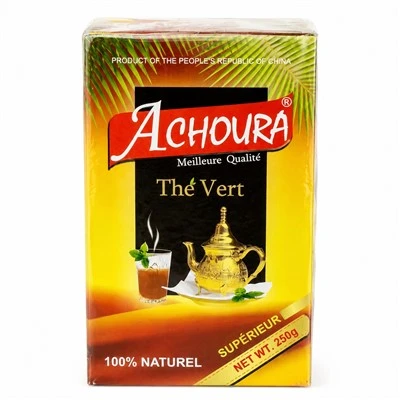
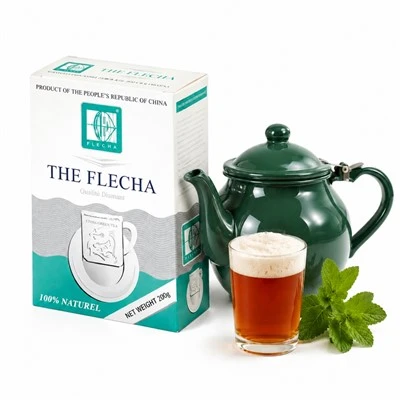
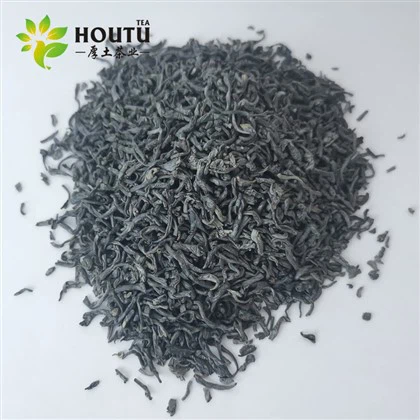
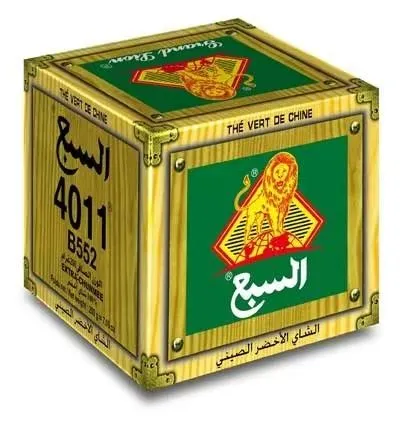
Moroccans call green tea "Moroccan Whisky"-a playful term that reveals the national status of green tea in the country: as indispensable as whiskey, as deliberate to savor, and as ubiquitous in every social occasion. This term itself is a product of cultural fusion: using a Western spirit to draw parallels with an Eastern beverage, endowing the imported tea with a new cultural identity through localization. Chinese green tea, having traveled across the ocean to Africa, was redefined by the locals-sweetened, simmered for extended periods, creating a tea culture system completely different from the traditional Chinese "brewing and drinking" method. Interestingly, this "Africanized" way of drinking tea has, in recent years, in turn, influenced tea-drinking innovation in China. In boutique milk tea shops in Shanghai and Shenzhen, "Moroccan Mint Green Tea" has become a regular on the menu-brewed green tea, fresh mint leaves, and a small amount of cane sugar, packaged as a trendy "exotic" drink. African tea ware aesthetics are also gaining attention: some Chinese home furnishing brands have begun importing Moroccan-style long-spouted copper kettles as living room decorations or tea ceremony utensils. On a cultural level, Confucius Institutes play a unique role in Sino-African tea culture exchanges. Tea ceremony courses are popular in Confucius Institutes in Morocco and Egypt, where local students learn to brew tea in gaiwans and taste different grades of green tea, gaining exposure to the tea culture of their "origin." Some African tea masters have traveled to China for short-term training and, upon returning home, promote Chinese tea ceremony performances in high-end hotels and teahouses. The two-way influence of Sino-African tea culture transcends a simple trade relationship. Tea has risen from a commodity to a carrier of culture, conveying lifestyles and aesthetic tastes between the two continents. This deep emotional bond may be the strongest trade moat.