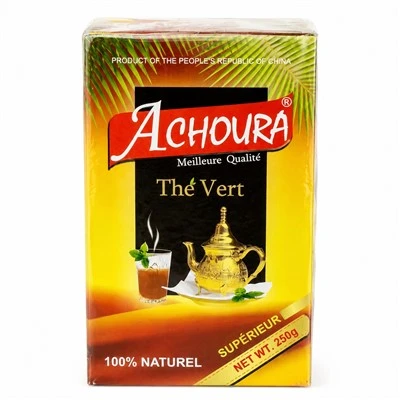
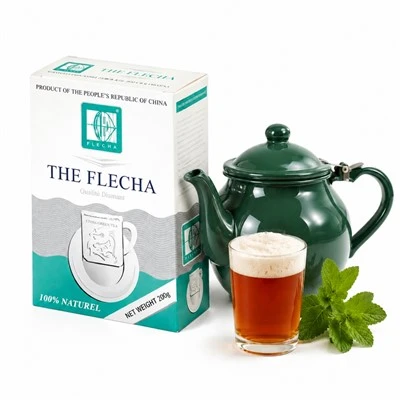
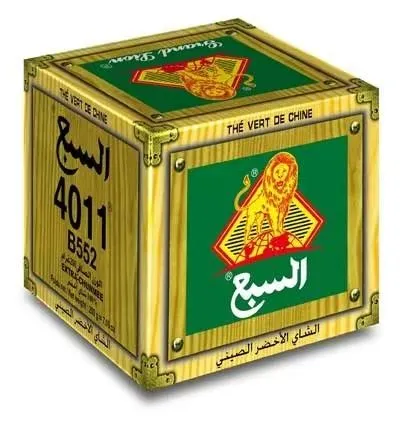
The evolution of African tea-making utensils from traditional charcoal-fired copper kettles to modern electric kettles has not only changed the way tea is brewed and the drinking experience, but has also subtly influenced the amount of tea consumed per serving. Tea companies need to adjust their product packaging design accordingly to suit usage habits in different scenarios. Traditional Utensils: Slow Cooking, Large Quantity In traditional North African households, tea is often brewed using copper or silver long-spouted kettles heated over charcoal. These kettles are known for their unique shapes and exquisite decorations, typically hand-hammered from silver or brass, featuring a slender spout and a round body. This type of utensil dictates a specific brewing method: tea leaves, sugar, and mint are placed in the kettle and slowly simmered over charcoal or a stove. The long cooking time allows for the full extraction of the tea's components, resulting in a relatively large quantity of tea used per serving, and the brewed tea is strong and rich, capable of being repeatedly boiled with added water. In Mauritania and other regions, the traditional practice is to use a specially made copper kettle heated over charcoal to brew a strong tea, which is then poured into teacups to serve guests, forming the famous ""three cups of tea"" etiquette. With urbanization, modern heating devices such as electric tea makers and induction cookers are gradually entering African urban households. Electric appliances offer more even heating and controllable time, significantly improving brewing efficiency: Shorter Brewing Time: Electric kettles heat up quickly, eliminating the need for the slow heating process of charcoal. Changes in Consumption Habits: More efficient extraction means that the same amount of tea leaves can produce a sufficiently concentrated tea, reducing the amount consumed per serving.