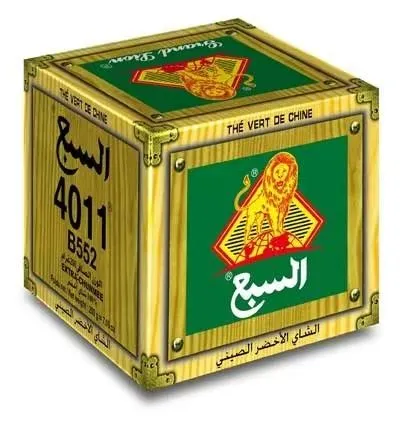
In North and West African countries, green tea is not an occasional beverage, but rather an integral part of daily life. From dawn to late at night, people brew at least three pots, sometimes as many as five, a high-frequency, essential need that forms the irreplaceable market foundation for Chinese green tea in Africa. A Daily Tea Timeline Morning (5:00-7:00 AM) • First Pot of ""Morning Tea"": For most families, the first thing they do upon waking is brew tea. Strong, piping hot tea paired with flatbread or dry food serves as both a warm drink to awaken the body and the start of the day's energy. Morning (9:00-11:00 AM) • Street ""Work Break Tea"": During work breaks, street tea stalls are bustling with people. Vendors brew tea in large pots, portion it into small cups, and sell it at low prices, providing a quick boost of hydration and energy for manual laborers. After lunch (13:00-14:00) • ""Digestive Tea"": North African cuisine is rich in meat and oil. Brewing a strong pot of tea after lunch is believed to aid digestion and cut through the richness, making it an indispensable daily ritual. Afternoon (15:00-17:00) • Social ""Three Cups of Tea"": When entertaining guests, the host serves three cups of tea-the first as gentle as life, the second as mellow as friendship, and the third as sweet as love. This is basic etiquette, and none can be omitted. After dinner until late at night (20:00-23:00) • ""Late Night Tea"": The whole family sits together, brewing tea and chatting, discussing everything from neighborhood gossip to current events, pot after pot, until late into the night. This is a bond for family emotional exchange. Consumption Data: Tea Consumption per Pot: Approximately 10-15 grams Daily Drinking Frequency: 3-5 pots/day Average Monthly Household Consumption: A family of five can consume 2-4 kilograms of green tea per month. This astonishing consumption makes green tea a necessity in North and West Africa, a necessity akin to daily necessities, rather than a dispensable commodity. Market Implications: High frequency, essential need, social connection-the consumption pattern of green tea in Africa far exceeds the scope of ordinary beverages. For tea exporting companies, understanding this ""timeline"" is crucial to truly grasping the rhythm of product positioning, packaging design, and market promotion. From the first rays of dawn to the last casual conversation of the night, the steaming heat of green tea never ceases at the spouts of African teapots-this is not just a beverage, but the rhythm of life itself.