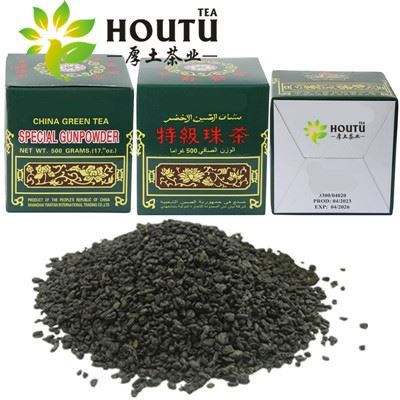
Ethiopia's tea culture is unique in Africa, as it combines the use of wild tea leaves with modern commercial tea plantations. The country's southwestern highlands are home to a large population of wild tea trees, which have been used by local communities for centuries. Traditional Ethiopian tea-drinking practices involve plucking leaves from these wild trees, drying them in the sun, and boiling them to make a strong, earthy tea.

Map of Ethiopia tea plantation.
This practice is deeply rooted in Ethiopian culture and is still widely used in rural areas today. It was not until the early 2000s that Ethiopia began to establish modern commercial tea plantations, primarily in the Gambela and Oromia regions. These plantations focus on producing green tea for export, using modern farming and processing techniques to ensure high quality. Today, Ethiopia's green tea industry is a blend of tradition and modernity, with wild tea leaves still used for domestic consumption and commercial plantations producing premium green tea for international markets. This unique combination has made Ethiopia a rising star in Africa's green tea industry, with its green tea gaining popularity in Europe and the Middle East.

Average climate and seasonal yield response pattern of clone in southwest Ethiopia.