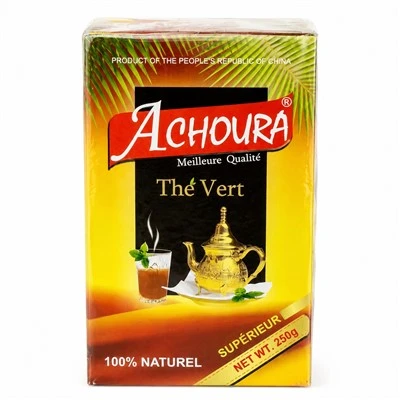
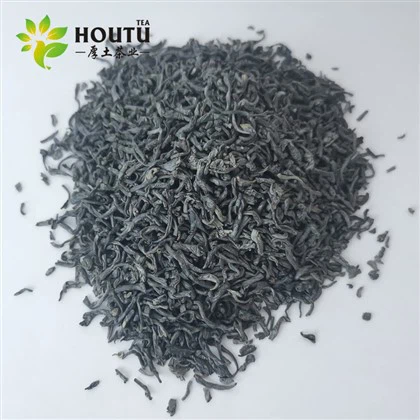
Zhejiang gunpowder tea, a major export of green tea to Africa, derives its flavor from the combined effects of local climate, annual variations, and human intervention. Altitude shapes its fresh and crisp character, while latitude and monsoons influence flavor variations from year to year. The blending techniques of tea companies are crucial for achieving consistent flavor in overseas markets.
1. Altitude and Topography: Establishing a Fresh and Crisp Base
Altitude is the primary topographical factor determining the quality and style of gunpowder teaa, primarily through temperature differences.
• High-altitude, misty mountains produce excellent tea: Zhejiang's high-quality tea regions are mostly located in mountainous areas at altitudes of 100-1000 meters. The diurnal temperature variation at high altitudes allows substances accumulated through daytime photosynthesis to be preserved by the low nighttime temperatures.
• Changes in key components: Specifically, in terms of chemical composition, tea leaves from high-altitude tea gardens have higher levels of free amino acids and a lower ratio of tea polyphenols to amino acids (phenol-amino acid ratio). This results in a fresher, sweeter, and more mellow flavor, while tea from lower altitudes or plains is more prone to bitterness.
2. Latitude and Monsoon Climate: Directing the Flavor of Each Year
Zhejiang has a subtropical monsoon climate, and the quality of green tea is essentially a chronicle of the climate. Fluctuations in temperature and rainfall from year to year directly affect the core flavor of exported gunpowder teaa:
• Warm and Humid Years: Fresh and Mellow. When temperatures are mild and rainfall is abundant, tea trees have vigorous nitrogen metabolism, increasing the amino acid content in fresh leaves while relatively lowering the polyphenol content. Gunpowder teaa from such years has a fresh, mellow, and smooth flavor.
• Drought and High Temperature Years: Strong and Astringent. In drought or high temperatures (such as summer), tea trees experience increased carbon metabolism, leading to a large accumulation of polyphenols and a decrease in amino acid content. The tea flavor becomes strong and astringent, which is a major reason why summer tea is generally inferior to spring tea.
3. Climate Adaptation and Blending: Stabilizing Export Flavor
While African consumers don't delve deeply into the climate of the producing region, their long-established taste preferences have created a tacit understanding with the style of tea from specific years-however, this "tacit understanding" is not dependent on the weather, but rather the result of proactive adjustments by tea companies.
• Stability Through Blending: Like blending whisky, exporting tea companies test the polyphenol and amino acid content of raw materials from different years and origins. Through scientific blending, they mix raw materials with different styles (fresh and mellow or strong) in appropriate proportions. The ultimate goal is to ensure that the gunpowder teaa exported to Africa maintains relative stability in taste and color year after year, meeting the expectations of a mature international market.
Summary: Altitude and micro-topography forge the "fresh and crisp" genes of Zhejiang gunpowder teaa, while the annual monsoons and rainfall leave the mark of each year in a cup of tea. Ultimately, it is the blending skills of tea companies that harmonize these flavor variations from the land and sky into a consistently delicious cup of African tea.