Hey there tea lovers! I'm a green tea supplier, and I've been knee - deep in the world of green tea for ages. One question that often pops up is, "How does green tea taste when aged?" Well, let's dive right in and find out.
Fresh Green Tea vs. Aged Green Tea
First off, let me tell you about fresh green tea. Fresh green tea has this vibrant, grassy flavor. It's like taking a bite of a freshly cut meadow. There's a sharpness to it, a zing that wakes up your taste buds. It's often light - bodied and has a lot of those fresh, vegetal notes. When you brew a cup of fresh green tea, the aroma is just captivating, filled with that clean, crisp scent that makes you feel like you're in a tea garden.
Now, aged green tea is a whole different ballgame. As green tea ages, it undergoes a series of chemical changes. The chlorophyll in the tea breaks down, which causes the grassy flavor to mellow out. The once sharp and vibrant taste becomes more rounded and smooth. It's like the tea has grown up and gained a bit of wisdom over time.
Factors Affecting the Taste of Aged Green Tea
Several things can affect how aged green tea tastes. One of the biggies is the storage conditions. If the tea is stored in a place that's too humid, it can develop a musty taste. On the other hand, if it's stored in a place that's too dry, it can lose its flavor. The ideal conditions for storing green tea to achieve that nice aged flavor are a cool, dry place with low humidity.
Another factor is the type of green tea. Some green teas are better suited for aging than others. For example, CHINA GREEN TEA CHUNMEE TEA 41022 TEA [/chain - green - tea/china - green - tea - chunmee - tea - 41022 - tea.html] has a structure that can hold up well during the aging process. Its initial flavor profile is complex enough to evolve into something really interesting over time.
The Flavor Profile of Aged Green Tea
The taste of aged green tea can be quite diverse. You might find sweet, caramel - like notes emerging as the tea ages. There could also be hints of dried fruits, like raisins or apricots. The astringency that was present in the fresh tea usually softens, making it more palatable for those who find fresh green tea too sharp.
Often, aged green tea has a richer, deeper flavor. It's as if all the flavors have had time to meld together and create a symphony of taste on your palate. The aroma also changes. It becomes more complex, with a warm, earthy undertone mixed with those subtle sweet notes.
Comparing Different Brands of Aged Green Tea
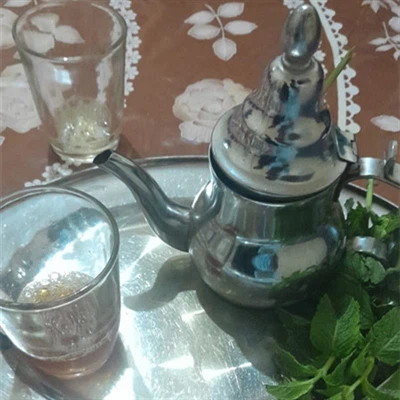
Let's take a look at Sultan atay Moroccan Mint Green Tea [/chain - green - tea/maroc - sultan - green - tea - leaves.html]. When this green tea is aged, the mint flavor becomes more integrated with the base tea. Instead of a sharp, fresh minty kick, you get a more nuanced, smooth minty flavor that combines beautifully with the aged tea's sweetness.
In contrast, the CHINA GREEN TEA CHUNMEE TEA 41022 TEA, when aged, develops those lovely caramel and dried - fruit notes we talked about earlier. It's a much more earthy and sweet - leaning flavor profile compared to the Moroccan Mint Green Tea.
Health Benefits of Aged Green Tea
Apart from tasting great, aged green tea also has some health benefits. Check out this link for more info on the general health benefits of green tea: Health Benefits Of Green Tea [/chain - green - tea/health - benefits - of - green - tea.html]. As green tea ages, some of the antioxidants become more concentrated. These antioxidants can help protect your cells from damage, reduce inflammation in the body, and even boost your metabolism.


There's also some evidence to suggest that aged green tea might be easier on the stomach for some people. The mellowed - out flavor and reduced astringency mean that it's less likely to cause that upset feeling that some people get from fresh green tea.
Brewing Aged Green Tea
Brewing aged green tea is a bit different from brewing fresh green tea. You'll want to use water that's a little cooler, around 175 - 185°F (80 - 85°C). This helps to bring out the delicate flavors without making the tea too bitter. Steep the tea for a bit longer than you would fresh green tea, about 3 - 5 minutes.
The ratio of tea to water also matters. For aged green tea, you might want to use a little more tea leaves than you would for fresh tea. This helps to extract all those rich, complex flavors.
Why You Should Try Aged Green Tea
If you're a green tea lover, trying aged green tea is like opening a new chapter in your tea - drinking journey. It's a whole new experience that takes the familiar green tea flavor and transforms it into something extraordinary. Whether you're looking for a new taste sensation or want to reap the health benefits of a more mellow tea, aged green tea is definitely worth a try.
As a green tea supplier, I've seen firsthand how much people enjoy exploring the world of aged green tea. I've got a wide range of aged green teas in my inventory, from the classic CHINA GREEN TEA CHUNMEE TEA 41022 TEA to the unique Sultan atay Moroccan Mint Green Tea.
If you're interested in trying out aged green tea or want to learn more about our products, I'd love to have a chat with you. Whether you're a small tea shop owner looking to add some aged green teas to your menu or an individual tea enthusiast wanting to expand your collection, I'm here to help. Just reach out, and we can start a conversation about finding the perfect aged green tea for you.
References
- General knowledge of green tea aging from years of experience in the green tea supply business.
- Research on the health benefits of green tea from various scientific journals and studies.