Do tea bags contain caffeine?
As a tea bag supplier, I often get asked whether tea bags contain caffeine. It's a valid question, especially for those who are sensitive to caffeine or trying to limit their intake. In this blog post, I'll delve into the topic of caffeine in tea bags, exploring the factors that influence caffeine content and providing some insights for tea enthusiasts.
First and foremost, it's important to understand that tea is derived from the Camellia sinensis plant, which naturally contains caffeine. This means that most tea bags, regardless of the type of tea, will have some amount of caffeine. However, the caffeine content can vary significantly depending on several factors, including the type of tea, the processing method, and the brewing time.
Let's start by looking at the different types of tea. There are four main types of tea: black, green, oolong, and white. Black tea is the most oxidized, followed by oolong, green, and white tea. The oxidation process affects the caffeine content, with black tea generally having the highest amount of caffeine, followed by oolong, green, and white tea. This is because the oxidation process breaks down the caffeine in the tea leaves, resulting in a higher concentration in black tea.
For example, a typical cup of black tea brewed for 3-5 minutes can contain anywhere from 40-70 milligrams of caffeine, while a cup of green tea brewed for the same amount of time may contain 20-45 milligrams of caffeine. White tea, on the other hand, is the least oxidized and generally has the lowest caffeine content, with a cup of white tea containing around 15-30 milligrams of caffeine.
Another factor that can influence the caffeine content in tea bags is the processing method. Some tea bags are made from whole tea leaves, while others are made from tea dust or fannings. Whole tea leaves generally have a higher caffeine content than tea dust or fannings because they are less processed and retain more of the natural caffeine in the tea leaves.
In addition to the type of tea and the processing method, the brewing time can also affect the caffeine content in tea bags. The longer you steep the tea, the more caffeine will be released into the water. For example, if you steep a black tea bag for 3 minutes, you may get around 40 milligrams of caffeine, but if you steep it for 5 minutes, you may get closer to 70 milligrams of caffeine.

It's also worth noting that some tea bags may be labeled as "caffeine-free" or "decaffeinated." These teas have had the caffeine removed through a process called decaffeination. There are several methods of decaffeination, including the use of solvents, carbon dioxide, and water. While decaffeinated teas still contain a small amount of caffeine, they generally have less than 2 milligrams of caffeine per cup.
So, do tea bags contain caffeine? The answer is yes, most tea bags do contain caffeine. However, the amount of caffeine can vary depending on the type of tea, the processing method, and the brewing time. If you're sensitive to caffeine or trying to limit your intake, it's important to choose a tea with a lower caffeine content and to control the brewing time.
At our company, we offer a wide range of tea bags to suit different tastes and preferences. Whether you're a fan of black tea, green tea, oolong tea, or white tea, we have a tea bag for you. Our tea bags are made from high-quality tea leaves and are carefully selected to ensure the best flavor and aroma.
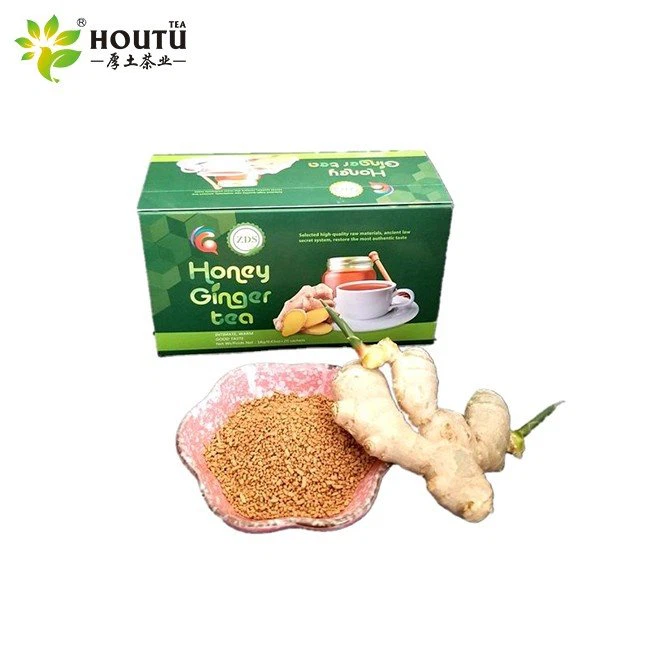
If you're interested in our tea bags, we invite you to explore our product range. We offer a variety of tea bags, including Honey Ginger Powder Instant Tea OEM Brand with factory price, Pure Green Tea Tea Bag, and Instant Tea Honey Ginger Lemon Powder Tea. Our tea bags are available in different sizes and packaging options to meet your needs.
If you have any questions or would like to discuss your tea bag requirements, please don't hesitate to contact us. We're here to help you find the perfect tea bag for your business or personal use.
References
- "The Chemistry of Tea." ScienceDirect.
- "Caffeine Content in Tea." Tea Association of the USA.
- "Decaffeination of Tea." Journal of Agricultural and Food Chemistry.