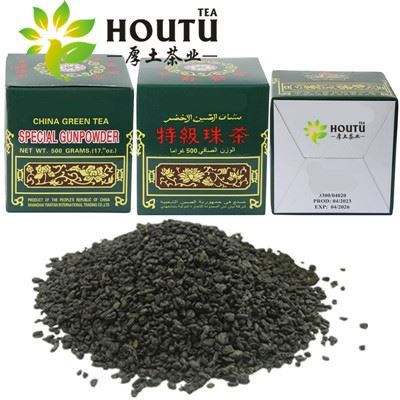
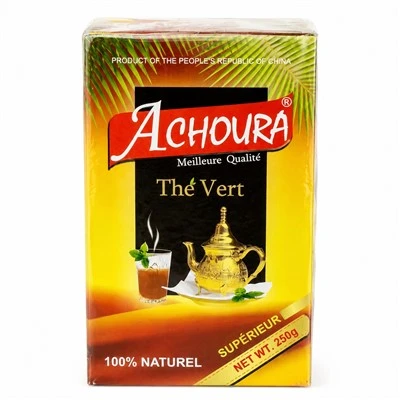
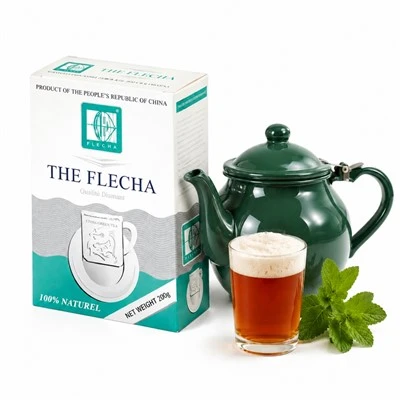
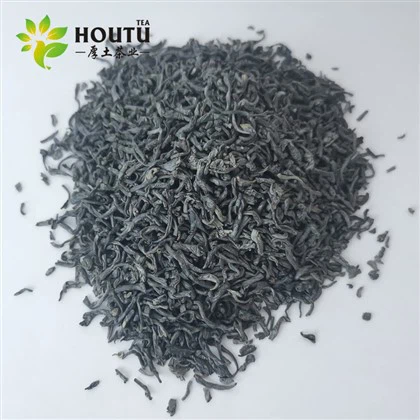
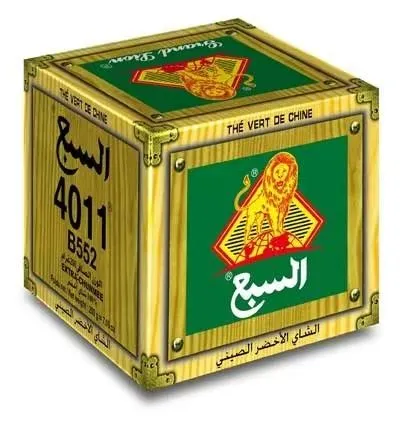
For West African green-tea buyers, the case is relevant even outside the EU: local rules and customer trust still require accurate composition. A low-price, unnaturally bright tea deserves stronger inspection.
A "not serious" assessment does not remove the compliance failure. Colour additives can create legal, authenticity and brand risks, particularly when a product is marketed as pure tea or naturally green.
Buyers should require ingredient declarations, additive controls and authenticity checks. Bright appearance should never substitute for cup quality, and suppliers must explain any processing aid or colour treatment allowed in the destination market.
- Require a signed no-added-colour declaration
- Audit ingredient and processing records
- Inspect unusual appearance
- Apply destination-specific additive rules
Market statistics should guide questions, timing and risk controls; they should not be copied into a contract as though they were live quotations. Grade, moisture, packing, inspection, payment, freight, duty and local delivery must be normalised before comparing suppliers.
Before approval, the buyer should save the offered specification, reference sample, laboratory scope, packing configuration and freight validity in one comparison record. This turns a news signal into an auditable purchase decision and prevents later changes from being mistaken for the original offer.
For specification matching, samples, private-label packing and shipment planning, contact Sophie at jessie@hoututea.com or WhatsApp +86 18888798057.