BUYER Q&A · NEWS 96
US Tariff Relief for Tea Reopens Pricing and Product Conversations in the North American Market
World Trade Organization News Harvest · 2025-12-11
"Removing an extra tariff can reopen a market discussion, but success still depends on compliance, product fit and distribution."
Why readers are asking about this: The United States exempted tea and a range of other food products from additional tariffs introduced earlier, easing one layer of uncertainty for importers and suppliers serving the market.
Q. What exactly happened?
Tariffs influence landed cost, retail price and supplier choice. When an additional tariff is removed, importers may reconsider products that became uneconomic or delay planned price increases. The benefit can vary by origin, product code and contract timing, so businesses need to check the exact customs treatment rather than rely on a general news headline.
Q. Why is this more than a headline?
Tea is a mature but segmented US category. Premium loose leaf, matcha, functional blends, iced tea and value tea bags serve different buyers. Tariff relief does not guarantee demand for every product, and logistics, FDA-related requirements, labelling and marketing costs can remain more important than the tea price.
Q. Where does the commercial impact appear?
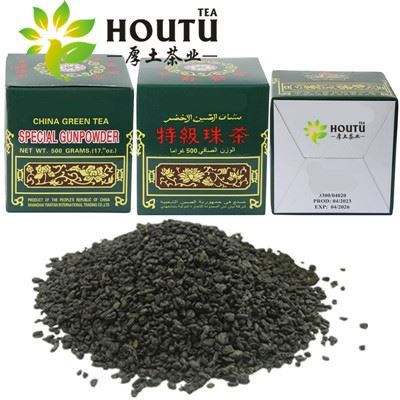
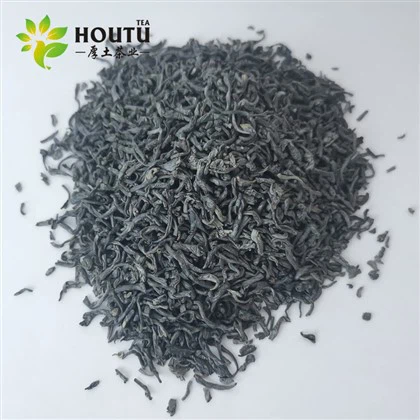
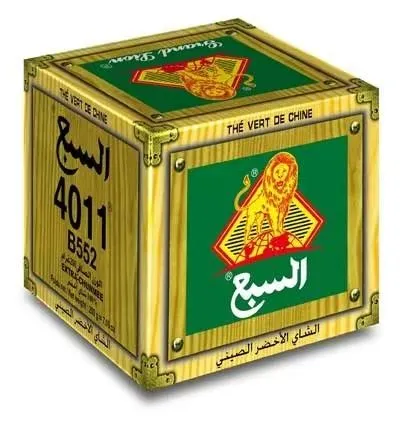
For Chinese green-tea suppliers, the change may support renewed discussions for jasmine tea, Chunmee, Gunpowder, powders or private label. The right opportunity is a customer with a clear channel and specification, not simply a shipment diverted from another market.
Q. What should a West African buyer do differently?
West African buyers are not directly affected by US customs treatment, but global demand can influence supplier allocation and product development. If North American buyers increase interest in certain green-tea formats, factories may invest in those lines or prioritise higher-margin orders.
Q. What should be watched next?
Trade policy can change again. Companies should treat the relief as a window for disciplined market development rather than a permanent guarantee and should confirm current tariff classification before contracting.
Questions to put to a supplier
✓
Confirm the HS code and current tariff treatment with a customs professional.
✓
Build a US-specific compliance and label checklist.
✓
Choose a product aligned with an actual distributor or channel.
✓
Do not base long-term pricing on one temporary policy announcement.
Turn this market signal into a practical tea offer
Sophie can help with US-market tea specifications, samples and private-label preparation, including grade comparison, sample planning, packaging options and realistic shipment timing for West African markets.
A disciplined way to use this information
The practical value of this development lies in connecting Tea was included among exempted food products with Tariff relief lowers one cost layer. A buyer should not react to the headline alone. The useful response is to identify which part of the current specification, contract, stock plan or packaging programme is genuinely exposed, and which part remains stable.
Before changing a supplier or grade, the purchasing team should confirm the hs code and current tariff treatment with a customs professional. and build a us-specific compliance and label checklist.. The decision should then be reviewed against the next market update: Trade policy can change again. Companies should treat the relief as a window for disciplined market development rather than a permanent guarantee and should confirm current tariff classification before contracting. This approach keeps market intelligence connected to cup quality, cash flow, compliance and repeat sales rather than turning every new report into an unnecessary purchasing change. It also gives sales teams a clearer explanation for distributors: what has changed, what has not changed, and why the proposed tea, pack or delivery plan remains commercially sensible.
Source basis: World Trade Organization News Harvest. This HOUTU TEA article summarises public information and adds commercial interpretation for international tea buyers.
View the original source.