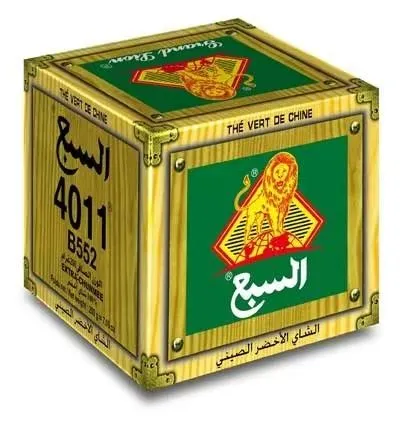
The shipment is not finished when the tea is packed; it is finished when the customer opens a clean, dry and recognisable product.
ISO's tea standards include performance specifications for sacks used in palletised and containerised transport, highlighting that moisture, strength, odour and handling can change a good tea before arrival.
Tea absorbs moisture and odours easily. A bag or liner that performs well in a dry warehouse may fail during a long sea voyage, port delay or humid inland transport. Tears, weak seams and poor palletisation can expose tea to contamination even when the leaf left the factory in good condition.
|
FIRST READING
Tea transport packaging has dedicated standards
|
SECOND READING
Container humidity and handling can damage quality
|
DECISION
Packaging choice should match route, climate and product value
|
Transport packaging must balance barrier protection, strength, cost and handling. Bulk sacks, cartons, liners and retail packs each have different failure points. The best design depends on shipment size, container loading, expected humidity and how the importer will store and distribute the product.
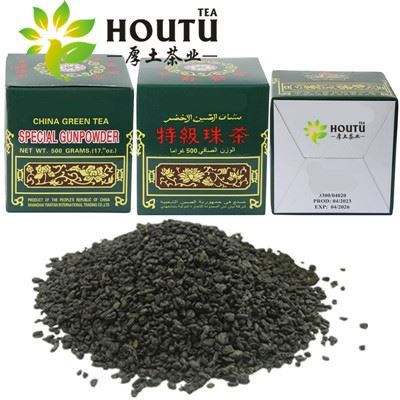
Buyers often focus intensely on the tea sample and treat outer packing as a minor detail. Yet a small saving on liner thickness or carton strength can create far larger losses through wet product, crushed boxes or rejected retail packs. Packaging specifications should be approved with the tea, not after the order is confirmed.
A note for West African buyers
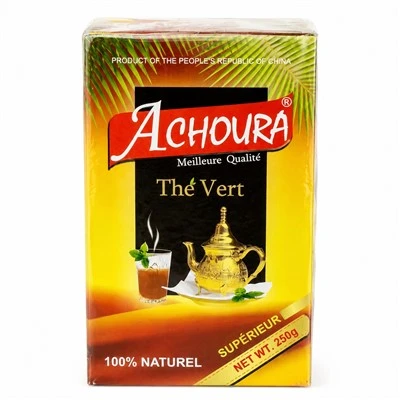
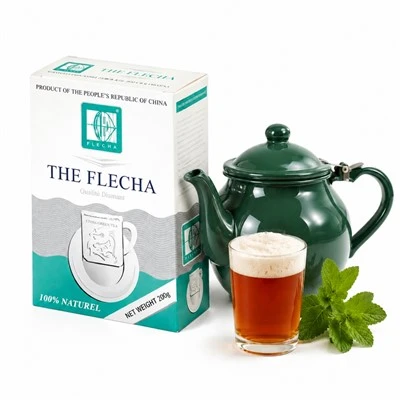
West African routes can include sea transport, port storage, high humidity and long inland journeys. Moisture control, container inspection and strong master cartons are therefore part of product quality. Small branded packs also need protection from compression and heat.
Climate volatility and shipping delays will make transport performance more important. Importers should document packaging failures and use them to improve the next specification rather than accepting damage as unavoidable.
Before the next order
The practical value of this development lies in connecting Tea transport packaging has dedicated standards with Container humidity and handling can damage quality. A buyer should not react to the headline alone. The useful response is to identify which part of the current specification, contract, stock plan or packaging programme is genuinely exposed, and which part remains stable.
Before changing a supplier or grade, the purchasing team should inspect containers for moisture, odour and structural damage before loading. and specify inner barriers, sack or carton strength and pallet method.. The decision should then be reviewed against the next market update: Climate volatility and shipping delays will make transport performance more important. Importers should document packaging failures and use them to improve the next specification rather than accepting damage as unavoidable. This approach keeps market intelligence connected to cup quality, cash flow, compliance and repeat sales rather than turning every new report into an unnecessary purchasing change. It also gives sales teams a clearer explanation for distributors: what has changed, what has not changed, and why the proposed tea, pack or delivery plan remains commercially sensible.