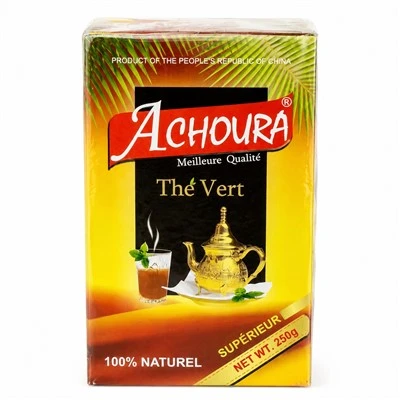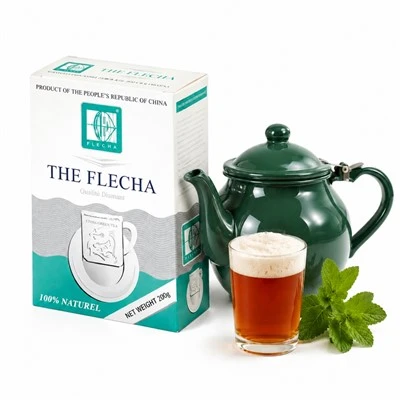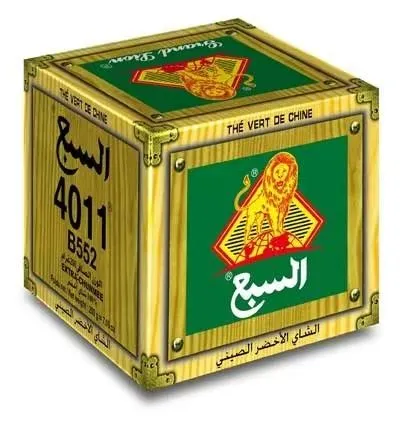
For West African markets, the choice depends on duty treatment, local factory capability and pack-size economics. A landed-cost comparison should include packaging waste rules and local labour.
Packeted tea exceeding bulk reinforces Sri Lanka's value-added orientation. The format can capture brand and packaging value but also raises unit cost, artwork, registration and minimum-order considerations for private-label buyers.
- Compare origin-pack and local-pack scenarios
- Include packaging duty and waste fees
- Check artwork lead time
- Model freight per retail pack
Importers should decide whether origin packing creates enough quality control or brand advantage to offset freight cube, packaging cost and reduced flexibility. Bulk purchase with destination packing may still be better for high-volume local brands.
Market statistics should guide questions, timing and risk controls; they should not be copied into a contract as though they were live quotations. Grade, moisture, packing, inspection, payment, freight, duty and local delivery must be normalised before comparing suppliers.
Before approval, the buyer should save the offered specification, reference sample, laboratory scope, packing configuration and freight validity in one comparison record. This turns a news signal into an auditable purchase decision and prevents later changes from being mistaken for the original offer.
For specification matching, samples, private-label packing and shipment planning, contact Sophie at jessie@hoututea.com or WhatsApp +86 18888798057.