The decision in one sentence
Kenya's specialty-tea licensing framework requires feasibility, finance, grower information and market planning, recognising that new machinery is commercially weak without a defined buyer and product route.
|
SIGNAL
Specialty factory proposals require feasibility and market planning
|
COMMERCIAL EFFECT
Additional capacity needs an identified leaf source
|
BUYER PRIORITY
Product diversification must be connected to demand
|
Evidence behind the signal
Tea factories can be tempted to invest in specialty equipment because premium prices look attractive. Yet small batches, different processing skills and slower market conversion can leave equipment underused. A feasibility study forces the investor to examine leaf supply, technical capability, working capital and target markets before construction.
The requirement for a marketing plan is especially important. Specialty tea cannot rely on a bulk auction system in the same way as mainstream CTC. The factory needs samples, product descriptions, buyer follow-up and realistic minimum quantities. The sales cycle may involve months of testing before a repeat order appears.
What a serious importer should decide
For importers, this means new specialty offers should be examined for continuity. Ask whether the factory has made the product over several seasons, how much suitable leaf is available and whether the offer depends on one experimental batch. A beautiful sample without repeat capacity can become a liability after a successful launch.
West Africa reading
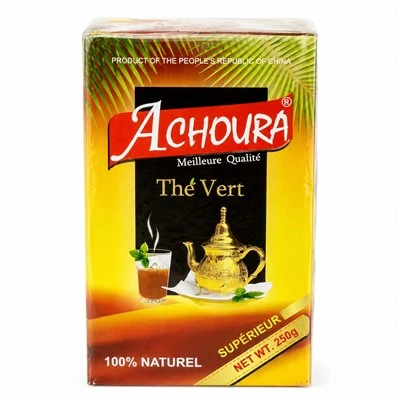
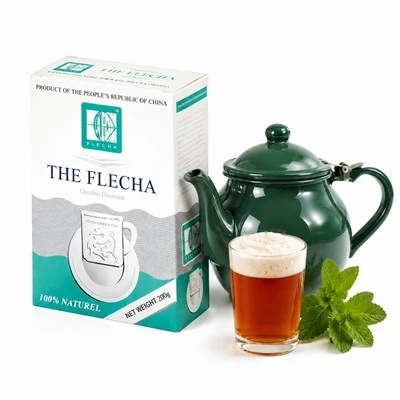
West African buyers can apply the same discipline when developing a new Chinese green-tea grade or flavoured product. Before printing packaging, confirm the supply route, minimum production, target price and consumer channel. Product development should begin with the market and work backward to production.
The next phase of specialty tea will reward factories and buyers that co-develop products over several cycles. Short-term opportunistic offers may remain available, but they are less suitable for building a consumer brand.
The practical value of this development lies in connecting Specialty factory proposals require feasibility and market planning with Additional capacity needs an identified leaf source. A buyer should not react to the headline alone. The useful response is to identify which part of the current specification, contract, stock plan or packaging programme is genuinely exposed, and which part remains stable.
Before changing a supplier or grade, the purchasing team should ask for realistic annual and repeat-batch capacity. and confirm the leaf source and processing season.. The decision should then be reviewed against the next market update: The next phase of specialty tea will reward factories and buyers that co-develop products over several cycles. Short-term opportunistic offers may remain available, but they are less suitable for building a consumer brand. This approach keeps market intelligence connected to cup quality, cash flow, compliance and repeat sales rather than turning every new report into an unnecessary purchasing change. It also gives sales teams a clearer explanation for distributors: what has changed, what has not changed, and why the proposed tea, pack or delivery plan remains commercially sensible.