Revitalizing Zhejiang Gunpowder Tea Export Market
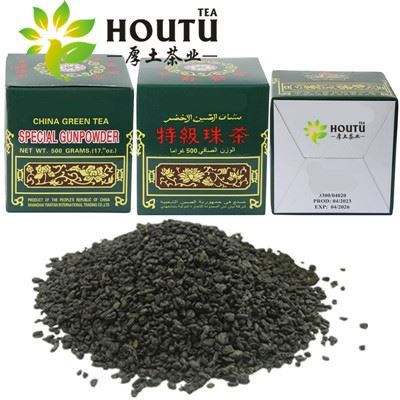
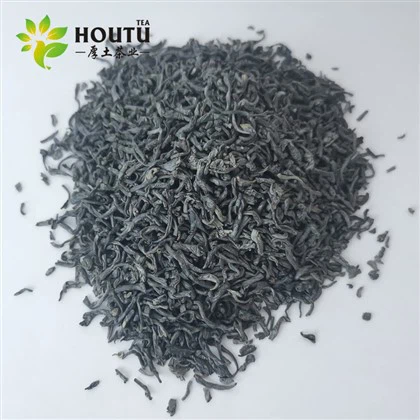
Tea is Zhejiang's most distinctive and advantageous historical industry. For many years, Zhejiang's tea exports have consistently ranked first in the country. In 2025, Zhejiang's tea exports achieved a "red-hot" year, with an export value of 3.91 billion yuan and an export volume of 185,000 tons, representing increases of 18.7% and 18.4% respectively, setting a new record. Among them, green tea accounted for 97.4% of the export value and 97.8% of the export volume; Gunpowder tea and Chunmee tea together accounted for about 80% of the province's green tea exports. A survey of several tea exporting companies in Zhejiang Province showed that the export volume ratio of Gunpowder tea to eyebrow tea was approximately 1:2. Pearl tea, as a traditional advantageous export commodity of Zhejiang, once "dominated," but in recent years, due to vicious competition and other reasons, its export volume has shrunk.
1. Optimize Product Structure and Enhance Quality and Added Value
• Quality Upgrade: Promote "green planting + standardized processing," build internationally certified standard tea gardens, promote mechanized varieties (Zhongcha 108, Longjing 43), and strengthen pesticide residue control and quality traceability.
• Product Innovation: Develop light-aroma and tightly rolled pearl teas to suit the different tastes of West Africa and Central Asia.
• Grading and Pricing: Implement "higher quality, higher price," introduce a 3505 special grade, first grade, and second grade grading system, widen the price gradient, and move away from low-price competition.
2. Promote Industry Integration and Strengthen Leading Enterprises
• Enterprise Restructuring: Cultivate 10 leading pearl tea companies with exports exceeding 100 million yuan to increase industry concentration.
• Digital Transformation: Promote intelligent color sorting, electrostatic impurity removal, and automated aroma enhancement equipment; build digital workshops to achieve full-process control from raw leaf input to finished product output, with a daily processing capacity of 100,000 kg of raw leaves.
• Integrated Primary and Refined Processing: Streamlining the entire supply chain from planting, primary processing, refining, blending, to export, shortening production cycles, reducing costs, and improving quality stability.
3. Expanding into Diversified Markets and Reducing Reliance on a Single Market
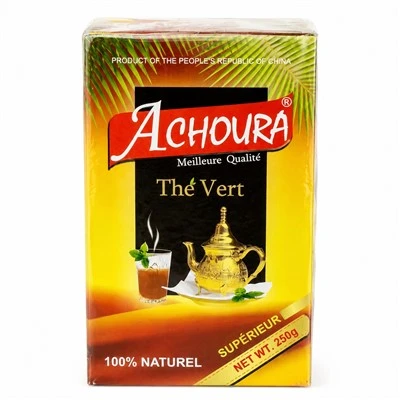
• Deepening Traditional Markets: Consolidating the foundation in Morocco and West Africa, leveraging Sino-African cooperation and zero-tariff benefits to increase market share.
• Exploring Emerging Markets: Expanding into RCEP member countries (Malaysia, Indonesia), the EU, Russia, and other markets. The RCEP market is projected to grow by 27.3% in the first half of 2026.
• Channel Innovation: Establishing overseas warehouses and local packaging plants to shorten the supply chain and improve response speed; expanding B2B channels through cross-border e-commerce and overseas exhibitions.
4. Strengthening Brand Building and Creating an International Brand
• Constructing a Brand System: Building a three-tiered system for "Pingshui Pearl Tea"-regional public brand + corporate brand + product brand-and strengthening geographical indication protection.
• International Promotion: Organizing overseas promotional activities, participating in international tea expos, telling the story of pearl tea's history and culture, and enhancing international awareness.
• Compliant Operation: Improve the export compliance system to meet the pesticide residue, labeling, and certification requirements of target markets and mitigate trade risks.
5. Strengthen Policy Support and Optimize the Development Environment
• Financial Support: Strive for provincial pilot funds for high-quality local specialties to support tea garden renovation, equipment upgrades, and brand building.
• Customs Clearance Facilitation: Implement the "Ten Opinions on Supporting Zhejiang Tea Exports," open a green channel for exports, provide "one-on-one" customs clearance services, and achieve "immediate inspection upon declaration and release upon qualification."
Risk Protection: Increase export credit insurance subsidies to support enterprises in coping with international market risks.