|
OPENING
Orthodox about 50% of specialty output
|
CONVERSION BARRIER
Green tea about 40% of specialty output
|
BEST-FIT BUYER
Purple, white and other teas broaden the offer
|
Why the opportunity exists
Kenyan tea is usually associated with CTC black tea, yet specialty manufacturing uses different leaf standards, oxidation levels and equipment. Orthodox, green, purple and white teas target different buyers and can carry higher prices when quality and story are strong.
Diversification reduces dependence on one auction category, but it also increases technical and commercial demands. Factories need to manage smaller batches, protect identity, develop samples and explain unfamiliar products. Buyers need to understand whether the style is genuinely differentiated or merely renamed for marketing.
Where value can actually be captured
For importers, a wider origin portfolio can be useful for blending, hospitality and premium retail. The opportunity should be evaluated by cup performance and repeat availability. Small specialty volumes may sell well in a test but become difficult to replenish if the factory prioritises large CTC production.
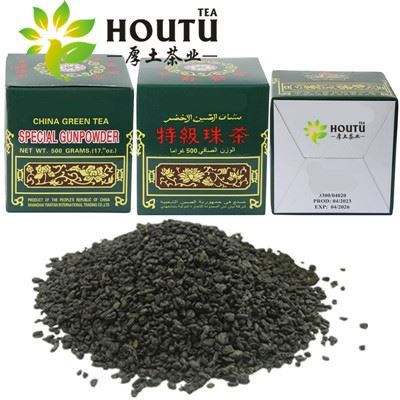
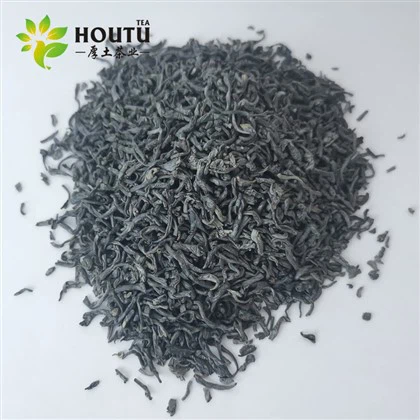
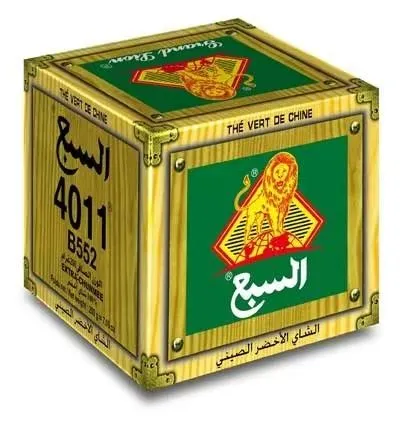
West African consumers already know strong green tea, but Kenyan green tea will not automatically match Chinese Chunmee in bitterness, shape, price or brewing endurance. It may serve a niche, while Chinese green tea remains the benchmark for traditional preparation. Product comparison must respect these functional differences.
Four execution lanes
The practical value of this development lies in connecting Orthodox about 50% of specialty output with Green tea about 40% of specialty output. A buyer should not react to the headline alone. The useful response is to identify which part of the current specification, contract, stock plan or packaging programme is genuinely exposed, and which part remains stable.
Before changing a supplier or grade, the purchasing team should compare specialty teas blind under the same brewing method. and confirm repeat volume and production season before launch.. The decision should then be reviewed against the next market update: The global specialty trend will encourage more origins to enter categories once associated with a few countries. Buyers will need clearer vocabulary, standard samples and honest end-use descriptions to avoid confusion. This approach keeps market intelligence connected to cup quality, cash flow, compliance and repeat sales rather than turning every new report into an unnecessary purchasing change. It also gives sales teams a clearer explanation for distributors: what has changed, what has not changed, and why the proposed tea, pack or delivery plan remains commercially sensible.