The rule behind the headline
Many tea sectors face the same trap: increasing leaf output without creating enough demand for the resulting grade. The scheme tries to address this by supporting plantation development, small-grower organisation, factory improvement, promotion and value-added products. That integrated approach is commercially more realistic than a production-only policy.
Value addition can include better sorting, specialty manufacture, tea bags, flavours, packaging and branding. It can also mean better information-clear specifications, traceability and market feedback. The goal is not necessarily to make every tea premium. A well-designed economical product can add value by delivering the correct strength consistently and reducing waste in the supply chain.
|
WHO IS AFFECTED
Scheme supports productivity and quality
|
WHY NOW
Small growers are encouraged to move up the value chain
|
PROOF NEEDED
Value addition and export market share are explicit objectives
|
Commercial interpretation
Buyers should watch how public support changes supplier capability. Equipment subsidies or training may improve quality, but the improvement must be verified through samples and performance. A supplier may purchase machinery without changing quality discipline, while another may use modest equipment very effectively.
| Compliance and execution checklist | |
|---|---|
| 1 | Evaluate value addition by consumer benefit, not packaging cost alone. |
| 2 | Link factory investment to measurable quality outcomes. |
| 3 | Build product tiers for different channels and budgets. |
| 4 | Use market feedback to adjust secondary specifications without damaging the cup. |
What it means for West African tea business
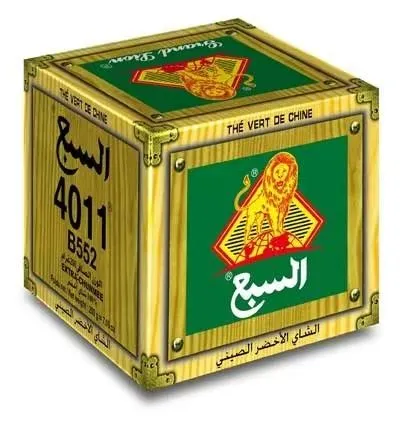
West African importers can apply the scheme's logic when developing Chinese green tea. First define the target consumer and retail price; then choose a grade, pack and distribution structure that preserve the drinking experience. Adding a more expensive tea without fixing packaging or channel economics does not create sustainable value.
Future tea competition will increasingly be between complete market propositions rather than sacks of leaf. Importers who combine product knowledge, brand protection and route-to-market discipline will be better positioned than buyers who change suppliers only for a small price difference.
The practical value of this development lies in connecting Scheme supports productivity and quality with Small growers are encouraged to move up the value chain. A buyer should not react to the headline alone. The useful response is to identify which part of the current specification, contract, stock plan or packaging programme is genuinely exposed, and which part remains stable.
Before changing a supplier or grade, the purchasing team should evaluate value addition by consumer benefit, not packaging cost alone. and link factory investment to measurable quality outcomes.. The decision should then be reviewed against the next market update: Future tea competition will increasingly be between complete market propositions rather than sacks of leaf. Importers who combine product knowledge, brand protection and route-to-market discipline will be better positioned than buyers who change suppliers only for a small price difference. This approach keeps market intelligence connected to cup quality, cash flow, compliance and repeat sales rather than turning every new report into an unnecessary purchasing change. It also gives sales teams a clearer explanation for distributors: what has changed, what has not changed, and why the proposed tea, pack or delivery plan remains commercially sensible.