India’s July Bought-Leaf Factory Prices Span ₹111.83 in Nilgiris To ₹302.83 in Nagaland

Aug 24, 2026

Leave a message

Sophia Xu
Sophia Xu
Sophia is an experienced tea taster at Shengzhou Houtu Tea Co., Ltd. She has a sharp palate and can accurately evaluate the taste and quality of various green teas, providing valuable opinions for the company's production.
ORIGIN & CROP WATCH · GLOBAL TEA NEWS 156
India's July Bought-Leaf Factory Prices Span ₹111.83 in Nilgiris to ₹302.83 in Nagaland
Tea Board India · Source date: 2026-08-06
KEY SIGNAL
Nilgiris: ₹111.83/kg
KEY SIGNAL
Nagaland: ₹302.83/kg
KEY SIGNAL
District, mix and quality drive the spread
Tea Board India's July district table places the Nilgiris average bought-leaf factory price at ₹111.83 per kilogram and Nagaland at ₹302.83, showing a very large spread across producing districts.

Reading the origin signal

Bought-leaf factory averages capture the output of factories purchasing green leaf from growers, and the district range shows why one India-wide cost assumption is unreliable. Crop timing, leaf quality, factory competition, manufactured grade and sale channel can all influence the reported average.

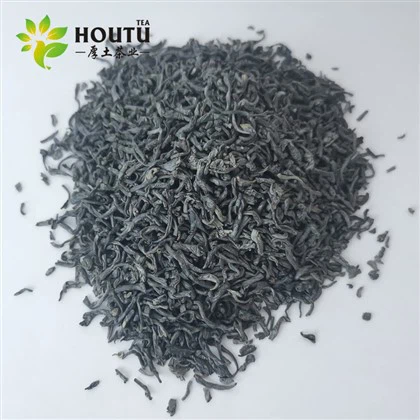
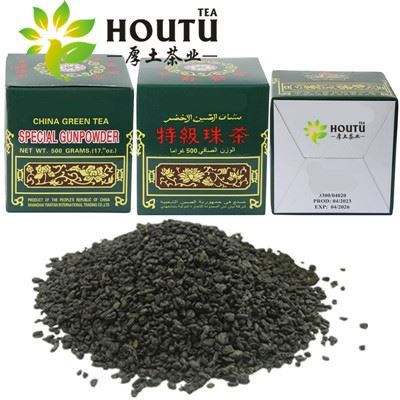
Illustrative HOUTU TEA image: tea grades, leaf appearance and product specification.

A high district average is not automatically a high margin for a grower or a superior tea for an importer. It can reflect scarcity or a different product mix. Conversely, a low average does not guarantee an export bargain after manufacturing, sorting, testing, packing, finance and freight are added.

From crop data to a buying rule

Importers should treat district data as a sourcing diagnostic. If a supplier's price sits far from the local signal, ask why. The explanation may be a better grade, old stock, a different route or an error. The objective is traceability of the commercial story, not forcing every offer to match a public average.

Next origin signals

August district averages after the monsoon period.
Districts where prices move sharply without a clear crop reason.

Four controls for the next lot

Record district and factory when available.
Separate green-leaf economics from made-tea quotation.
Ask for manufacture date and sales channel.
Use the table to ask questions, not to set a universal price.
Crop-data caution: Bought-leaf factory averages are not export prices and do not adjust for grade or quality.
What this can look like in a real order

An exporter offers tea from a district with a low average, but the finished product price is higher than expected. The buyer requests the grade split, sorting loss, testing and packing basis. If those factors are documented and the cup performs, the difference may be legitimate; if not, the quotation needs revision.

Discuss the commercial response with HOUTU TEA
Sophie can help separate raw-leaf signals from the cost of a finished export product.
Source basis: Tea Board India. HOUTU TEA summarises the public information and adds commercial interpretation for international tea buyers. View the original source.
Send Inquiry
Contact us if have any question

You can either contact us via phone, email or online form below. Our specialist will contact you back shortly.

Contact now!