The contrast is valuable because procurement plans often rely on the last full fiscal year. A strong completed year may reflect earlier crop, inventory release or demand conditions that no longer apply. Current-period data deserve greater weight for near-term buying.
For importers managing cash carefully, the answer is not necessarily larger inventory. Better tools are staged contracts, shipment call-offs and approved alternates that preserve continuity without locking all working capital at one market point.
Buyers should separate strategic origin capacity from present shipment momentum. India remains a large exporter, but the latest four-month flow indicates less volume than a year earlier. Contracts should include realistic shipment windows and evidence of allocated stock.
- Update forecasts with current-period data
- Request stock allocation in writing
- Use call-off windows where possible
- Review working-capital cost with freight
Market statistics should guide questions, timing and risk controls; they should not be copied into a contract as though they were live quotations. Grade, moisture, packing, inspection, payment, freight, duty and local delivery must be normalised before comparing suppliers.
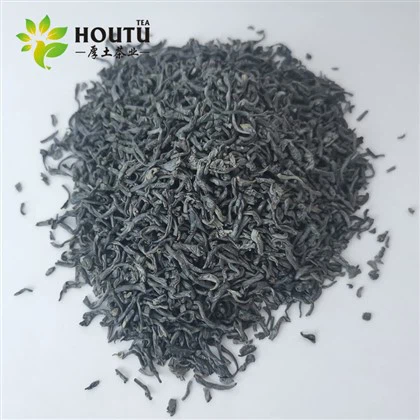
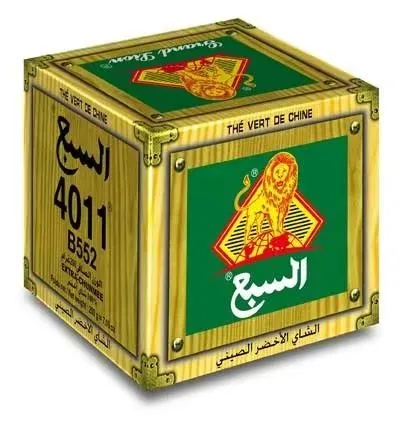
Before approval, the buyer should save the offered specification, reference sample, laboratory scope, packing configuration and freight validity in one comparison record. This turns a news signal into an auditable purchase decision and prevents later changes from being mistaken for the original offer.
For specification matching, samples, private-label packing and shipment planning, contact Sophie at jessie@hoututea.com or WhatsApp +86 18888798057.