Africa-market relevance
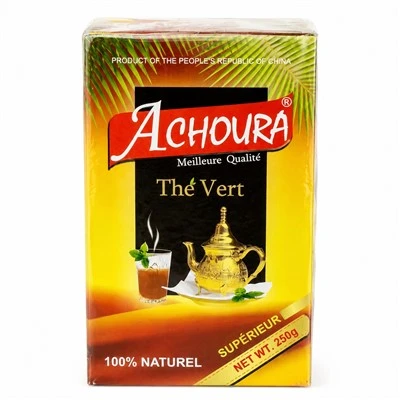
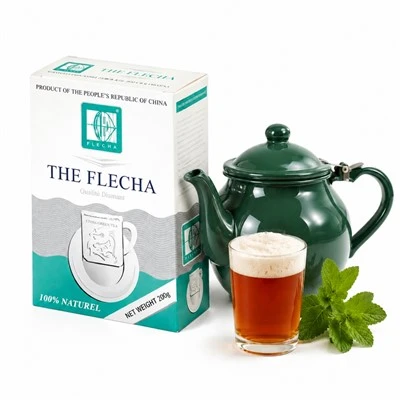
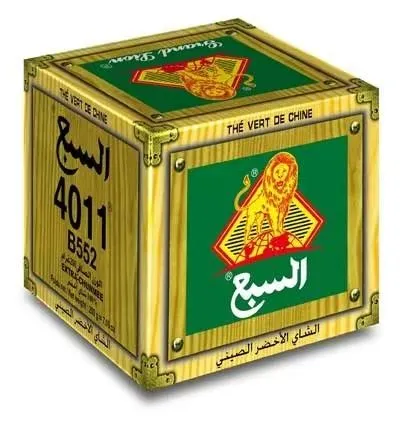
A private-label buyer should compare at least three configurations: fully packed at origin, bulk shipped for destination packing, and a hybrid with locally available materials. Each needs a landed-cost and quality model, including waste, minimum runs, stock exposure and label compliance.
|
KEY SIGNAL
Import duty cited: 35%
|
KEY SIGNAL
Excise cited: 25%
|
KEY SIGNAL
IDF 3.5% + RDL 1.5% + VAT 16% cited
|

How the market map is changing
Packaging is not a minor accessory in branded tea. Barrier performance, food-contact compliance, print quality, machine compatibility and pack size all influence shelf life and consumer acceptance. When suitable local material is unavailable, stacked import charges can shift value addition away from the origin or force compromises in specification.
The percentages should not simply be added to estimate final cost because the tax base, recoverability and exemptions can differ. What is clear is that packaging policy can determine whether exporters sell bulk tea or finished retail products. Proposed zero-rating or remission rules will matter only when eligibility and administration are usable.
Map updates to monitor
Four moves for distributors
A brand assumes origin packing is always cheaper because labour costs are lower. A comparison shows that imported laminate charges and small print runs outweigh the labour saving. It ships bulk tea for one market while retaining origin packs for another with sufficient volume.