November 17, 2026
The global tea market continues to offer significant opportunities for importers, distributors, private-label brands and foodservice buyers. At the same time, the market is becoming more selective: reliable specifications, traceable supply, suitable packaging and clear product positioning are increasingly important in B2B purchasing decisions.
According to data cited in The Global Tea Report 2024, world tea production reached 6.604 million metric tonnes in 2023, up about 2% year on year. Apparent global tea consumption was reported at 6.212 million tonnes, leaving a supply-demand gap of approximately 392,000 tonnes.
For professional buyers, this gap is an important reminder that product availability alone is no longer enough. In a market with broad supply, suppliers need to help buyers identify the right grade, flavor profile, packaging format and commercial terms for their target market.
China Remains Central to Global Tea Supply
China remained the world's largest tea producer in 2023, producing approximately 3.181 million tonnes, or around 49% of global tea output, according to the International Tea Committee data cited by Tea & Coffee Trade Journal.
India was the second-largest producer at 1.365 million tonnes, followed by major tea-producing countries including Kenya, Sri Lanka, Turkey, Vietnam and Indonesia.
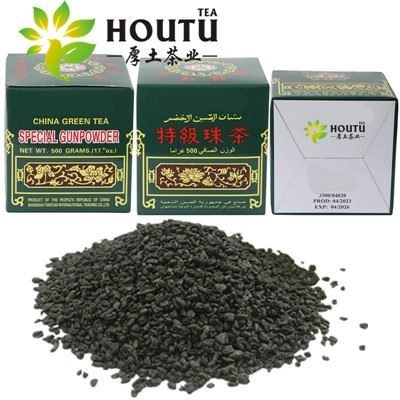
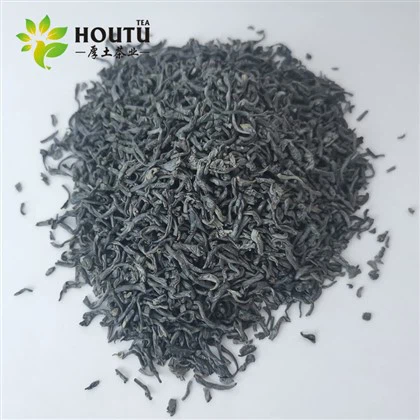
This production structure gives international buyers access to a broad range of tea styles and grades. For green tea buyers, product selection may include Chunmee tea, Gunpowder tea, jasmine green tea and other loose-leaf or packaged formats. However, buyers should evaluate more than origin alone. Key sourcing questions include:
Is the tea grade clearly defined?
Does the product specification match the intended market?
Are packaging options suitable for retail, foodservice or bulk distribution?
Are MOQ, lead time and shipment terms practical for the purchasing plan?
Can the supplier provide consistent documentation and quality information when required?
Export Markets Face a More Complex Trading Environment
Tea is produced globally, but only part of that output enters international trade. The 2024 industry report noted that global tea exports reached approximately 1.655 million tonnes in 2023, representing about 26.3% of world tea production.
The report also highlighted softer import volumes in several major tea-consuming regions during 2023. African tea imports were reported at 344,235 tonnes, down 7% from the previous year. Morocco, an important green tea market, imported approximately 60,000 tonnes, down 27% year on year according to the same source.
These figures do not mean that demand has disappeared. Instead, they show why suppliers and buyers need a more focused approach. In a changing market, broad and generic product listings may struggle to convert. Buyers increasingly need products designed for a clear purpose, such as:
Bulk loose-leaf tea for distributors and blending operations
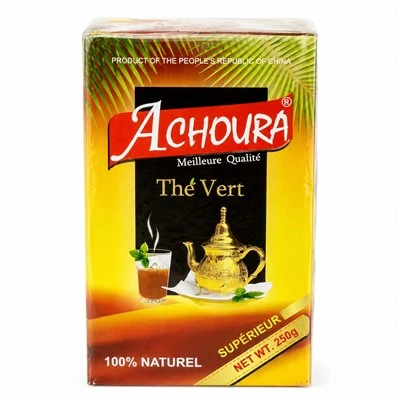
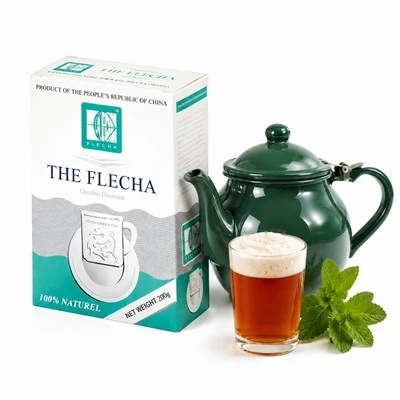
Retail box packaging for supermarkets and specialty stores
OEM or private-label tea for local brands
Market-specific grades matched to local taste preferences
Tea for foodservice, cafés and beverage applications
Product Fit Matters More Than Generic Claims
For B2B tea buyers, a well-structured sourcing process can reduce unnecessary back-and-forth and improve purchasing accuracy.
A product listing should clearly communicate the tea type, grade, origin, packing format and intended commercial use. For example, a buyer sourcing Chunmee green tea for a North African distributor may need different specifications from a buyer sourcing jasmine green tea for a supermarket or milk-tea business.
Clear product positioning can help buyers compare offers more efficiently. Instead of relying on broad descriptions such as "best quality" or "healthy tea," suppliers can provide practical information, including:
Tea grade and appearance
Flavor profile and brewing characteristics
Net weight and packaging options
Bulk, carton or retail-box formats
Minimum order quantity
Private-label or OEM availability
Storage guidance and shelf-life information
Sample and quotation process
This type of information supports better procurement decisions and can help reduce the risk of mismatch between a product and its destination market.
Traceability and Documentation Remain Important
Sustainability, traceability and supply-chain resilience continue to be important subjects across the tea industry. The International Institute for Sustainable Development notes that tea is cultivated in more than 60 countries and remains a major source of income for millions of smallholder farmers.
For international buyers, responsible sourcing also means asking practical questions before confirming an order. Depending on the destination market and product category, buyers may need to review available documentation related to product specifications, pesticide-residue requirements, packaging, labeling and export procedures.
Suppliers should communicate only what they can verify. Claims related to organic certification, pesticide compliance, health benefits, certifications or origin should be supported by applicable documents and should match the specific product being offered.
Looking Ahead: From Volume to Better-Matched Tea Supply
The global tea industry is moving toward a more segmented market. Buyers are not simply looking for more tea; they are looking for tea that fits a specific customer group, retail channel, packaging concept and price range.
For importers and distributors, the most effective sourcing strategy is to define requirements before requesting quotations:
Select the target tea type and grade.
Confirm the target market and consumer preference.
Choose a suitable packaging format.
Define expected purchasing volume and destination port.
Request product specifications, quotation terms and sample options.
As the tea market evolves, successful B2B partnerships will depend on consistency, transparent communication and a practical understanding of buyer requirements.
For buyers seeking Chunmee green tea, Gunpowder tea, jasmine green tea or customized tea packaging, a detailed inquiry including tea grade, quantity, preferred packaging and destination port can help suppliers provide a more accurate quotation and lead-time estimate.
Contact Us for Tea Sourcing and Customized Packaging
Looking for a reliable tea supplier for your market?
Our team supports B2B buyers, importers, distributors and private-label brands with product information and quotation support for:
Chunmee Green Tea
Gunpowder Green Tea
Jasmine Green Tea
Loose-leaf tea and bulk packaging
Retail box packaging and customized OEM packaging
To receive an accurate quotation, please share your required tea grade, order quantity, preferred packaging, destination market and port of discharge.
Contact us today to discuss your tea sourcing requirements and request product specifications.
[Contact Us:https://www.hoututea.com] | [Request a Quote:http://carrie@hoututea.com]