In early July 2026, global FMCG giant Unilever completed the sale of its entire tea division Ekaterra-home to Lipton and 33 other tea brands-to European private equity firm CVC Capital Partners for €4.5 billion. Regarded as a "landmark deal" in the industry, this move marks the end of an era.

1. Background: "70,000 Chinese Tea Enterprises Could Not Compete with One Lipton"
Founded in the UK, Lipton entered China in 1992. With its standardized CTC fanning tea, industrial tea bags, and consistent global flavor, it dominated China's tea bag market for decades, peaking at 5 billion bags sold annually. For years, the total annual revenue of China's 70,000+ tea businesses barely matched Lipton's global sales, reflecting the industry's long-standing challenge: strong categories, weak global brands.
2. Why the Sale: Stagnant Growth, Squeezed Margins, Shifting Tastes
The divestment was no accident:
Long-term decline: Global sales have fallen since 2014, with traditional black tea shrinking in Western markets for a decade;
Profit pressure: Intense competition, rising costs, and thin margins turned tea bags into a low-growth asset;
Changing preferences: Young consumers reject cheap fannings, opting for coffee, herbal tea, ready-to-drink beverages, and premium whole-leaf tea;
Strategic shift: Unilever prioritizes beauty, personal care, and high-margin functional foods.
3. Key Industry Signal: The Market Is Reshuffling
The Lipton deal sends a clear message: the era of cheap, standardized tea bags is over. Global demand is rapidly shifting toward:
✅ Premium whole-leaf tea (origin-focused, artisanal, complex flavor)
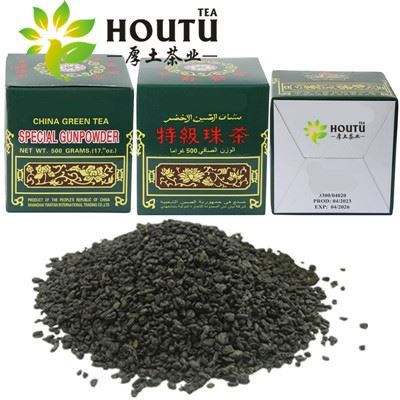
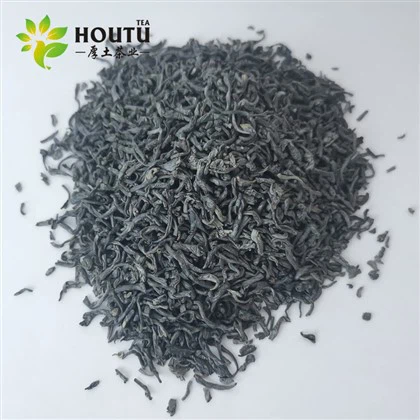
✅ Specialty green tea (e.g., Chunmee, Gunpowder, Young Hyson - aromatic, distinctive, healthy)
✅ Matcha & value-added tea (for beverages, baking, and wellness)
✅ Cold-brew & ready-to-drink tea (convenient, low-sugar, youth-focused)
4. What It Means for Chinese Tea Exporters
Instead of celebrating Lipton's decline, Chinese producers should seize the moment:
Move beyond bulk OEM: Shift to branded, premium, and specialty offerings;
Leverage green tea strengths: Highlight China's advantage in aroma, taste, and health benefits;
Expand into deep processing: Matcha, whole-leaf tea bags, and cold-brew formats offer higher margins;
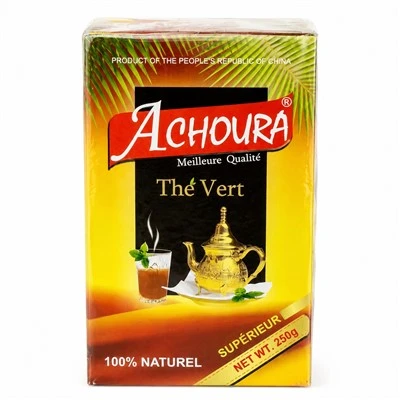
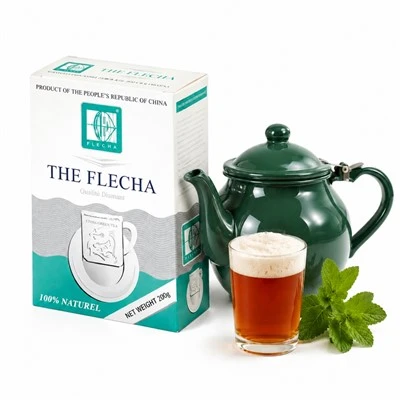
Target growth markets: North Africa, Central Asia, and Russia show rising demand for quality green tea.