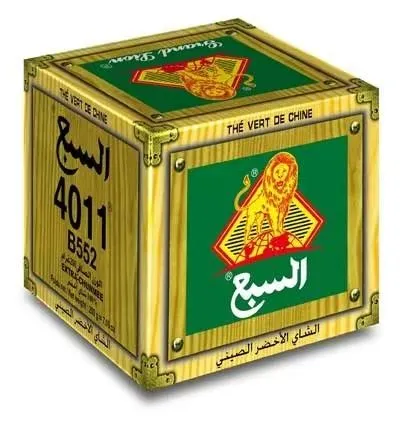
1. Global Tea Export Market Continues to Expand
Global tea exports are projected to maintain steady growth in 2026, driven by expanding consumption in developing economies and premiumization trends in developed markets. The international tea market now exceeds USD 60 billion, with green tea, black tea, herbal blends, and ready-to-drink products all contributing to increased trade volumes.
| Key Indicator | 2026 Trend |
|---|---|
| Global Market Value | USD 60+ Billion |
| Leading Exporter | China |
| Key Growth Regions | Africa, Middle East, Central Asia |
Bulk tea remains essential for many traditional import markets, but exporters are increasingly shifting toward branded small-pack solutions, private label opportunities, and specialized market positioning.
2. Africa and Middle East Demand Evolution
Africa and the Middle East remain some of the most critical global tea import regions, but buyer preferences are evolving significantly:
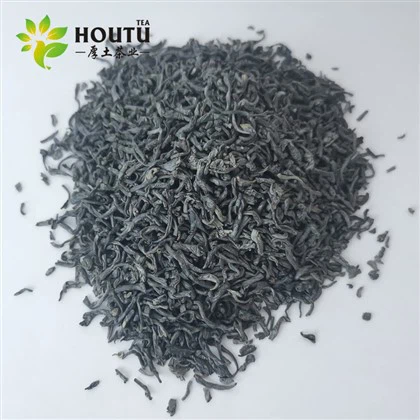
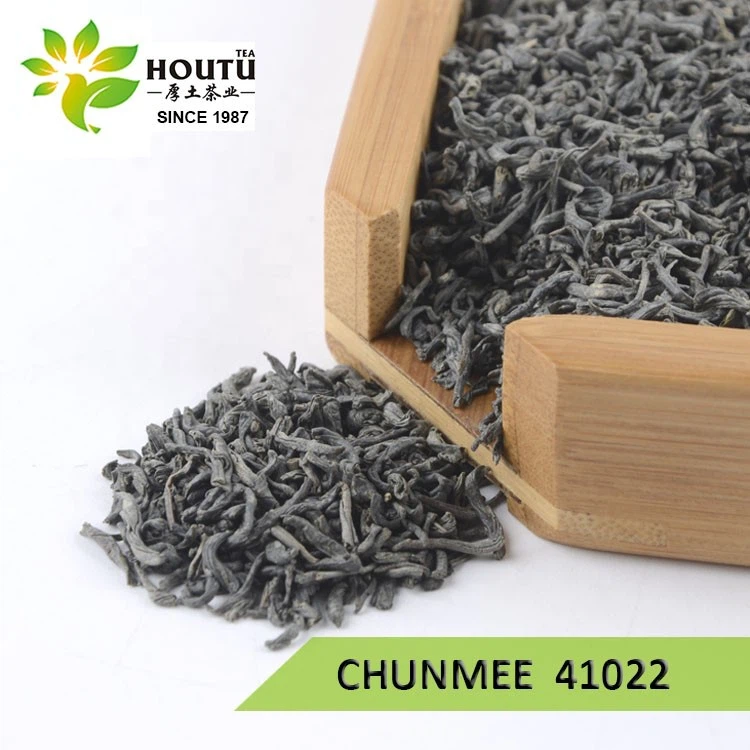
- West Africa: Continued strong demand for Chunmee tea, especially 41022 and 8147 grades, with emphasis on affordability and strong flavor.
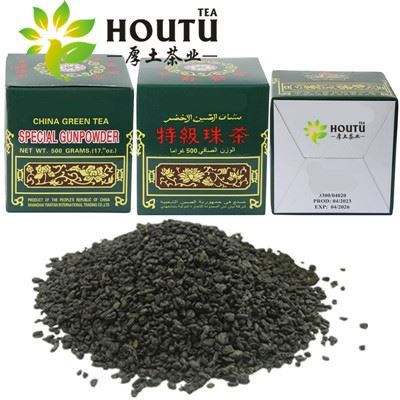
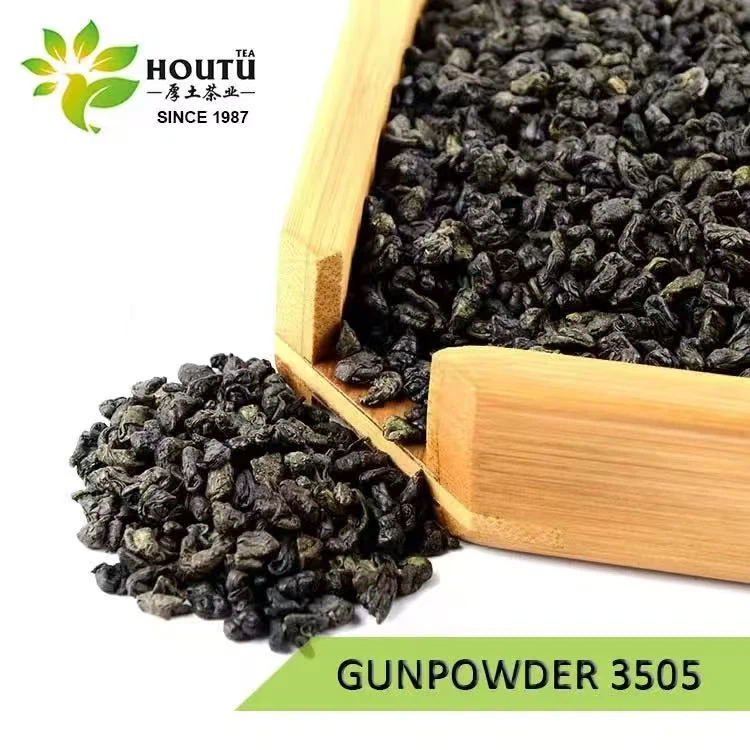
- North Africa: Gunpowder tea and roasted Chunmee remain dominant, with Morocco, Libya, and Algeria demanding stable quality and competitive pricing.
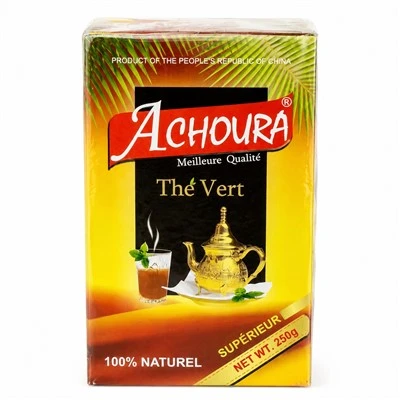
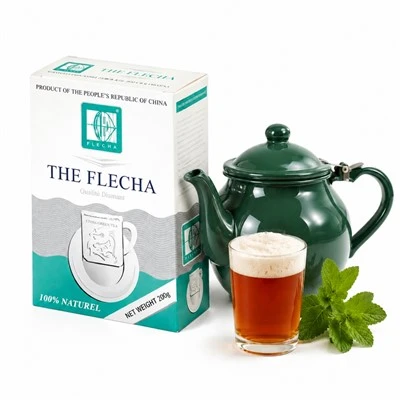
- Middle East: Increasing growth in flavored teas, tea bags, OEM retail brands, and premium packaging.
Importers are no longer focused solely on low cost.
More buyers now prioritize:
Reliable long-term supply
Custom packaging flexibility
Stable product consistency
Faster shipping response
Private label/OEM capabilities
3. Shipping Costs Continue to Pressure Exporters
Global shipping remains one of the largest challenges for tea exporters in 2026. Fluctuating freight rates, geopolitical instability, and port congestion continue to affect margins.
For many exporters, shipping costs have become a strategic pricing factor, especially for lower-margin bulk shipments.
Export success in 2026 depends on controlling logistics risk as much as controlling product quality.
As a result, many suppliers are:
- Prioritizing higher-margin packaged tea products
- Optimizing container loading efficiency
- Expanding FOB and CIF flexibility
- Strengthening partnerships near major ports

4. China's Supply Chain Advantage Remains Strong
Despite global pressures, China continues to dominate tea exports through:
- Massive production capacity
- Stable raw material sourcing
- Flexible OEM packaging
- Competitive labor efficiency
- Advanced small-pack manufacturing
- Port access via Ningbo, Shanghai, and Yiwu logistics networks
Chinese exporters that combine stable quality with market-specific customization maintain significant competitive advantages over fragmented regional suppliers.

5. New Market Opportunities for Strategic Exporters
Several new opportunities are emerging:
- Private label supermarket brands in Africa
- Functional wellness tea in Europe
- Flavored tea bags in the Middle East
- Organic and compliance-certified tea in North America
- Mid-tier premiumization in developing economies
Exporters who combine market knowledge with packaging innovation are increasingly positioned to capture these higher-margin channels.

Why Shengzhou Houtu Tea Stands Out
As global tea buyers seek reliable partners in uncertain markets, Shengzhou Houtu Tea Co., Ltd. continues to offer:
- Stable long-term green tea supply
- Chunmee and Gunpowder specialization
- OEM and private label packaging solutions
- Flexible export support for Africa, Middle East, and Europe
- Fast logistics access through China's major export hubs
With over three decades of export expertise, Houtu Tea helps importers reduce sourcing risk while building sustainable market growth.
Conclusion
In 2026, global tea exports are no longer just about volume - they are about supply chain strength, market-specific adaptation, and long-term brand positioning.
Rising demand continues to create opportunity, but only exporters who can balance quality, logistics, and customization will lead the next generation of international tea trade.