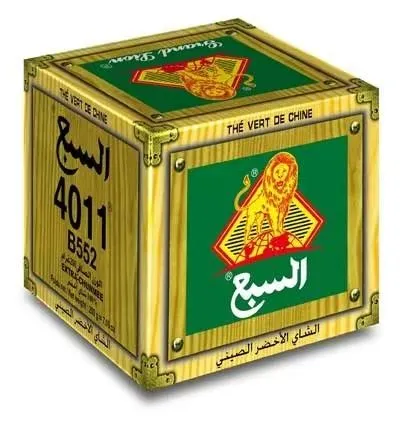
The EU Rapid Alert System for Food and Feed (RASFF) issued several non-compliance notifications on imported green tea between April and July 2026. Border inspections in the Netherlands, Poland and France detected excessive pesticide residues, including thiamethoxam, perchlorate and propamocarb. Affected batches were detained or destroyed upon arrival, causing heavy financial losses for both tea exporters and overseas importers.
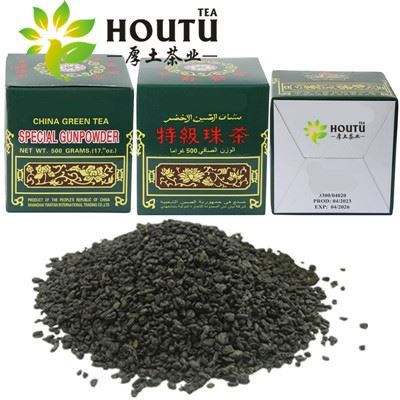
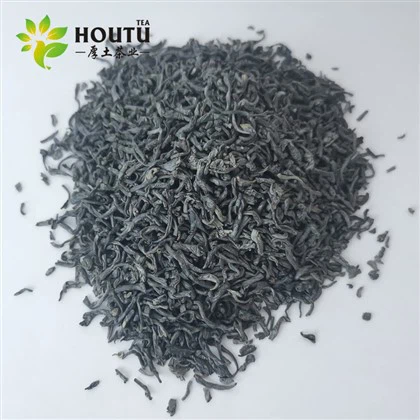
Tighter EU MRL rules, paired with China's updated GB2763-2026 standard effective March 1, raise the compliance bar for bulk green tea trade. Zhejiang tea manufacturers, major suppliers of Gunpowder and Chunmee green tea, are upgrading farm management systems to respond. Many large export factories have expanded certified ecological tea gardens and adopted physical pest traps instead of heavy chemical pesticides.
In May, the Ministry of Agriculture and General Administration of Customs co-hosted a standard interpretation workshop in Hangzhou. More than 150 tea exporters attended the session to compare GB2763-2026 limits with EU pesticide requirements, helping factories identify hidden risks before shipment.
On May 20, 2026, the Department of Agricultural Product Quality and Safety Supervision of the Ministry of Agriculture and Rural Affairs, together with the General Administration of Customs Import and Export Food Safety Bureau, hosted a tea export standard briefing event in Hangzhou, Zhejiang. Nearly 200 representatives from more than 150 national tea export enterprises attended. For the first time, Taiwan tea manufacturers and traders based in mainland China joined the workshop online.
Tailored to the needs of tea exporters, authoritative experts delivered lectures covering comparisons of tea import and export quality safety standards, updates on GB 2763-2026 maximum pesticide residue limits, export quality supervision, and international trade notifications. Representatives from Zhejiang Provincial Department of Agriculture and Rural Affairs, Hefeng County in Hubei Province and leading tea exporters shared practical experience on quality control for export tea.

Centered on the theme "Align with international standards, build solid quality safeguards, boost export efficiency", the event created an efficient communication platform for regulators, research institutions and tea enterprises. It helps exporters keep track of evolving global standards, accelerates the green transformation of China's tea sector, strengthens the competitiveness of Chinese tea worldwide, facilitates tea exports, and increases agricultural and farmers' income.
Participants praised the timely, highly targeted training. Case studies on quality control were practical and down-to-earth. Attendees appreciated the integrated format combining standard interpretation and green production technologies, and called for regular regional sessions in the future.
Hosted by the Tea Research Institute of Chinese Academy of Agricultural Sciences, the event was organized by the Tea Quality Inspection and Testing Center, State Key Laboratory of Tea Quality and Safety Control, Tea Product Risk Assessment Laboratory and Zhejiang Chamber of Commerce International Trade Early Warning Point for Tea. Support was provided by Hangzhou Customs and China Chamber of Commerce for Import and Export of Light Industrial Products and Arts-Crafts.
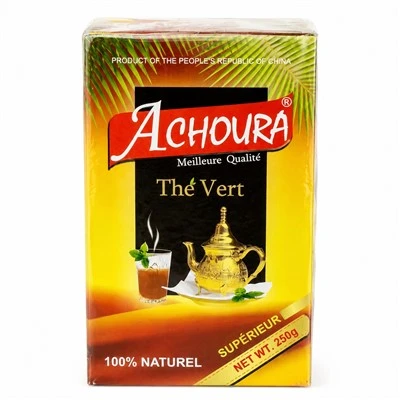
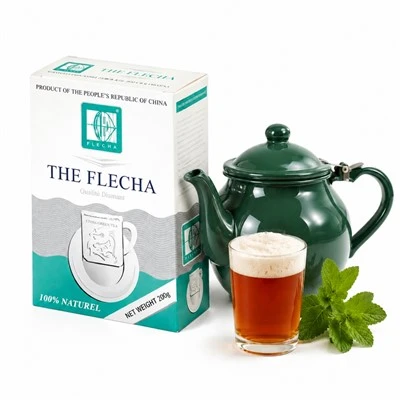
For green tea importers sourcing Gunpowder and Chunmee, pre-shipment third-party lab testing is now essential. Reliable suppliers implement full traceability from fresh leaf harvesting to finished tea blending, reducing chances of cargo hold-up at European ports. Stable, compliant bulk tea supply chains become a key competitive advantage in global green tea wholesale markets.