Where the value chain is exposed
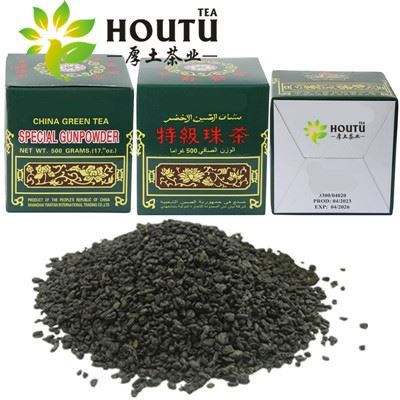
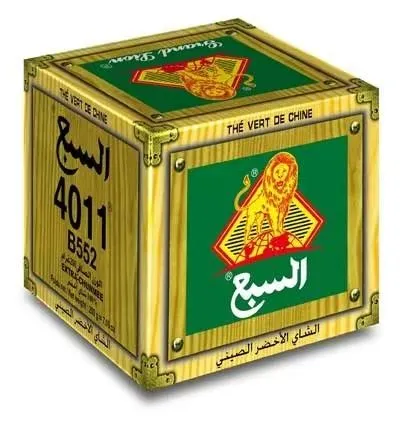
CTC's 87.6% share explains why India's national crop signal is primarily a black-tea blending and tea-bag signal. Orthodox accounted for about 10.9% and green tea about 1.5%. A buyer sourcing a niche green or orthodox specification should not assume that the large total crop creates equally deep availability in those categories.
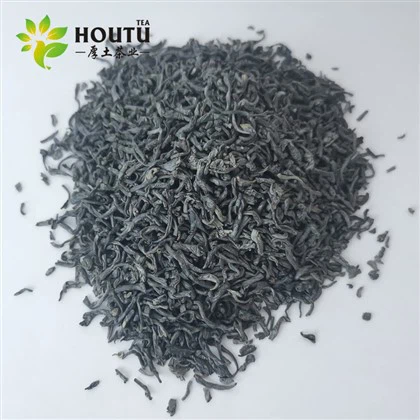
The production mix also clarifies competitive positioning. CTC is designed for rapid infusion, colour and strength, while orthodox and green teas compete through different leaf appearance, aroma and processing stories. Price per kilogram alone cannot compare their beverage yield or consumer role.
Buyer leverage and responsibility
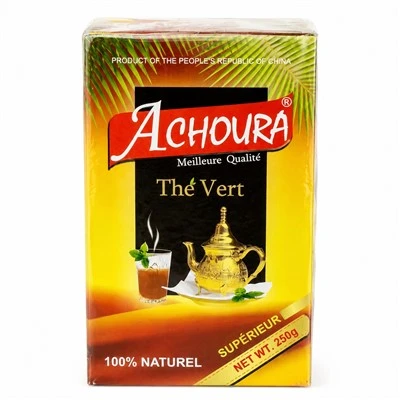
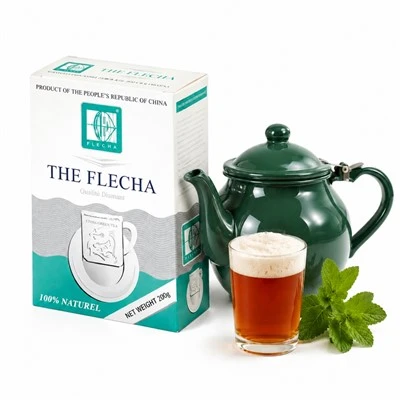
West African buyers adding black tea beside Chinese green tea should define whether the application is a tea bag, a milk-tea blend or loose leaf. The CTC grade, dose and pack barrier need to be selected together. A strong cup at a lower dose can outperform a cheaper tea that requires more grams.
Reduce the execution risk
|
KEY SIGNAL
CTC: 140.48 million kg
|
KEY SIGNAL
Orthodox: 17.53 million kg
|
KEY SIGNAL
Green tea: 2.42 million kg
|
What determines recovery
Two CTC samples differ by only a few cents per kilogram, but one reaches the target colour at 2.0 grams while the other needs 2.4 grams. The buyer calculates servings per carton and discovers that the nominally higher-priced tea creates the lower beverage cost.