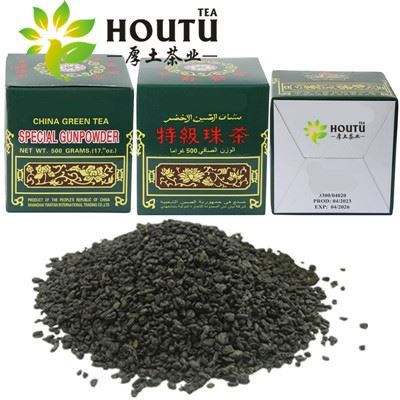
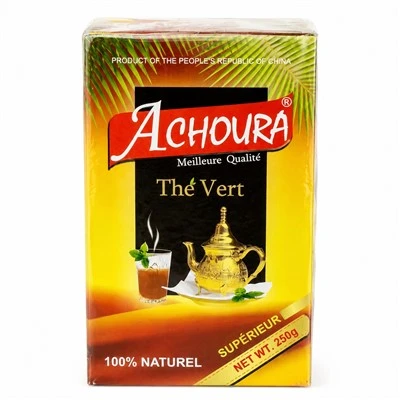
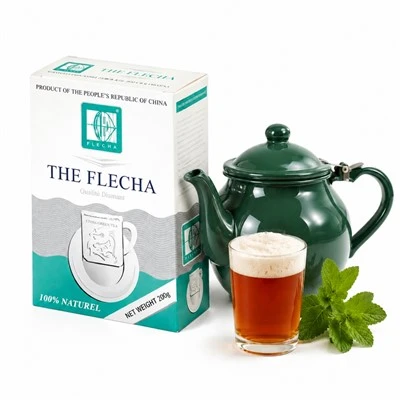
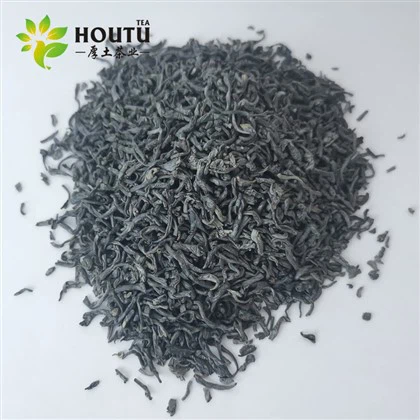
For export programmes, prompt inspection and documentation matter because re-offered teas age while waiting. Moisture, odour and storage conditions should be confirmed.
The divergence shows seller expectations and buyer appetite were not uniform. A high supplementary unsold share can signal quality mismatch, reserve prices or timing; it should not automatically be labelled excess stock.
- Ask why the lot was withdrawn
- Check storage and manufacture date
- Compare leaf and dust demand separately
- Use sold ratio with quality data
Buyers can use withdrawal information to judge negotiating leverage, but should inspect why a lot failed to sell. Re-offered tea may be attractive, or it may carry a specification problem the average does not reveal.
Market statistics should guide questions, timing and risk controls; they should not be copied into a contract as though they were live quotations. Grade, moisture, packing, inspection, payment, freight, duty and local delivery must be normalised before comparing suppliers.
Before approval, the buyer should save the offered specification, reference sample, laboratory scope, packing configuration and freight validity in one comparison record. This turns a news signal into an auditable purchase decision and prevents later changes from being mistaken for the original offer.
For specification matching, samples, private-label packing and shipment planning, contact Sophie at jessie@hoututea.com or WhatsApp +86 18888798057.