| Market indicator | New consumption occasions support value growth |
| Operational indicator | Tea foods and modern drinks require different raw-material specifications |
| Decision indicator | Brand story and service can raise value without changing the core leaf |
What the evidence says
Traditional loose tea remains important, but it competes for attention with coffee, soft drinks, energy beverages and many convenience products. New tea formats lower the preparation barrier and place tea in cafés, hotels, desserts, gifting and social-media-friendly experiences. This broadens the customer base but also changes what buyers need from the raw material.
A tea designed for boiling with sugar is different from one used in a clear bottled drink or a bakery powder. Colour stability, particle size, extraction, bitterness and aroma all need to be matched to the application. Product innovation therefore starts with a clear use case, not a fashionable label.
What the evidence does not say
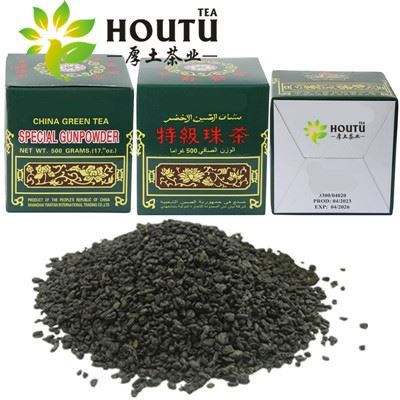
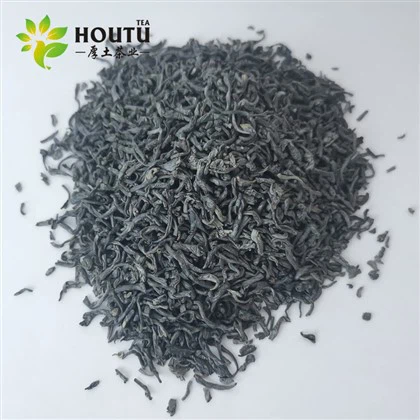
For importers, the opportunity is to build a portfolio rather than force one tea into every channel. Traditional Chunmee can serve social preparation; jasmine tea can serve hospitality; tea bags can serve offices; and powdered or flavoured products can test modern retail. Each product needs its own price, package and consumer explanation.
How to use it in West Africa
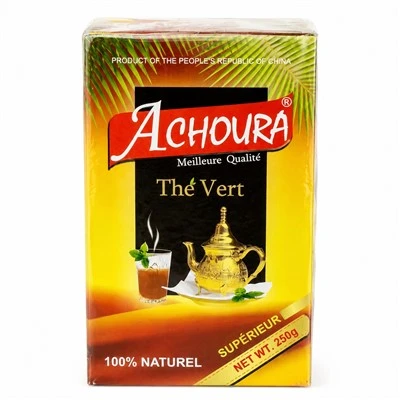
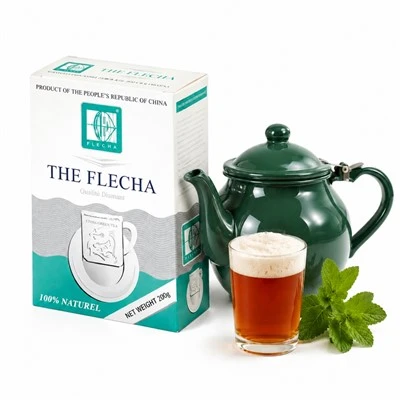
West Africa already has strong tea culture, which is an advantage. Innovation should respect that culture rather than replace it. Small packs, mint-compatible products, convenient serving formats and gift sets can create additional occasions while keeping the familiar taste at the centre.
The strongest new products will be those that solve a real consumer problem-convenience, affordability, gifting or consistency-rather than copying a trend from another region without local testing.
The practical value of this development lies in connecting New consumption occasions support value growth with Tea foods and modern drinks require different raw-material specifications. A buyer should not react to the headline alone. The useful response is to identify which part of the current specification, contract, stock plan or packaging programme is genuinely exposed, and which part remains stable.
Before changing a supplier or grade, the purchasing team should define the consumption occasion before choosing the tea. and test new formats with a limited channel and clear retail price.. The decision should then be reviewed against the next market update: The strongest new products will be those that solve a real consumer problem-convenience, affordability, gifting or consistency-rather than copying a trend from another region without local testing. This approach keeps market intelligence connected to cup quality, cash flow, compliance and repeat sales rather than turning every new report into an unnecessary purchasing change. It also gives sales teams a clearer explanation for distributors: what has changed, what has not changed, and why the proposed tea, pack or delivery plan remains commercially sensible.