China’s July Tea Imports Drop 42.6%, With Black Tea Still 86% Of Inbound Volume

Aug 24, 2026

Leave a message

Sophia Xu
Sophia Xu
Sophia is an experienced tea taster at Shengzhou Houtu Tea Co., Ltd. She has a sharp palate and can accurately evaluate the taste and quality of various green teas, providing valuable opinions for the company's production.
AUCTION SIGNAL ROOM · GLOBAL TEA NEWS 148
China's July Tea Imports Drop 42.6%, with Black Tea Still 86% of Inbound Volume
China Customs data via Foodmate · Source date: 2026-08-21
KEY SIGNAL
3,444.86 tonnes imported
KEY SIGNAL
US$11.62 million import value
KEY SIGNAL
2,966.83 tonnes were black tea
China imported 3,444.86 tonnes of tea worth US$11.62 million in July 2026, down 42.6% and 35.9% respectively; black tea supplied 2,966.83 tonnes, about 86% of the total.
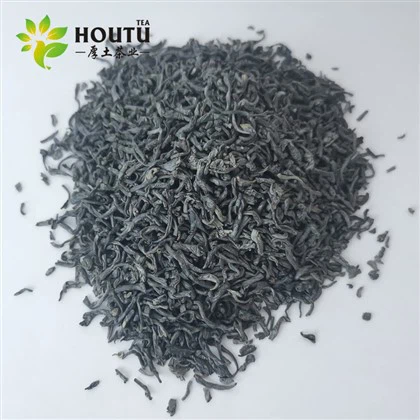
Illustrative HOUTU TEA image: tea logistics, container planning and shipment control.

Inside the market signal

China's import side is much smaller than its export side and is concentrated in black tea. The sharp July contraction can signal softer inbound demand, shipment timing or inventory adjustment. It should not be read as proof that Chinese consumers abandoned imported tea, but it does indicate a weaker monthly intake across every reported tea category.

For global black-tea sellers, a large import-market reduction can redirect offers toward other destinations. For Chinese exporters and West African buyers, that matters indirectly: additional black-tea availability may change blend economics, while domestic processors may become more selective about imported inputs.

How a buyer can respond

West African buyers evaluating black tea should monitor multiple origins rather than assume China's import contraction has no relevance. When a destination buys less, sellers may seek alternative markets, but the resulting offers still need residue, cup, grade and shipment checks. A displaced lot is not automatically a bargain.

The next two signals

China's black-tea imports in August and September.
Whether redirected supply appears in other auction or private-sale markets.

Auction-to-order checklist

Ask why an unusually aggressive black-tea offer is available.
Verify origin, crop, grade and storage history.
Cup the tea at the intended dose and water profile.
Compare delivered economics with established East African and Asian routes.
Benchmark limit: The data identify customs imports, not domestic consumption. Inventory changes and shipment timing can create large monthly swings.
What this can look like in a real order

A trader offers an unusually low-priced black tea after a destination slows buying. The importer requests the warehouse date, full residue panel and a representative sample, then compares cup yield per gram with a regular origin. The decision is based on saleable performance and risk, not the story attached to the discount.

Discuss the commercial response with HOUTU TEA
Sophie can help compare Chinese and non-Chinese black-tea options against a defined cup target.
Source basis: China Customs data via Foodmate. HOUTU TEA summarises the public information and adds commercial interpretation for international tea buyers. View the original source.
Send Inquiry
Contact us if have any question

You can either contact us via phone, email or online form below. Our specialist will contact you back shortly.

Contact now!